


Listen to the article
In a revealing exchange that sheds light on the evolution of modern information warfare, propaganda expert and faculty fellow Nicholas J. Cull has provided insights into how nations wielded communication strategies across two world wars. The conversation, adapted from Cull’s dialogue with a high school student, offers a comprehensive examination of how propaganda transformed from World War I to World War II and beyond.
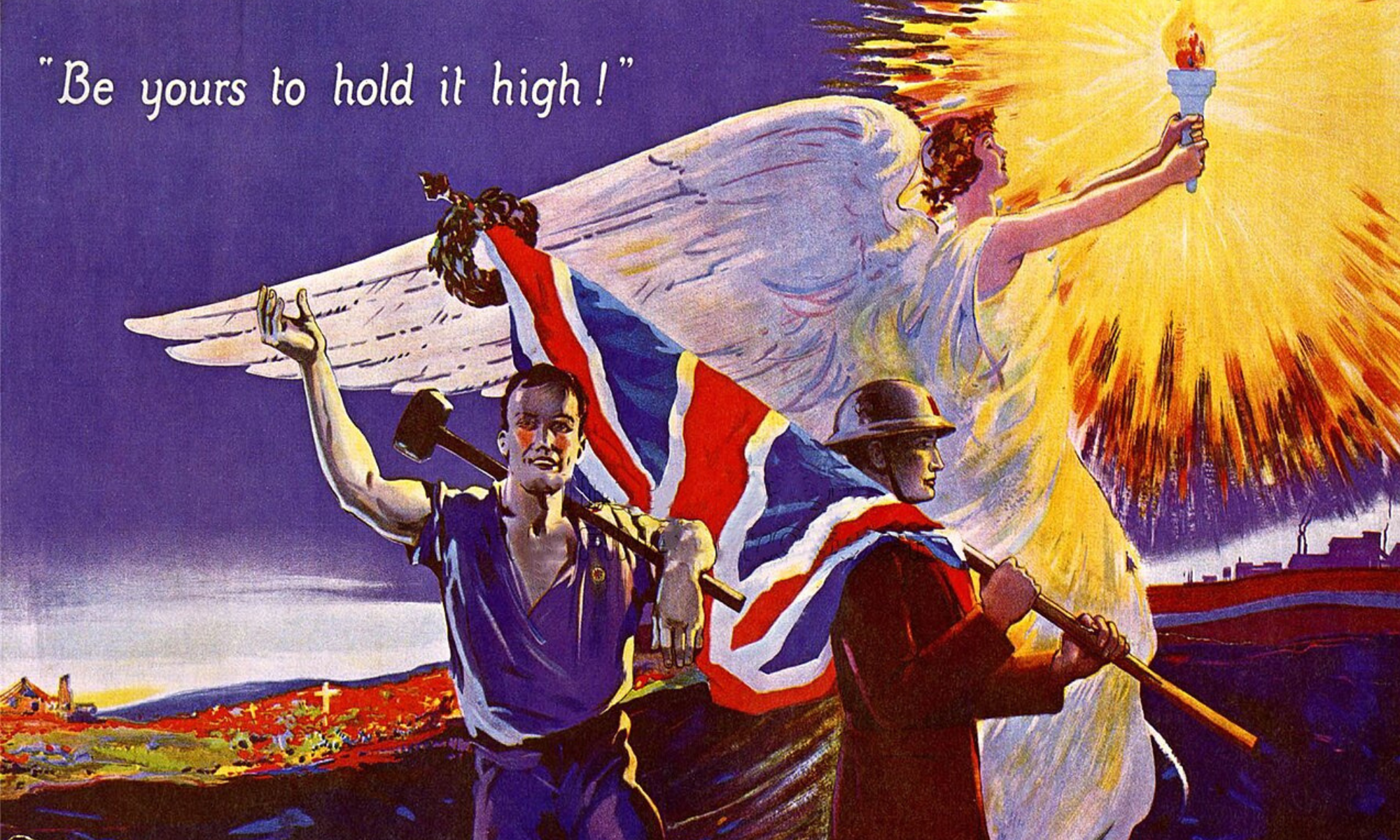
World War I fundamentally established propaganda as a critical component of modern warfare. The Allied powers attributed part of their victory to effective communication strategies, while the Central Powers viewed propaganda failures as contributing to their defeat.
Britain’s approach evolved significantly during the interwar period. By the 1930s, British strategists had developed a sophisticated method centered on subtlety and factual presentation rather than heavy-handed messaging. Prior to America’s entry into World War II, British officials publicly declared they would conduct no propaganda in the United States while simultaneously providing American journalists privileged access to war coverage. This strategy allowed American media to naturally develop sympathetic perspectives through first-hand exposure to British experiences.
Germany, in contrast, doubled down on distortion tactics and embraced what Cull describes as “the big lie.” While this approach initially helped build an impression of Nazi strength and capability, it proved less effective for maintaining global opinion over time.
The interwar period saw technological revolutions that transformed propaganda delivery. Radio emerged as a particularly potent medium that audiences had not yet developed defenses against—similar to how AI deepfakes challenge contemporary media consumers. The United States remained an outlier by not launching government radio until 1942, while most major powers and even the Vatican had established international broadcasting by the early 1930s.
“It was a revolution in international communication. Borders could be transcended. Enemies were speaking directly to publics and seeking to break their confidence,” Cull notes. These technological advances—radio, talking movies, and photo magazines—allowed regimes in the Soviet Union, Italy, Japan, and Germany to create “sealed off artificial reality” around their leaders and ideologies.
When examining opposing nations’ propaganda techniques, Cull identifies significant differences. The Nazi “big lie” strategy had few parallels in American or British approaches, though Soviet propaganda employed similar large-scale deceptions, such as denying the Katyn massacre of Polish officers. One notable distinction was how fascist regimes normalized warfare in their communications, presenting it routinely like sports or weather reports, while American and British messaging framed war as an aberration.
Organizational structure significantly impacted propaganda effectiveness. Germany’s centralized system initially provided advantages in quickly disseminating visually impressive content from the front lines to newspapers. However, this vertical integration became a liability as the war progressed, with Joseph Goebbels’ increasingly counterproductive messaging.
Contrary to the assumption that Western propaganda emphasized entertainment while Axis powers focused on serious messaging, Cull points out that “Germany also learned the value of distraction and escapism in propaganda to its own people. The most successful Nazi-era films were musicals or escapist, not by Leni Riefenstahl.”
Britain demonstrated unique nuance in enemy portrayal, intentionally limiting demonization. Some British wartime films featured sympathetic German characters, and the country continued public performances of German cultural works, including Beethoven concerts.
Many World War II propaganda techniques persist in modern persuasion methods. Voice of America continues as an institutional legacy, though Cull laments that it is “under threat today.” Leadership visits established during post-war reconstruction remain diplomatic staples. More concerning, Britain’s wartime practice of circulating rumors anticipates contemporary social media disinformation campaigns.
Cull concludes with a sobering assessment: “Propaganda is not a moment in history but a dimension of politics; and an element in the structure of international life. It has been and always will be with us, and a wise government plans accordingly.” His prescription for countering propaganda is straightforward—open and honest communication rather than fulfilling detractors’ stereotypes.
Fact Checker
Verify the accuracy of this article using The Disinformation Commission analysis and real-time sources.

9 Comments
The British strategy of providing privileged access to American journalists rather than direct propaganda is an intriguing approach. I wonder how effective it was in shaping US public opinion prior to WWII entry.
That’s a good point. Granting journalists access could allow for more nuanced, organic coverage compared to overt propaganda. Curious to see if this tactic has been used since then, and how it compares to modern digital influence operations.
Fascinating to trace the evolution of propaganda techniques from heavy-handed messaging to more subtle, fact-based approaches. I wonder how modern digital propaganda compares and what lessons can be learned from past eras.
Fascinating insights into the history and evolution of propaganda. Seems the British approach shifted from heavy-handed messaging to more subtle, factual presentation over time. Curious to learn more about how modern digital propaganda compares.
This article offers valuable historical context on the role of propaganda in modern warfare. I’m particularly interested in how the lessons from WWI and WWII apply to the current digital information landscape and evolving influence tactics.
Agreed. Understanding the historical development of propaganda techniques provides important context for analyzing contemporary information warfare and influence operations. The transition from overt to more subtle approaches is an intriguing trend to explore further.
The insights into how British propaganda strategies evolved from heavy-handed messaging to more nuanced, fact-based approaches are fascinating. I wonder how this historical progression compares to modern digital propaganda tactics.
The article highlights how propaganda transformed from World War I to World War II, with the Allies and Central Powers recognizing its critical role in modern warfare. It will be interesting to see how these historical lessons apply to the current digital information landscape.
The British strategy of providing privileged access to American journalists rather than direct propaganda is an intriguing tactic. I’m curious to learn more about its effectiveness in shaping US public opinion before WWII.