


Listen to the article
The Evolving Power of Moving Images as Political Tools
From the silent films of the 1920s to today’s streaming platforms, moving images have maintained an unrivaled position as society’s most influential mass communication medium. While other formats have come and gone, cinema’s ability to captivate audiences across generations has remained constant, serving not just as entertainment but as a sophisticated instrument of political influence.
This century-long dominance isn’t coincidental. The transition from print media and radio to the immersive experience of film represented a profound psychological shift in how information could be conveyed to the public. For the first time, political messaging could be embedded within human stories, complete with emotional soundtracks and compelling narrative arcs that viewers experienced viscerally rather than intellectually.
The power of this medium lies in its ability to bypass critical thinking. By creating characters that embody specific ideologies, filmmakers can transform abstract political concepts into emotional truths. This capacity to frame public discourse—determining not what people think but what they think about—established cinema as the preeminent political medium of the 20th century.
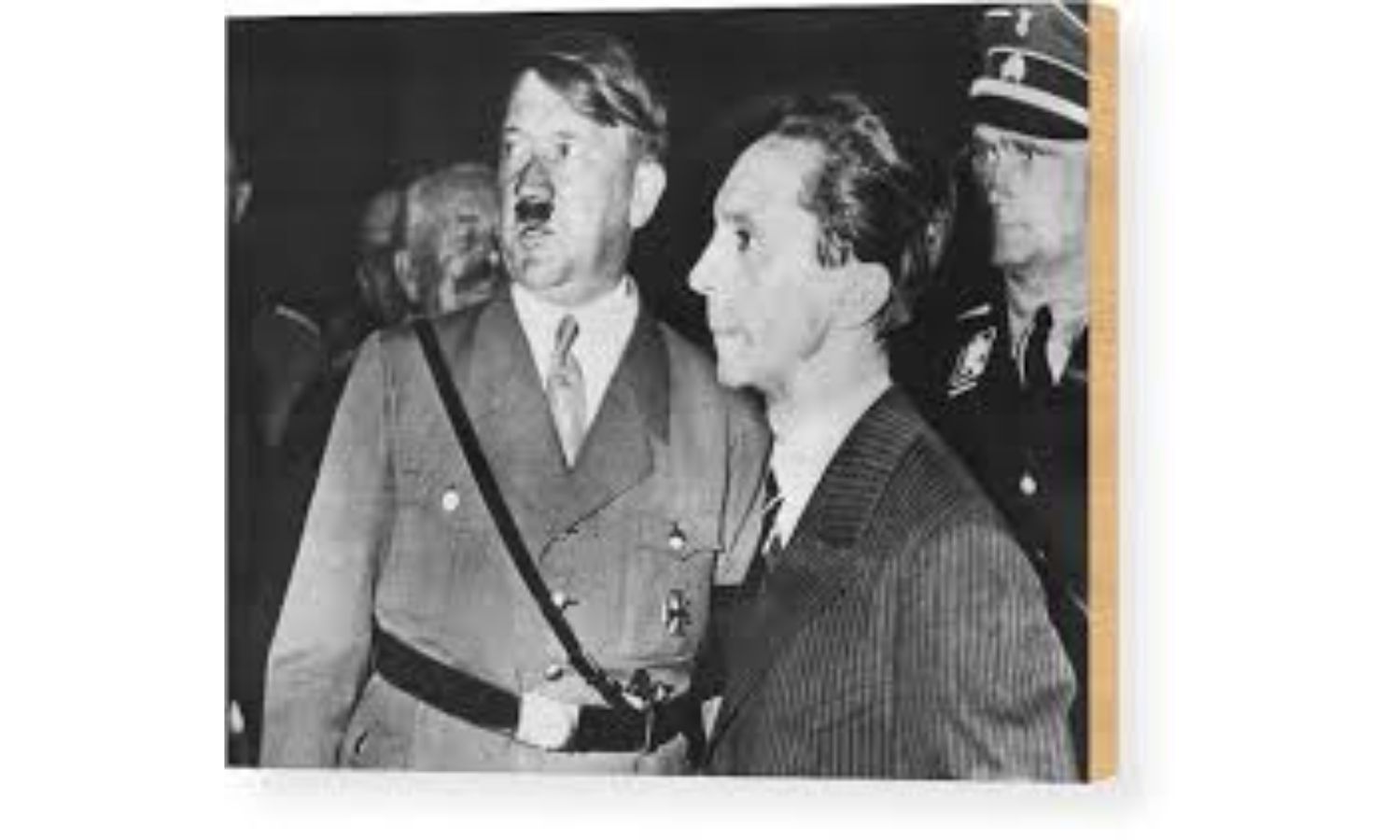
The Nazi regime was among the first to fully grasp cinema’s political potential. Adolf Hitler and Joseph Goebbels institutionalized film propaganda by establishing the Reich Chamber of Film within their Ministry of Propaganda, recognizing that nationalistic ideas packaged as emotional entertainment could circumvent rational analysis and directly influence public sentiment.
Following World War II, this propagandistic approach didn’t disappear—it evolved. Allied powers, having witnessed the effectiveness of cinematic persuasion, adopted similar techniques to project soft power globally, particularly in newly independent nations across Asia, Africa, and Latin America.
The Cold War era saw both Soviet and American forces wielding cinema as an ideological weapon. Each side created simplified, often demonized portrayals of the other. American films disguised fears of communist infiltration as science fiction threats, while Soviet cinema celebrated technological achievements as evidence of socialist superiority. This cinematic battlefield became a parallel arena where ideological conflicts played out for over half a century.
In the United States, this marriage of culture and statecraft reached its zenith with Hollywood. American cinema has consistently served as an amplifier for U.S. foreign policy interests, transforming complex military engagements in Vietnam, Iraq, and Afghanistan into moral narratives where American forces are portrayed as selfless liberators rather than agents of imperial power.
This approach functions as “banal propaganda”—subtle messaging that conditions audiences to accept certain premises, such as American exceptionalism, as natural truths. When real-world conflicts arise, official government narratives then fall on receptive minds already primed by years of cinematic conditioning.
The digital revolution has exponentially increased the reach and precision of this influence model. Streaming platforms have replaced the communal experience of cinema with personalized content delivery systems. For a modest monthly fee, viewers gain unlimited access to curated content libraries, while platform algorithms silently shape their media consumption based on viewing histories and preferences.
This represents the emergence of computational propaganda—a sophisticated system where opinion manipulation isn’t limited to individual messages but extends to controlling the entire context in which information is received. Traditional media could influence what topics people considered important; today’s digital ecosystem determines not just the topics but how viewers should feel about them.
For Generation Z, raised in this digital environment, the impact is particularly acute. Political narratives embedded in entertainment content are absorbed continuously through personal devices, making the distinction between storytelling and propaganda increasingly blurred.
Domestically, cinema’s divisive potential has become especially apparent in films that reinterpret historical events to align with contemporary political agendas. Recent productions like “Emergency” and “Dhurandhar I & II” exemplify how filmmakers can reframe historical narratives to serve current political interests, functioning as active propaganda that rewrites collective memory.
Simultaneously, a genre of identity-focused filmmaking has emerged that weaves historical elements into narratives supporting particular political worldviews. These productions use cinema’s emotional impact to lend perceived historical legitimacy to contemporary political movements.
The enduring effectiveness of cinematic propaganda, from Nazi rally documentaries to personalized streaming recommendations, lies in its ability to combine the communication of power with the illusion of audience choice. In our information-saturated age, the true influence comes not from controlling what people see, but from shaping how they interpret what they see. The ultimate goal has evolved beyond managing opinions to defining identities—creating complete emotional frameworks through which viewers understand themselves and their world.
Fact Checker
Verify the accuracy of this article using The Disinformation Commission analysis and real-time sources.

8 Comments
The article highlights an important issue – the growing influence of cinema as a political tool. While films can be a powerful medium for storytelling, we must be vigilant about how that power is used. Maintaining a critical eye is essential.
Absolutely. Filmmakers wield a lot of influence, so they have a responsibility to use that power responsibly and avoid manipulating audiences. Balance and objectivity should be the goal.
This is a fascinating exploration of the political impact of cinema. The article raises valid concerns about the medium’s ability to bypass critical thinking and shape public discourse. As viewers, we must remain aware of this potential influence.
Fascinating insights on the political influence of cinema. It’s remarkable how moving images can shape public discourse and bypass critical thinking. I wonder how filmmakers balance artistic expression with their responsibility to present objective facts.
That’s a great question. The line between artistic expression and political messaging can be quite blurry. Filmmakers have a lot of power to sway public opinion, so it’s important they use that responsibly.
This is a thought-provoking perspective on the evolving role of cinema in politics and mass communication. The ability of films to bypass critical thinking is both fascinating and concerning. As viewers, we must remain aware of this potential impact.
The article raises some valid concerns about the potential for cinema to be used as a tool of propaganda. While films can powerfully convey ideas, we should be cautious about allowing them to unduly influence our political views. Critical thinking is essential.
I agree, we must be vigilant about the potential for misuse. Films can be a double-edged sword – a powerful medium for artistic expression, but also for shaping narratives. Balance and objectivity are key.