


Listen to the article
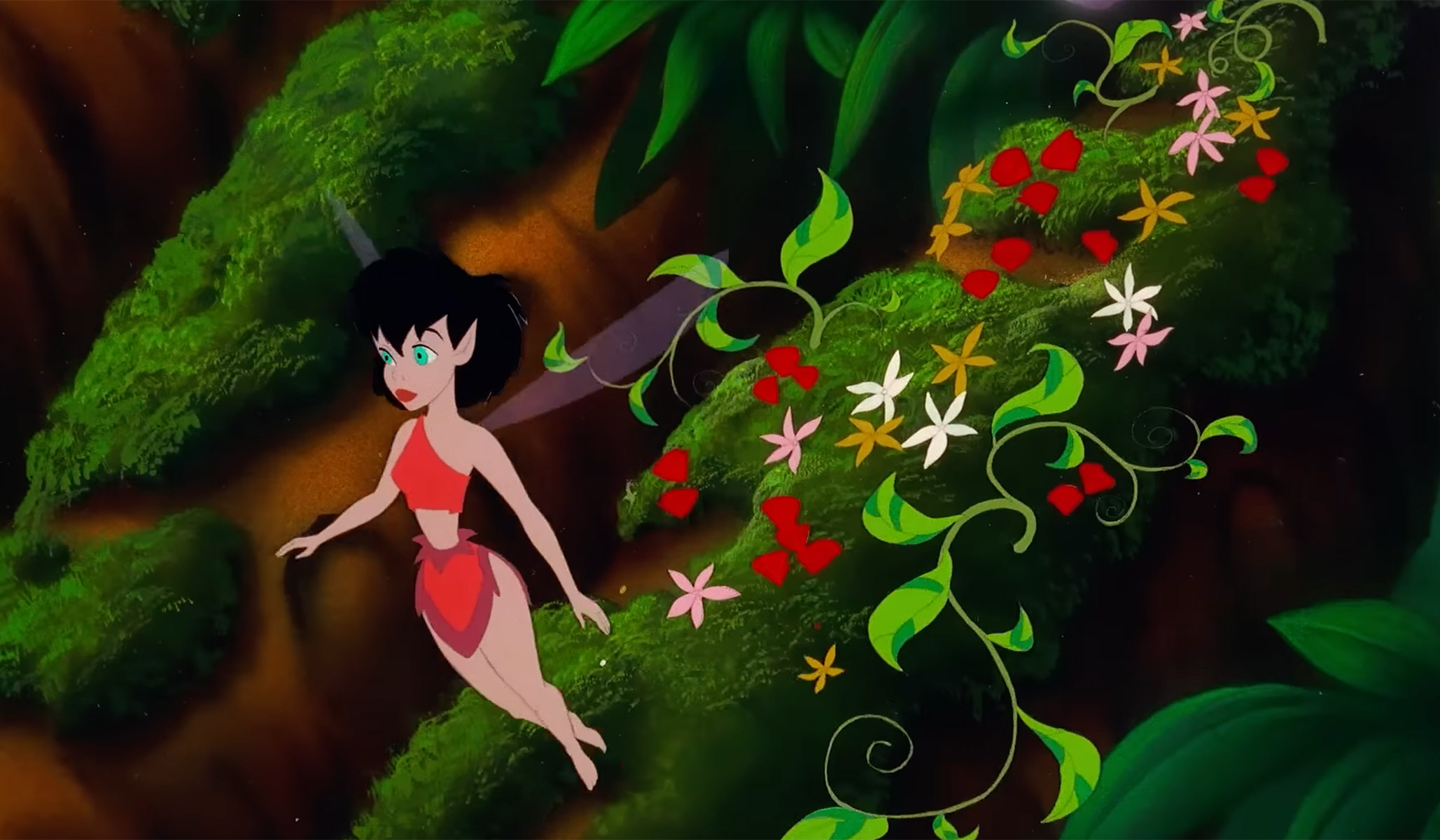
In a nostalgic turn that reflects Hollywood’s growing environmental focus, 20th Century Studios has announced the return of “FernGully: The Last Rainforest” for a new generation of viewers. The 1992 animated film, once dismissed by critics as heavy-handed environmental messaging, is now being reappraised in an era where climate concerns have moved from fringe activism to mainstream conversation.
The original film, which depicted the struggle of magical forest creatures against destructive human logging operations, arrived at a pivotal moment in environmental awareness. Released just as the 1992 Earth Summit in Rio de Janeiro was establishing climate change as a global priority, FernGully attempted to translate complex environmental concerns into a narrative accessible to younger audiences.
Critics at the time were divided. While some praised the film’s ambitious messaging, others found its environmental themes overly simplistic and didactic. The National Review, among other conservative publications, labeled it “eco-propaganda” – a criticism that reflected the highly politicized nature of environmental discussions in the early 1990s.
Three decades later, the studio’s decision to revisit FernGully comes amid significant shifts in both public opinion and scientific consensus around environmental issues. What was once considered controversial messaging has, for many, become accepted reality as climate impacts become increasingly visible worldwide.
“The timing for this revival couldn’t be more relevant,” notes environmental media analyst Dr. Eleanor Mathison. “Today’s young audiences have grown up with climate change as a fundamental concern rather than a debated theory. The film’s themes will likely resonate differently now than they did with viewers in 1992.”
The original film featured voice talents including Robin Williams, Tim Curry, and Christian Slater – casting choices that helped elevate what might otherwise have been dismissed as merely a children’s film. The studio has not yet announced voice casting for the new adaptation but indicates it will blend nostalgia with contemporary environmental understanding.
Animation technology has evolved dramatically since the original film’s release, creating opportunities for more sophisticated storytelling. The hand-drawn animation of the original – while charming by today’s standards – limited the visual complexity possible in depicting forest ecosystems. Modern animation techniques will likely allow for more nuanced representation of biodiversity and ecological relationships.
Industry observers note that the revival reflects broader trends in entertainment, where studios are increasingly mining their back catalogs for properties with built-in recognition. However, unlike many reboots driven purely by nostalgia, FernGully offers an opportunity to address evolving public consciousness around environmental issues.
The original film predated many of today’s pressing environmental concerns. While deforestation remains a critical issue, particularly in regions like the Amazon, modern viewers are equally concerned about climate change, plastic pollution, and species extinction – themes that may find their way into the updated version.
For 20th Century Studios, now owned by Disney, the project represents a chance to align with growing corporate environmental commitments. Major entertainment companies have faced increasing pressure to demonstrate environmental responsibility both in their operations and content.
Some environmental educators welcome the return of accessible environmental storytelling. “Films like FernGully create emotional connections to abstract environmental concepts,” explains James Hernandez, director of youth environmental education at the Climate Literacy Foundation. “We need both rigorous science communication and compelling storytelling to engage different audiences.”
Critics of the original film’s approach may wonder whether the new version will present a more balanced view of resource management and economic considerations. Environmental narratives have grown more sophisticated in recent decades, acknowledging the complexity of balancing conservation with human development needs.
The studio has indicated the new adaptation will aim for environmental accuracy while maintaining the magical elements that made the original appealing to younger viewers. Production is expected to begin later this year, with a projected release date in 2024 – coinciding with several major global environmental policy summits.
Whether viewed as timely environmental messaging or, as some critics maintained, “eco-propaganda,” FernGully’s return signals that environmental themes have secured a permanent place in mainstream entertainment – reflecting a society increasingly grappling with humanity’s relationship to the natural world.
Fact Checker
Verify the accuracy of this article using The Disinformation Commission analysis and real-time sources.

10 Comments
I remember watching FernGully as a kid and being really impacted by its environmental message. Glad to see it getting a second life, as these themes are more important than ever. Curious to see how the updated version handles the material.
Absolutely. Environmental awareness has grown tremendously since the 90s. It will be interesting to see if the new FernGully can capture that same sense of urgency and wonder about the natural world.
The National Review’s labeling of FernGully as ‘eco-propaganda’ is a telling reflection of how politically charged environmental issues were back then. Glad to see these conversations have become more nuanced over time.
Yes, the politicization of environmental concerns is really interesting to look back on. Hopefully the reboot can find a way to present the message in a way that resonates across different perspectives.
I’m glad to see environmental messages moving from ‘fringe activism’ to the mainstream. FernGully was ahead of its time in many ways. Curious to see if the reboot can capture that same sense of wonder and urgency about protecting nature.
Absolutely. With climate change an undeniable reality now, the film’s message has only grown more relevant. Hoping the reboot can balance entertainment and education in a compelling way.
As someone who works in the mining industry, I’m curious to see how FernGully portrays the relationship between industry and the environment. Hoping for a balanced, thoughtful take that acknowledges the complexities involved.
That’s a fair perspective. The original film did tend to paint things in black and white terms. An updated version that explores the nuances could be really interesting and impactful.
Interesting to revisit this environmental classic from the 90s. While the messaging may have seemed heavy-handed at the time, it’s a reflection of how far the climate conversation has come. Curious to see how the reboot will resonate with today’s audiences.
Indeed, environmental themes that were once seen as fringe or political are now mainstream. The film’s portrayal of the struggle between nature and industry still feels relevant.