


Listen to the article
Digital misinformation spreading at “epidemic” level, experts warn at Dhaka seminar
Misinformation, rumors, and digital manipulation are spreading at an “epidemic” level across Bangladesh, weakening public trust in media and threatening democratic institutions, according to experts at a high-profile seminar in Dhaka on Thursday.
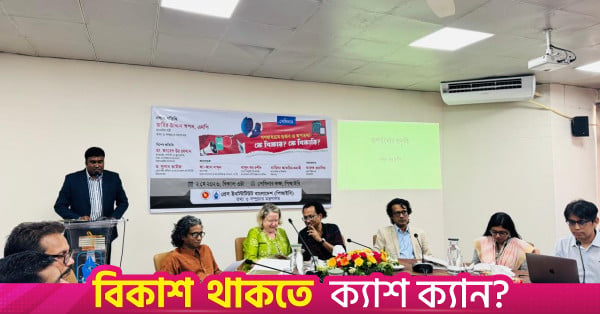
The event, titled “Rumors and Misinformation on Media: Who is the Prey? Who is the Hunter?,” brought together policymakers, journalists, fact-checkers, and IT specialists at the Press Institute Bangladesh (PIB) to address growing concerns about information integrity in the digital age.
Faruk Wasif, Director General of PIB, highlighted how social media algorithms have created echo chambers that reinforce user biases and deepen societal divisions. “Users increasingly consume information that aligns with their pre-existing beliefs rather than seeking verified facts,” Wasif said. He added that declining media literacy has compounded the crisis, eroding public trust in mainstream news sources.
Zahed Ur Rahman, adviser to the Prime Minister on Policy and Strategy and chief guest at the event, pointed to the troubling rise of “alternative truth” narratives and confirmation bias as key drivers of misinformation. While emphasizing that deliberate falsehoods will face consequences, Rahman clarified that enforcement measures should target criminal activity without suppressing legitimate dissent.
“We must distinguish between honest mistakes and deliberate attempts to mislead the public,” Rahman said. “Our approach should protect truth without stifling free expression.”
The global dimension of digital misinformation was highlighted by UNESCO Representative Susan Weiss, who noted that regulatory solutions alone are insufficient since much misleading content originates beyond national borders. Weiss advocated for a multi-faceted approach including real-time fact-checking mechanisms, improved journalist training on recognizing bias, and stronger media literacy programs across educational institutions.
Professor Abdullah Al Mamun from Rajshahi University drew attention to the political weaponization of misinformation, noting the increase in “rage-baiting” content specifically designed to provoke anger and emotional responses rather than rational discourse. Mamun also pointed to structural issues within media ownership and influence patterns that can exacerbate information distortion.
The scale of the problem was underscored by ULAB faculty member Nazia Afrin Monami, who cited the Reuters Institute Digital News Report 2025. According to this research, 58% of people globally struggle to distinguish true information from false content online, while news avoidance has risen to 40% as audiences become overwhelmed by contradictory information.
IT expert Mamun Ar Rashid detailed how technological factors accelerate misinformation, explaining that “algorithmic amplification and coordinated manipulation campaigns can turn localized falsehoods into viral content within hours, often outpacing fact-checking efforts.”
The seminar produced several actionable recommendations, including establishing accountability mechanisms requiring media outlets to correct or remove proven falsehoods following independent verification. Participants also called for coordinated action between government agencies, media organizations, and civil society to develop stronger monitoring systems, improve digital literacy programs, and promote responsible journalism practices.
This gathering comes amid growing concerns about digital misinformation in Bangladesh, where increasing internet penetration and smartphone usage have created new challenges for information integrity. The discussion reflects similar debates occurring globally about how societies can preserve factual reporting and informed public discourse in an era of algorithmic content distribution and declining trust in traditional media gatekeepers.
Fact Checker
Verify the accuracy of this article using The Disinformation Commission analysis and real-time sources.

10 Comments
This digital misinformation epidemic is a worrying trend, not just in Bangladesh but worldwide. It’s critical that policymakers, tech companies, and the public work together to find solutions that promote the integrity of information and protect democratic institutions.
Absolutely. Increased cooperation and coordination across stakeholders will be key to tackling this complex challenge effectively.
Concerning to hear about the spread of misinformation in Bangladesh. Digital media algorithms amplifying biases and eroding trust in reliable news sources is a global challenge that needs to be addressed. Improving media literacy could help citizens better evaluate information online.
You’re right, combating the spread of misinformation requires a multi-pronged approach. Strengthening fact-checking efforts and media transparency is crucial to restoring public trust.
The rise of ‘alternative truth’ narratives is a concerning development that can have serious consequences. Fact-based, impartial journalism is essential for a healthy democracy. More investment in media literacy programs could empower citizens to think critically about online content.
Interesting to see experts highlighting how social media algorithms can reinforce user biases and deepen societal divisions. Promoting greater transparency around how these systems work could help address the misinformation crisis.
Agreed. Greater platform accountability and user education will be crucial to mitigating the harmful effects of algorithmic bias.
Misinformation spreading like an epidemic is a deeply concerning issue that requires a comprehensive response. Strengthening fact-checking, improving media literacy, and promoting transparency around digital algorithms should all be part of the solution.
Well said. A multi-stakeholder approach targeting both the supply and demand sides of misinformation is essential to address this complex challenge effectively.
Declining media literacy is a significant contributor to the misinformation crisis. Investing in educational initiatives to help people critically evaluate online information could go a long way in restoring public trust in mainstream news sources.