


Listen to the article
Utah Governor Defends AI Data Center Project, Criticizes Development Delays
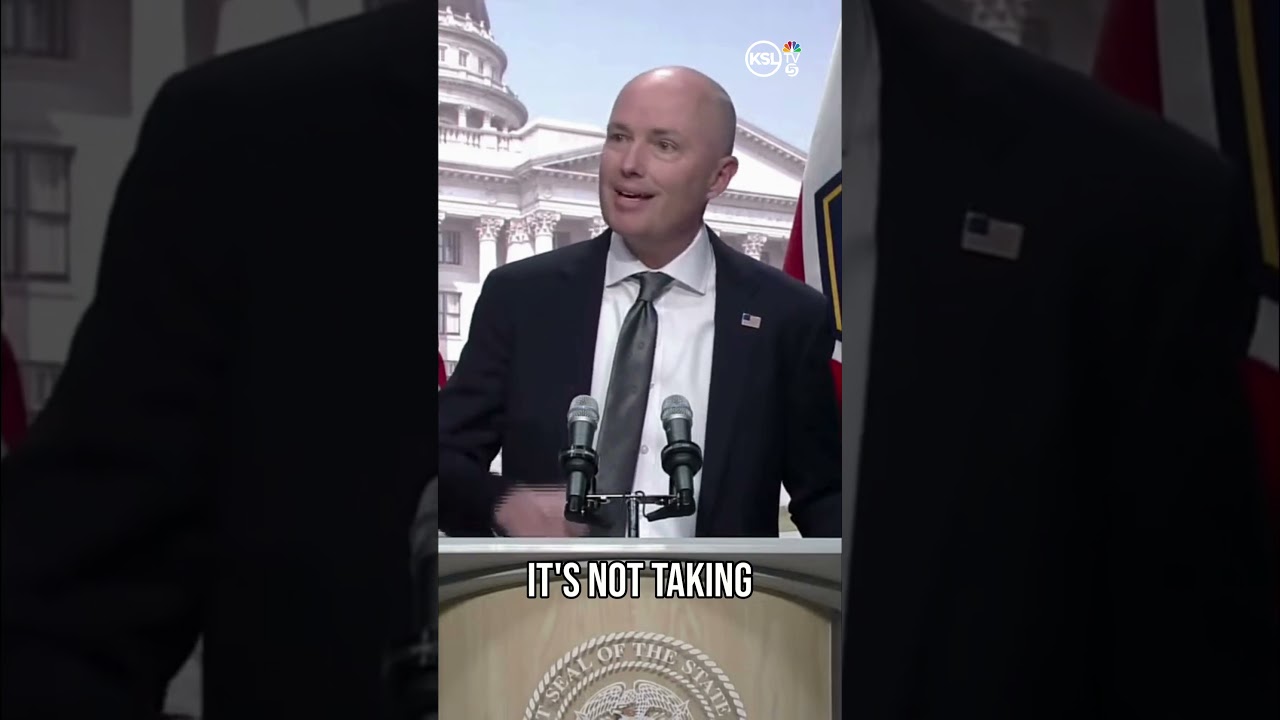
Utah Governor Spencer Cox took a firm stance Thursday on a controversial plan to build an artificial intelligence data center in the state, addressing what he characterized as misinformation while expressing frustration with the slow pace of development projects in America.
During his remarks, Cox specifically targeted claims about the water consumption of data centers, though he did not elaborate on the specific concerns or provide counter-statistics regarding the proposed facility’s expected water usage. Water consumption has become a critical issue for data centers nationwide, particularly in drought-prone Western states like Utah, where water resources are increasingly strained.
“I’m so tired of our country taking years to get stuff done. It’s the dumbest thing ever,” Cox said, his comments reflecting growing impatience with regulatory and approval processes. “We think that taking time makes things better or safer. It absolutely does not.”
The governor’s blunt assessment comes amid increasing national debate about the balance between rapid technological advancement and thorough vetting of large-scale projects. Utah, like many states, has been actively courting technology companies and data centers as part of economic development initiatives.
The AI data center project represents part of a larger trend of tech infrastructure expansion across the United States. Data centers, which form the physical backbone of cloud computing and artificial intelligence operations, require substantial resources including electricity and water for cooling systems. In arid regions like Utah, water usage for such facilities has become particularly contentious.
Industry experts note that modern data centers typically consume millions of gallons of water annually for cooling purposes, though newer technologies are reducing this footprint. Many facilities are implementing closed-loop cooling systems and exploring alternative cooling methods to address environmental concerns.
The governor’s comments align with a broader push by his administration to streamline development processes and position Utah as business-friendly. Under Cox’s leadership, the state has actively pursued technology sector growth while facing criticism from environmental groups concerned about resource management.
Utah’s technology sector has experienced significant growth in recent years, with the region between Salt Lake City and Provo often referred to as the “Silicon Slopes.” This expansion has brought economic benefits but also raised questions about sustainability and infrastructure capacity.
The unnamed AI facility would join several major data centers already operating in the state, including facilities run by tech giants that have been attracted by Utah’s relatively low energy costs and business-friendly regulatory environment.
Critics of accelerated approval processes argue that thorough environmental impact studies and community input are essential for projects with significant resource demands. Environmental groups have expressed particular concern about water allocation in a state that has faced persistent drought conditions in recent years.
Cox’s comments also reflect a growing national tension between economic development imperatives and environmental considerations, particularly as AI development accelerates and requires increasingly powerful computing infrastructure.
The governor did not specify which aspects of the approval process he finds unnecessarily time-consuming, nor did he outline any specific regulatory changes he might support to expedite such projects.
As AI continues to transform industries and drive demand for computing power, debates like the one in Utah are likely to become more common across the country, forcing communities to weigh economic opportunities against resource constraints and environmental impacts.
State officials have not yet announced a timeline for final decisions regarding the proposed data center or released details about its specific location, size, or the company behind the project.
Fact Checker
Verify the accuracy of this article using The Disinformation Commission analysis and real-time sources.

13 Comments
It’s a tricky balance – on one hand, streamlining approval processes could accelerate important projects. But on the other, thorough vetting helps ensure environmental and community impacts are properly considered. Thoughtful compromise will be key.
The governor’s frustration with regulatory delays is understandable, but shouldn’t come at the expense of proper environmental and community safeguards. I hope a nuanced solution can be found that enables progress while addressing legitimate concerns.
The governor’s comments on regulatory delays reflect a common frustration, but environmental and community safeguards shouldn’t be rushed. Hopefully a thorough review can address valid concerns without unreasonable delays.
Well said. Striking the right balance is challenging but important, especially for large-scale projects with significant impacts.
The water usage issue is a valid concern, especially given Utah’s water challenges. I hope the data center proposal includes detailed plans to minimize consumption and mitigate impacts on local resources.
Agreed, transparency around water usage projections and conservation efforts will be crucial in evaluating the feasibility and sustainability of this project.
Interesting perspective from the governor, though I share concerns about potential water impacts. Thorough analysis and transparent discussions will be key to finding the right balance between technological advancement and environmental sustainability.
Water usage is a major concern, especially in drought-prone regions. I’d be curious to see the data and projections on the proposed facility’s expected consumption and its impact on local resources.
Agreed, transparent data and analysis will be crucial. Rigorous review is needed to ensure sustainable long-term solutions.
The debate around this data center proposal highlights the ongoing tension between rapid innovation and responsible development. I hope the review process can strike a thoughtful compromise that enables progress while prioritizing environmental and community wellbeing.
Interesting to hear the governor’s perspective on the data center proposal. It’s a complex issue with valid concerns around water usage, but also the need for technological progress. Curious to see how the debate unfolds and if a balanced solution can be reached.
I agree, finding the right balance between environmental impact and economic/technological advancement is crucial. Thoughtful discussion and compromise will be key.
The governor’s blunt assessment reflects a desire for progress, but rushing critical reviews could lead to problems down the line. A balanced approach is needed to address both rapid advancement and responsible development.