


Listen to the article
More than half of British teenagers express deep concerns about the spread of fake news online, according to a comprehensive new survey conducted by BBC Bitesize and BBC 5 Live. The Teen 24 poll, which gathered responses from 2,000 teenagers aged 13-18, reveals growing anxiety among young people about misinformation in their digital environments.
The survey, carried out by polling company Survation, highlights how today’s teenagers are navigating an increasingly complex digital landscape. A striking 36% of respondents admitted to using artificial intelligence tools to complete homework or coursework assignments, signaling a significant shift in how technology is reshaping educational practices.
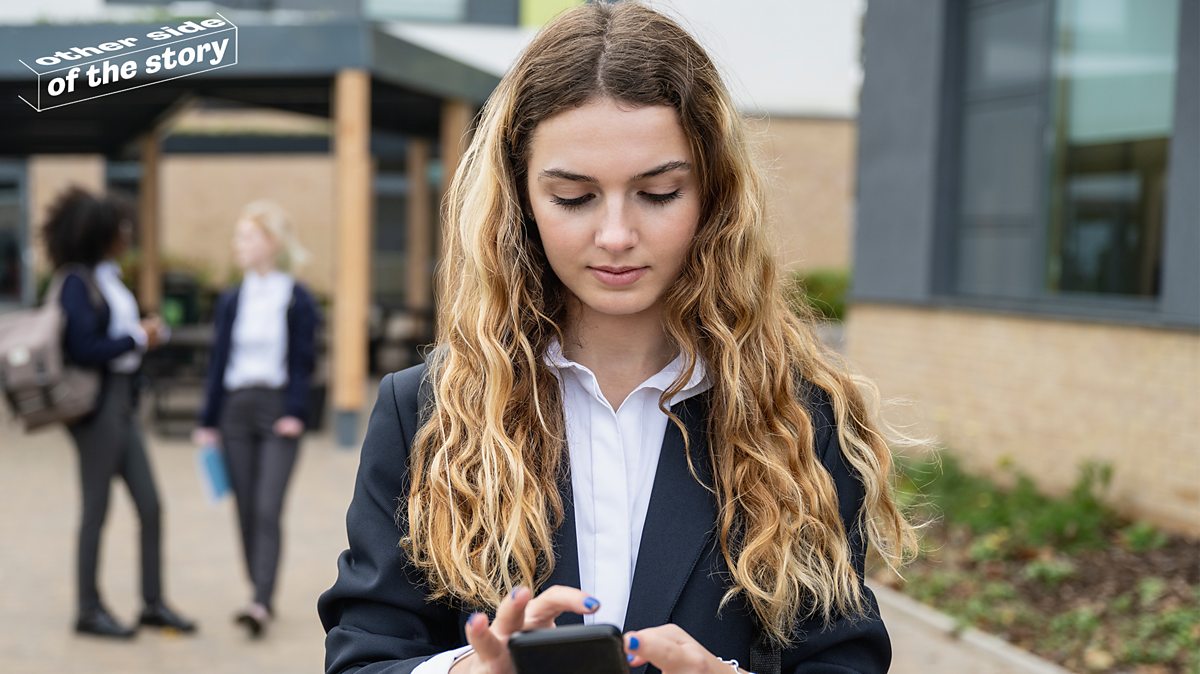
Digital dependency among teens continues to intensify, with a quarter of those surveyed reporting they spend more than five hours on their phones during a typical day. Perhaps more concerning is that half of all respondents reported feeling anxious when separated from their mobile devices, indicating potential issues with technology dependence.
Media literacy experts have long warned about the dangers of unchecked information consumption. Social media platforms have created unprecedented channels for the rapid dissemination of misinformation, with content often shared virally before its accuracy can be verified. The survey results suggest these warnings are resonating with young people, who appear increasingly aware of the problem.
“These findings reflect what we’re seeing across multiple studies – young people are becoming more sophisticated in their understanding of digital media, but they still need support in developing critical evaluation skills,” said Dr. Emma Wilson, a digital literacy researcher at King’s College London, when asked to comment on the survey results.
In response to these growing concerns, the BBC has developed initiatives to help young people better evaluate online content. The “BBC Other Side of the Story” program aims to equip teenagers with practical tools to navigate their social media feeds more critically and make informed decisions about the content they consume and share.
The program comes at a crucial time as research continues to show that misinformation can have serious real-world consequences. During recent election cycles and the COVID-19 pandemic, false information spread rapidly through social networks, influencing public opinion and potentially affecting public health outcomes.
Educational specialists note that schools are increasingly incorporating media literacy into their curricula, but many argue that more comprehensive approaches are needed. With AI tools becoming more accessible to students, educators are also grappling with new challenges related to academic integrity and authentic learning.
The survey’s findings about screen time also raise questions about digital wellbeing among teenagers. While technology provides valuable educational and social resources, excessive use has been linked to various mental health concerns, including anxiety, depression, and sleep disturbances.
“We need to strike a balance between embracing the benefits of technology while helping young people develop healthy digital habits,” said child psychologist Dr. Sarah Richards. “The fact that half of teenagers report anxiety when separated from their phones suggests we need to pay more attention to this issue.”
The BBC’s research provides valuable insights into how Generation Z perceives and interacts with digital information. As false information becomes more sophisticated and harder to identify, helping young people develop critical thinking skills becomes increasingly important.
Organizations across the education and media sectors continue to develop resources aimed at improving digital literacy. The BBC’s initiative represents part of a broader effort to ensure that the next generation can effectively navigate an information landscape where the boundaries between fact and fiction are increasingly blurred.
Fact Checker
Verify the accuracy of this article using The Disinformation Commission analysis and real-time sources.

22 Comments
It’s alarming to see the level of anxiety and dependence on mobile devices among teenagers. This speaks to the need for more education and support around healthy digital habits.
Integrating media literacy into school curriculums could be a good start to empower teens to think critically about the information they consume online.
This is a concerning trend, especially among young people. Tackling fake news and misinformation should be a priority to ensure they can navigate the digital landscape safely and responsibly.
Agreed. Improving digital literacy and critical thinking skills is key to empowering teens to identify and avoid misinformation.
The use of AI tools to complete homework is an interesting development, but it raises concerns about academic integrity and the potential for further proliferation of misinformation.
Schools will need to adapt their policies and approaches to ensure students are developing genuine skills and not relying on questionable AI assistance.
The survey’s findings on the widespread use of AI tools for homework completion are concerning and raise important questions about the future of education and academic integrity.
Schools and policymakers will need to carefully consider how to adapt their approaches to ensure students are developing genuine skills and knowledge.
The findings underscore the importance of fostering critical thinking and digital literacy skills among teenagers. Equipping them with the tools to navigate the online world responsibly should be a top priority.
Integrating media literacy into school curricula and providing resources for parents and educators could be a good starting point.
The findings highlight the need for a comprehensive approach to media literacy and digital citizenship education. Empowering teenagers to think critically and navigate the online world safely should be a top priority.
Collaboration between educators, policymakers, and tech companies will be essential to develop and implement effective strategies to address these challenges.
The prevalence of AI-assisted homework completion is concerning and raises questions about the long-term implications for academic integrity and skills development.
Schools will need to carefully examine their policies and find ways to encourage genuine learning and skill-building among students.
The survey’s insights into teenagers’ anxiety and dependence on mobile devices are worrying. Addressing these issues should be a key focus in efforts to promote digital well-being.
Developing healthy digital habits and fostering a balanced relationship with technology will be crucial for the mental and emotional health of young people.
The survey results underscore the complex challenges facing today’s teenagers as they navigate the digital landscape. Addressing fake news and misinformation, as well as digital dependency, will require a multifaceted approach.
Fostering digital resilience and critical thinking skills among young people should be a key focus to help them thrive in the digital age.
This survey highlights the urgent need for comprehensive solutions to address the growing challenges of fake news and digital dependency among teenagers. A multifaceted approach will be required.
Collaboration between educators, policymakers, and tech companies will be essential to create effective interventions and safeguards for young people.
The survey results highlight just how pervasive the issue of misinformation has become. Teenagers are increasingly reliant on technology, which makes them vulnerable to the spread of false narratives.
Developing effective strategies to combat misinformation will be crucial to protect young people’s well-being and decision-making abilities.