


Listen to the article
Communications Minister Denies Reports of New Mobile Phones for Cabinet Members
Nepal’s Minister for Communications and Information Technology, Dr. Bikram Timilsina, has firmly rejected claims circulating on social media about the distribution of new mobile phones to government ministers, calling such information “baseless and misleading.”
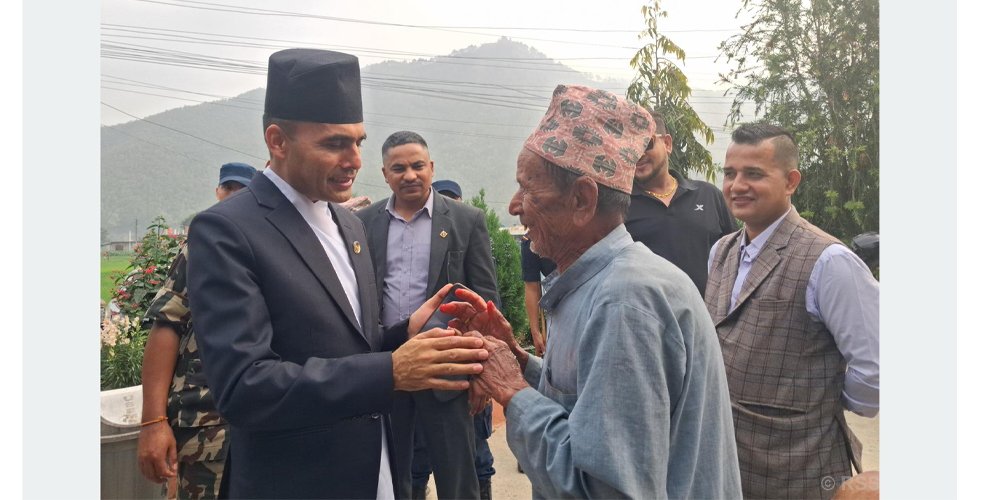
During a public engagement with locals at Chhahare bazaar in Likhu rural municipality of Nuwakot district on Friday, Dr. Timilsina addressed the rumor directly, suggesting it was deliberately spread to undermine public trust in the government.
“The information relating to distribution of new mobile phones to ministers is fake,” the minister stated, emphasizing the importance of verifying information before sharing it. He urged citizens to be cautious about content they encounter on social media platforms and to determine whether sources are official and credible.
The controversy comes at a time when many Nepali citizens remain sensitive to government spending practices, particularly regarding personal benefits for officials. Dr. Timilsina reassured the public that the government is committed to responsible management of state resources collected through taxation.
“The government is aware that it would not misuse the state resources generated with citizens’ tax,” he said, inviting public oversight by asking people to alert authorities if they witness any misuse of public funds.
Referencing Prime Minister Balendra Shah’s administration, the Communications Minister highlighted the government’s “zero tolerance” policy toward corruption. “There won’t be any irregularity and misuse of post. Government advances action once the question of irregularities is raised,” he affirmed.
Dr. Timilsina’s remarks reflect growing concerns about misinformation in Nepal’s digital landscape, where social media platforms have become prominent sources of news and information for many citizens. The spread of unverified claims has increasingly challenged government communications efforts across various sectors.
The minister took the opportunity to address broader governance issues, acknowledging public frustration with the pace of development and bureaucratic inefficiencies. He promised that the current administration would focus on delivering results rather than rhetoric.
“We don’t speak much, but show with action because we believe in performance and result,” Dr. Timilsina stated, though he cautioned that meaningful development happens gradually rather than instantaneously. He called for patience and cooperation from citizens, encouraging them to maintain positive perspectives on government initiatives.
During his visit to the Nuwakot district, the minister also expressed awareness of local development needs and expectations. He promised necessary interventions to address community aspirations, claiming the government has streamlined processes to complete projects in five years that previously would have taken decades.
Media literacy experts note that incidents like this highlight the growing challenge of misinformation in Nepal’s evolving digital ecosystem. As social media penetration increases across the country, distinguishing between factual reporting and fabricated claims becomes increasingly difficult for many citizens.
The Communications Ministry has been working to strengthen official information channels and improve transparency in government communications, though challenges persist in reaching all segments of the population with accurate information.
Nepal’s government has faced previous controversies regarding official expenditures and benefits, making public sensitivity to such issues particularly acute, especially during times of economic challenges for ordinary citizens.
Fact Checker
Verify the accuracy of this article using The Disinformation Commission analysis and real-time sources.

8 Comments
This highlights the need for greater digital literacy and critical thinking when it comes to evaluating information sources, especially on social media. Fact-checking should be a reflex, not an afterthought.
While social media has many benefits, the rapid spread of unverified claims can be very damaging. It’s heartening to see government leaders like Minister Timilsina taking a strong stance against misinformation.
Absolutely. Proactive communication and a commitment to transparency are essential for countering the proliferation of fake news.
It’s important that government officials like Minister Timilsina address misinformation directly and call for public vigilance. Social media can be a breeding ground for false claims, so verifying information from credible sources is crucial.
Agreed. Transparency and accountability from public leaders helps build trust with citizens. Spreading misinformation, even inadvertently, can undermine confidence in government.
Kudos to Minister Timilsina for promptly refuting the rumors about mobile phone distribution. It’s refreshing to see officials take a proactive stance against fake news, especially on social media platforms.
Yes, it’s a positive step. Addressing misinformation head-on, rather than letting it fester, is crucial for maintaining public faith in democratic institutions.
The minister’s remarks are a timely reminder that citizens need to be discerning consumers of online content. Blindly sharing unsubstantiated claims can have real consequences for public trust.