


Listen to the article
#
Police Launch Investigation into Fake Social Media Accounts of Jayanagar MLA
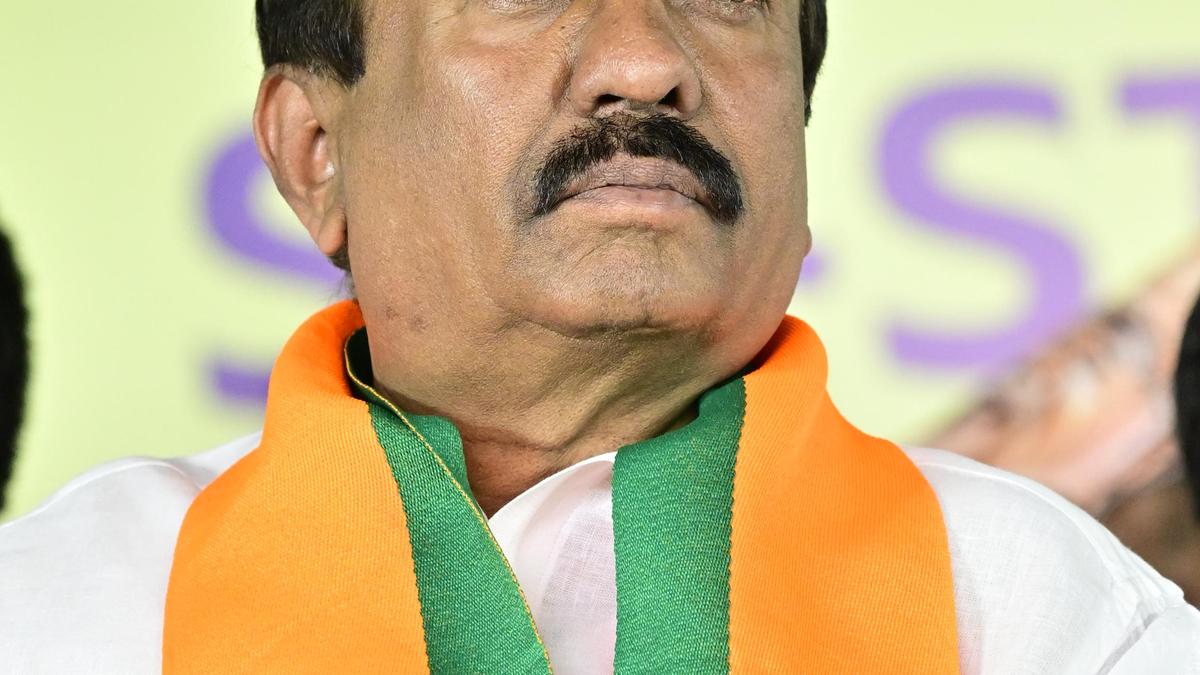
The South Division Cybercrime Police have opened a formal investigation after unknown individuals created fraudulent social media accounts impersonating C.K. Ramamurthy, the BJP MLA representing Jayanagar constituency in Bangalore.
Authorities registered the First Information Report (FIR) on Tuesday following a formal complaint from Ramamurthy, who reported that fake Facebook and Instagram profiles were created using his name and photographs without authorization. According to cybercrime officials, these accounts have been used to solicit money from unsuspecting citizens and send misleading messages to constituents.
“These imposters have been reaching out to people in my constituency, pretending to be me and asking for financial contributions,” Ramamurthy told reporters after filing the complaint. “They’ve even sent inappropriate messages to women, including ‘good morning’ texts that seem harmless but are clearly designed to damage my political reputation.”
The case highlights the growing problem of digital impersonation targeting public figures in India. Political representatives have become increasingly vulnerable to such schemes as their public profiles and constituent engagement make them attractive targets for cybercriminals.
Cybercrime experts note that political impersonation scams typically follow a pattern: creating convincing profiles with stolen photos, building credibility through benign interactions, then pivoting to requests for donations or financial assistance for fabricated community projects.
“The damage extends beyond financial loss to victims,” explained Rajesh Krishnan, a Bangalore-based cybersecurity analyst. “Such schemes erode public trust in legitimate digital communications from elected officials, making it harder for them to use social media as an effective constituency engagement tool.”
The fraudulent accounts reportedly sent “objectionable messages” that have damaged Ramamurthy’s “reputation, dignity and social standing,” according to the police report. The MLA expressed particular concern that the timing and nature of these impersonations appeared calculated to undermine his political position.
Law enforcement has registered the case under Section 66D of the Information Technology Act, which specifically addresses “cheating by personation using computer resources.” Convicted offenders can face imprisonment for up to three years and substantial financial penalties.
The Cybercrime Division has initiated technical investigation procedures to trace the origins of the fake accounts. Authorities have also issued advisories to Ramamurthy’s constituents warning them to verify the authenticity of any social media accounts claiming to represent the MLA before engaging or sharing personal information.
This incident comes amid a broader surge in digital fraud cases across Karnataka, with police reporting a 34% increase in cybercrime complaints over the past year. Political figures across party lines have faced similar impersonation attempts, prompting calls for more robust verification systems on major social media platforms.
The Election Commission and political parties have recently begun discussions about establishing official verification procedures for all candidates and elected officials on major social platforms to help citizens distinguish authentic accounts from imposters.
As the investigation continues, authorities have requested that anyone who has been contacted by these fraudulent accounts or who has information about their origins contact the South Division Cybercrime Police Station immediately.
Fact Checker
Verify the accuracy of this article using The Disinformation Commission analysis and real-time sources.

9 Comments
Misusing social media to damage a politician’s reputation is a concerning tactic. I’m glad the MLA took action to report these fraudulent accounts and hope the investigation leads to the arrest of those responsible.
Yes, it’s critical that public figures can maintain trust with their constituents. Cybercrime like this undermines democracy and needs to be stopped.
This is a concerning case that highlights the need for stronger digital safeguards and accountability measures to protect against impersonation and online fraud.
It’s troubling to see public representatives targeted in this way. Maintaining the integrity of political discourse is crucial for a healthy democracy.
Impersonating an elected official to solicit funds or send inappropriate messages is a serious abuse of power. I hope the authorities are able to swiftly address this issue.
Impersonating public figures online is a serious issue that can be used to mislead and defraud the public. I hope the authorities are able to swiftly identify and hold the perpetrators accountable.
Impersonation and fraudulent solicitation are unacceptable. I hope the police investigation is thorough and the perpetrators face appropriate legal consequences.
Agreed. Misusing someone’s identity to deceive the public is a violation of trust that should be taken very seriously.
This highlights the importance of verifying the authenticity of online accounts, especially those claiming to represent public officials. Fact-checking and digital literacy are essential to combat misinformation.