


Listen to the article
American moving patterns are undergoing a significant shift, departing from the post-pandemic migration that saw millions relocating to smaller towns and remote-friendly areas. Recent forecasts indicate that rather than returning to major coastal metropolises, Americans are increasingly drawn to mid-sized cities, quieter suburbs, and even previously overlooked urban centers experiencing unexpected revivals.
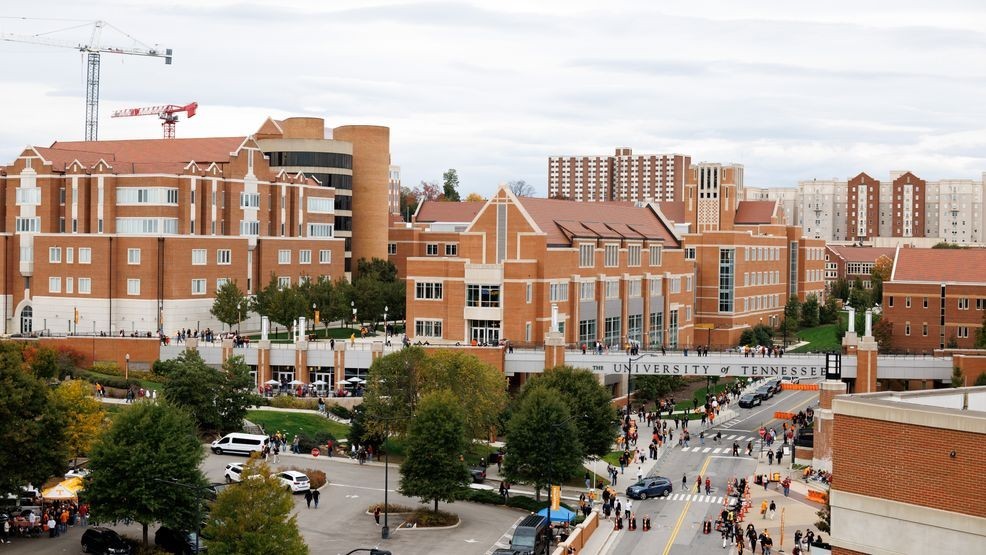
Knoxville, Tennessee, tops MoveBuddha’s 2026 Moving Forecast as the nation’s most desirable destination. The city is projected to have an impressive inbound-to-outbound ratio of 1.61, meaning approximately 161 newcomers will arrive for every 100 residents who leave—the highest projected ratio in the United States.
Following closely behind Knoxville in the rankings are Tulsa, Oklahoma; Vancouver, Washington; Savannah, Georgia; and Tucson, Arizona. These destinations share common characteristics: they offer sufficient employment opportunities, educational institutions, and amenities while avoiding the congestion and high costs typical of major metropolitan areas.
The report reveals clear patterns among the top-ranked destinations. Of the 25 cities showing the strongest in-migration indicators, 20 are mid-sized urban areas, 11 host major universities, and nearly half are located in the South or Southwest regions of the country. This suggests Americans are seeking a balance between urban amenities and more manageable living conditions.
Interestingly, some larger, older cities previously thought to be in decline are experiencing unexpected resurgences. St. Paul, Minnesota, leads this “comeback city” phenomenon with interest surging approximately 122% since 2019, according to MoveBuddha’s analysis. This remarkable growth makes St. Paul the most notable urban revival story in the company’s dataset.
Other metropolitan areas showing renewed momentum include Milwaukee, Wisconsin, with a 48% increase in interest; Chicago, Illinois, up 42%; Cleveland, Ohio, increasing by 36%; and Fort Worth, Texas, rising 33%. These statistics challenge the prevailing narrative that residents are abandoning larger cities en masse. Instead, Upper Midwest and Great Lakes metropolitan areas with robust job markets and relative affordability are attracting fresh attention from potential movers.
U-Haul’s 2025 midyear migration report provides additional insight by tracking inbound truck traffic patterns, which largely confirm MoveBuddha’s findings. Chicago, for instance, is receiving U-Haul arrivals from neighboring states including Indiana, Michigan, and Wisconsin, as well as from major cities such as Milwaukee, Indianapolis, and Detroit. This movement aligns with MoveBuddha’s data showing Chicago’s interest has increased by more than 40% since 2019.
Similar trends are emerging on the East Coast, where New York City is attracting movers from Pennsylvania, New Jersey, Massachusetts, Virginia, and various in-state regions including Albany, Syracuse, and Buffalo. These U-Haul patterns suggest that despite years of headlines about population exodus, some of the country’s largest metropolitan areas are regaining regional pull, particularly from neighboring states.
The collective data portrays a nation experiencing two distinct migration patterns simultaneously. Americans seeking more affordable and slower-paced lifestyles are gravitating toward mid-sized cities in the South and Southwest. Meanwhile, several larger, older metropolitan areas—particularly in the Upper Midwest—are staging meaningful comebacks after extended periods of population decline.
This dual migration trend reflects changing priorities among American households and could have significant implications for housing markets, local economies, and urban development strategies across the country. As these patterns continue to evolve, they will likely reshape the demographic and economic landscapes of numerous communities throughout the United States.
Fact Checker
Verify the accuracy of this article using The Disinformation Commission analysis and real-time sources.

10 Comments
This report highlights an important demographic shift taking place as Americans rethink their priorities around where to live. The appeal of mid-sized cities with lower costs of living but access to amenities is understandable given the pandemic-driven changes. I wonder how local governments in these growing destinations will manage the influx of new residents.
Good point. Rapid population growth in these mid-sized cities could strain infrastructure and public services if not managed carefully. Local officials will need to plan ahead to ensure the influx of new residents can be accommodated without compromising quality of life.
This forecast of the top relocation destinations for 2026 is intriguing. I’m curious to see if the trends hold true or if the pandemic-driven shift to smaller cities and remote work areas reasserts itself. The appeal of mid-sized metros with more affordable housing and vibrant downtowns is clear, but a lot can change in 4 years.
The rise of Knoxville, Tennessee as the top relocation destination is quite surprising. I didn’t realize it had such strong appeal compared to other mid-sized metro areas. What do you think are the key factors driving its popularity over places like Tulsa or Savannah?
Knoxville’s affordability, job opportunities, and quality of life must be particularly compelling for people seeking an alternative to crowded, expensive coastal cities. The report suggests it has the right mix of economic and lifestyle factors to make it a standout choice.
The rise of Tulsa, Oklahoma as a top destination is particularly interesting given its history as an overlooked city. I wonder what specific factors are driving its appeal – could it be the combination of a lower cost of living, growing job market, and emerging cultural scene? This report highlights how some mid-sized cities are successfully reinventing themselves.
Interesting to see mid-sized cities gaining popularity as relocation destinations. Factors like job opportunities, affordability, and quality of life seem to be driving this shift away from major metros. I wonder what economic and demographic changes we’ll see in these growing cities over the next few years.
Agreed, the appeal of mid-sized cities with good amenities but lower costs is understandable. It will be fascinating to track how these emerging destinations evolve and whether they can sustain the expected growth.
The projected inbound-to-outbound ratio of 1.61 for Knoxville is quite remarkable. That level of net migration growth could have a significant impact on the city’s economy, infrastructure, and overall character. I wonder if local leaders are prepared to manage such rapid population expansion in a sustainable way.
It’s fascinating to see the variety of mid-sized cities topping the list of relocation destinations. From the Southeast to the Southwest to the Pacific Northwest, this suggests a broad geographic appeal for these kinds of urban centers. I’d be curious to learn more about the unique selling points of each of these up-and-coming cities.