


Listen to the article
Information verification in the digital age has become increasingly complex, with social media platforms amplifying the spread of unverified content at unprecedented rates, according to a new study by the BBC.
The research, which examined media consumption habits across three countries, found that distrust in mainstream news sources has driven many people to alternative information channels. Rather than fact-checking content before sharing, users are spreading unverified information from these alternative sources, believing they are helping disseminate “the real story” that traditional media supposedly ignores or conceals.
Perhaps most concerning is the finding that individuals displayed excessive confidence in their ability to identify false information, despite evidence suggesting otherwise. This overconfidence creates a dangerous combination: users simultaneously distrusting established news sources while uncritically accepting alternative narratives that align with their existing views.
The problem has intensified significantly since 2018, as the volume of digital information has expanded exponentially across platforms. Rather than investigating the original sources of questionable information, users are developing alternative—and often unreliable—methods to determine credibility.
“People are looking at surface-level indicators of trustworthiness rather than substantive verification,” explained a researcher associated with the study. “The number of comments on a Facebook post, the types of images included, or simply who shared the content become proxy measures for reliability.”
Particularly noteworthy is how proximity and personal connection influence trust. Messages received via WhatsApp from friends and family members are typically accepted as factual without verification, creating dangerous information bubbles where misinformation can flourish unchallenged. This content is then forwarded to other connections, extending the reach of potentially false information.
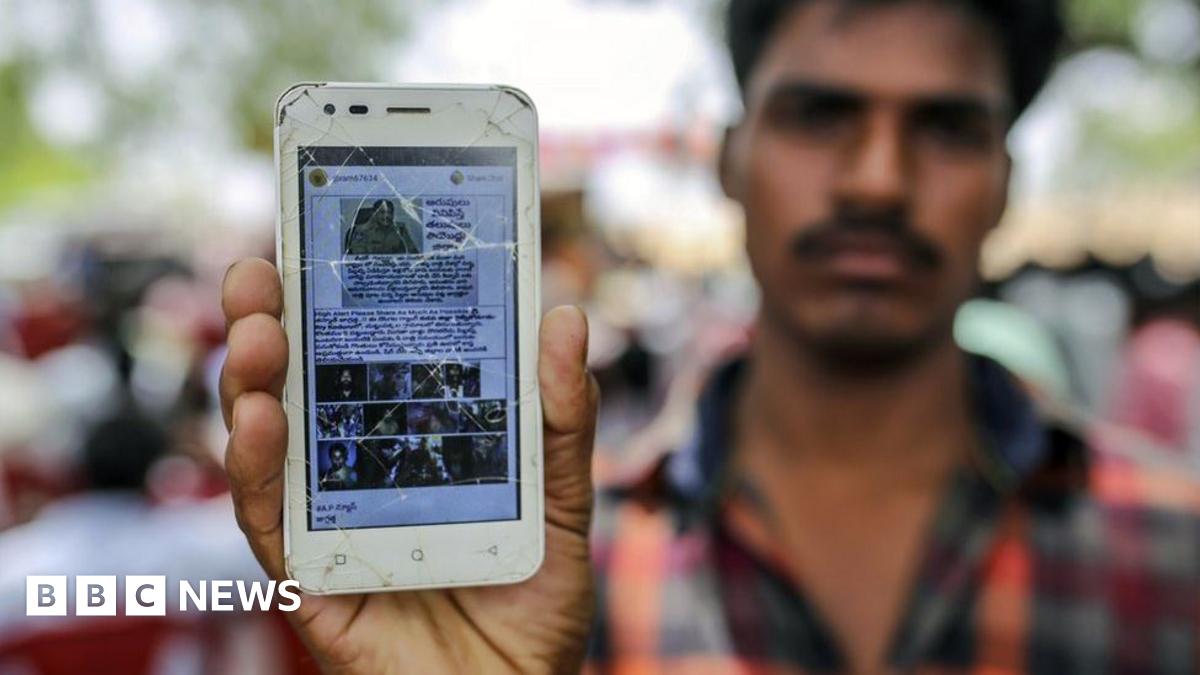
The consequences of this behavior can be severe. In India, widespread sharing of fabricated messages about child abductors on WhatsApp has triggered episodes of vigilante violence. Users forward these messages to contacts out of a misguided sense of duty to protect their communities, inadvertently contributing to panic and, in some cases, mob justice resulting in deaths of innocent people.
Media literacy experts warn that these findings reflect a global crisis in information consumption. “We’re seeing a perfect storm of technological capability to share information instantly combined with decreasing trust in traditional gatekeepers,” noted Dr. Samantha Reynolds, a digital media specialist not involved in the study. “When people don’t trust established sources but still need information, they turn to channels they perceive as more authentic—often without the editorial standards that professional journalism provides.”
The research highlights how social media platforms have struggled to balance free expression with responsible information sharing. WhatsApp, owned by Meta (formerly Facebook), has subsequently introduced measures to limit message forwarding and label content that has been repeatedly shared. However, critics argue these measures are insufficient given the scale of the problem.
The findings also point to broader societal challenges regarding media literacy in the digital age. Educational initiatives teaching critical evaluation of online content have not kept pace with the rapid evolution of social media platforms and messaging apps.
Experts recommend that digital platforms enhance their efforts to flag potential misinformation while governments and educational institutions develop more robust programs to teach digital literacy. For individual users, developing the habit of verifying information before sharing—regardless of who sent it—remains the most effective defense against participating in the spread of false information.
As information ecosystems continue to fragment, the responsibility for ensuring accurate information circulation increasingly falls on individual users, making personal verification practices more important than ever in maintaining healthy public discourse.
Fact Checker
Verify the accuracy of this article using The Disinformation Commission analysis and real-time sources.

7 Comments
This is a real challenge in the digital age – the sheer volume of information and the tendency for people to accept narratives that align with their existing views. Verifying sources and fact-checking has never been more important.
Agreed. The overconfidence in identifying false information is especially worrying. Even savvy users can get caught up in the spread of misinformation.
The exponential growth of digital information makes the problem of fake news even harder to contain. Platforms and governments need to work together on solutions, but individuals also have a responsibility to be more vigilant consumers of information.
Interesting that nationalism is fueling the spread of fake news in India. It’s a concerning trend that people are relying on alternative sources instead of fact-checking mainstream media. Curious to see if this is happening in other countries as well.
It’s concerning that something as fundamental as nationalism can be used to amplify the spread of misinformation. This speaks to the power of identity politics and the need for education around critical thinking and media literacy.
Absolutely. Cultivating a more discerning and skeptical public when it comes to online content is crucial. Relying on authoritative, fact-based sources should be the norm, not the exception.
The article highlights some troubling dynamics around the erosion of trust in traditional media sources. I wonder what can be done to address this issue and restore faith in reliable, fact-based journalism.