


Listen to the article
Federal Judge Sides with DOJ in Fulton County Election Materials Dispute
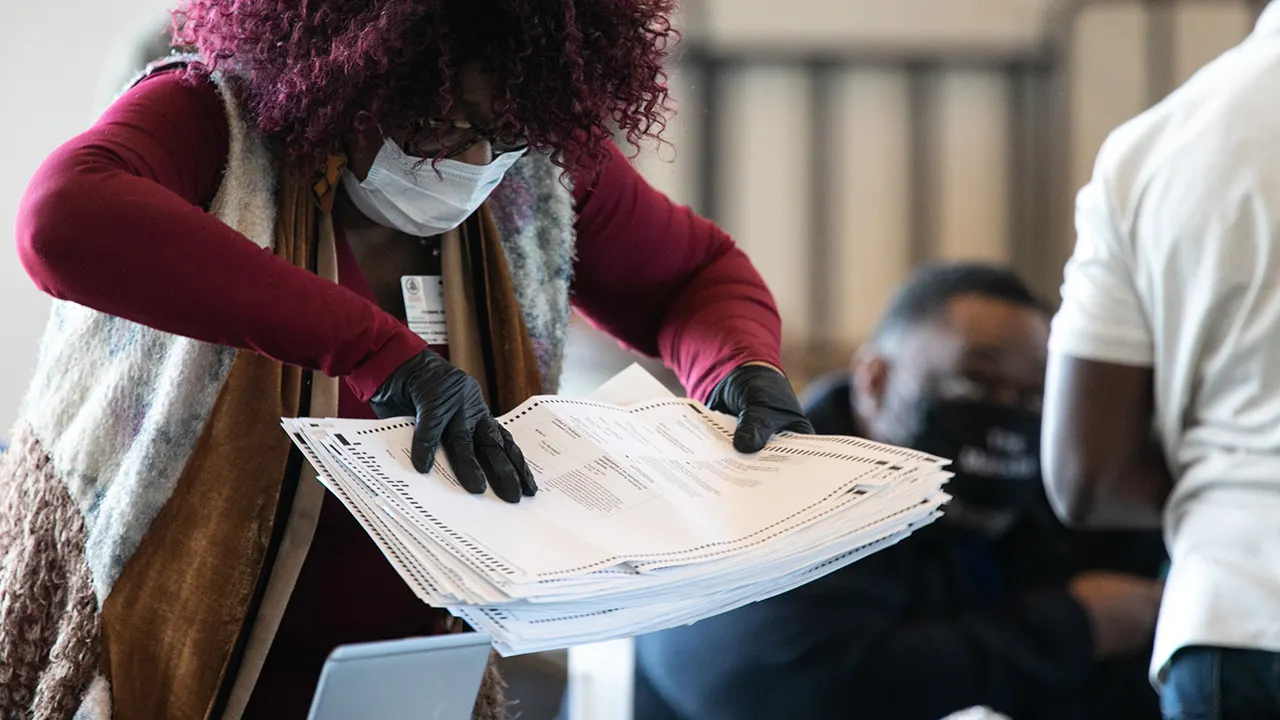
A federal judge has ruled against Fulton County officials seeking the return of more than 600 boxes of 2020 election records seized by the FBI in January, marking a significant victory for the Department of Justice in its ongoing investigation of past elections.
Judge J.P. Boulee, a Trump appointee, issued a 68-page order denying the county’s request and rejecting claims that the government showed “callous disregard” for the county’s constitutional rights during the seizure at the Fulton County Election Hub and Operation Center.
Following the decision, the Department of Justice took an unusual approach on social media, directly targeting journalists who had predicted an unfavorable outcome for the government. “Wrong again, MacFarlane,” a DOJ communications account posted on X, referring to a MeidasTouch journalist who had speculated the department’s arguments would fail. In a separate post about a Lawfare editor, the account wrote, “Sorry for your loss, Anna.”
The ruling represents a key development in the Trump administration’s broader nationwide effort to investigate the 2020 election in battleground states, including Arizona and Michigan. The FBI obtained the materials through a court-approved search warrant as part of its investigation into allegations of ballot irregularities and record-keeping failures in Georgia—a state Trump lost narrowly to Joe Biden and that became central to Trump’s election fraud claims.
Court documents reveal that the underlying affidavit for the search outlined multiple concerns, including missing ballot images, inconsistent recount totals, and chain-of-custody problems. While Judge Boulee acknowledged the affidavit contained “troubling” statements and was “far from perfect,” he determined it was not so deficient as to invalidate the search.
“This is not a situation where an officer left out all the facts that might undermine probable cause or where an officer intentionally lied,” Boulee wrote in his decision. He emphasized that the investigation remains in its early stages and that federal authorities had secured a valid warrant supported by an affidavit.
The seizure and subsequent investigation have drawn sharp criticism from Democrats, including Georgia Senator Jon Ossoff, who characterized it as a continuation of a “sore loser’s crusade.”
Fulton County Board of Commissioners Chairman Robb Pitts, named in the litigation over the box seizure, has been particularly vocal in his opposition. In a statement provided to Fox News Digital following the ruling, Pitts said he agreed with the judge’s assessment that the affidavit was “defective” and “problematic,” but strongly disagreed with the denial of the county’s request for the return of the seized records.
“We intend to vigorously pursue all available legal options,” Pitts stated, reiterating his commitment to “stand by our election workers and the voters of Fulton County.” He had previously called the investigation “another act of outrageous federal overreach designed to intimidate and to chill participation in elections.”
The dispute highlights escalating tensions over election administration as Trump continues to maintain that the 2020 election was marred by widespread fraud and pushes for stricter election security measures ahead of the upcoming midterms. The DOJ’s investigations in Georgia, Arizona, and Michigan have alarmed voting rights advocates and election officials concerned about federal interference in state and local election processes.
While the court ruling grants the DOJ continued access to the seized materials, it remains unclear how the investigation will proceed or what potential implications it might have for future elections and voting procedures in these key battleground states.
Fact Checker
Verify the accuracy of this article using The Disinformation Commission analysis and real-time sources.

11 Comments
The DOJ’s direct targeting of journalists on social media is an unusual move. While the court ruling went their way, such an aggressive communications strategy could backfire and undermine public trust. Transparency and impartiality are crucial for these types of high-profile investigations.
I agree, the DOJ’s social media posts seem overly combative. Handling sensitive election-related cases requires a more measured, objective approach to maintain credibility.
Interesting court development in the ongoing DOJ investigation of the 2020 election. The judge’s decision seems to side with the government’s argument, though it’s unclear what specific records or evidence were seized. Curious to see what further details emerge from this case.
This ruling gives the DOJ more leverage as they continue their probe. It’ll be worth monitoring how they use this material and what it reveals about the 2020 election process.
This is a high-stakes case with major implications. I’m interested to see what the DOJ uncovers through their investigation, but they need to handle it objectively and avoid appearing overly partisan. Restoring public trust in the electoral process should be the top priority.
Rulings like this highlight the ongoing disputes around the integrity of the 2020 election. While the court sided with the DOJ, I’m curious to see what specific evidence or records were seized and how that material will be used going forward. Transparency from all sides is crucial.
The DOJ’s aggressive social media tactics are concerning. Even if they prevailed in court, that kind of combative approach can erode public trust. I hope they refocus their efforts on thoroughly investigating the facts and presenting findings in a measured, nonpartisan manner.
Agreed. DOJ should be cognizant that how they communicate can impact perceptions of their work, regardless of the legal outcomes. Maintaining impartiality is key for an issue as politically charged as this.
The 2020 election continues to be a contentious topic. This ruling gives the DOJ more ammunition, but I hope they proceed thoughtfully and transparently. Restoring faith in the electoral process should be the priority, not scoring political points.
Well said. The DOJ needs to take the high road here and focus on facts over rhetoric if they want the public to have confidence in their findings.
This is a complex, politically-charged issue with a lot of competing narratives. While the court decision favors the DOJ, I remain cautious about drawing firm conclusions until we see the full scope of the evidence and how it’s presented. Careful analysis of the facts is needed, not partisan grandstanding.