


Listen to the article
U.S.-Iran Ceasefire Under Strain as Attacks Continue in Gulf Region
The fragile ceasefire between the United States and Iran faced renewed pressure Friday as the United Arab Emirates responded to missile and drone attacks, hours after the U.S. military reported intercepting Iranian strikes on three Navy ships in the Strait of Hormuz.
No damage was reported in the UAE following the attacks. The UAE’s defense ministry cautioned residents against approaching or photographing debris resulting from air interceptions, underlining the ongoing security concerns in the region.
The U.S. military stated it had intercepted “unprovoked Iranian attacks” on Navy vessels navigating the strategic waterway and subsequently launched “self-defense strikes” against Iranian military facilities responsible for the aggression. U.S. Central Command emphasized that no American ships were hit in the exchange and reiterated that it “doesn’t seek escalation but remains positioned and ready to protect American forces.”
Meanwhile, diplomatic efforts to end the two-month conflict continue. Tehran announced Thursday it was examining the latest U.S. proposals delivered through Pakistan, which has emerged as a key mediator in the crisis. Pakistani Foreign Minister Ishaq Dar spoke with his Iranian counterpart, Abbas Araghchi, the same day.
“We expect an agreement sooner rather than later,” Pakistani Foreign Ministry spokesperson Tahir Andrabi told reporters. “We hope the parties will reach a peaceful and sustainable solution that will contribute not only to peace in our region but to international peace as well.”
President Donald Trump downplayed the recent military exchanges, describing the retaliatory strikes against Iran as “just a love tap” during a phone call with ABC News. Trump insisted the ceasefire, in place since April 8, remains largely intact and that a deal could materialize “any day.” However, he also issued a stark warning: “If it doesn’t get signed, they’re going to have a lot of pain,” reiterating threats of more severe military action if Tehran refuses terms that would allow resumption of disrupted oil and natural gas shipments.
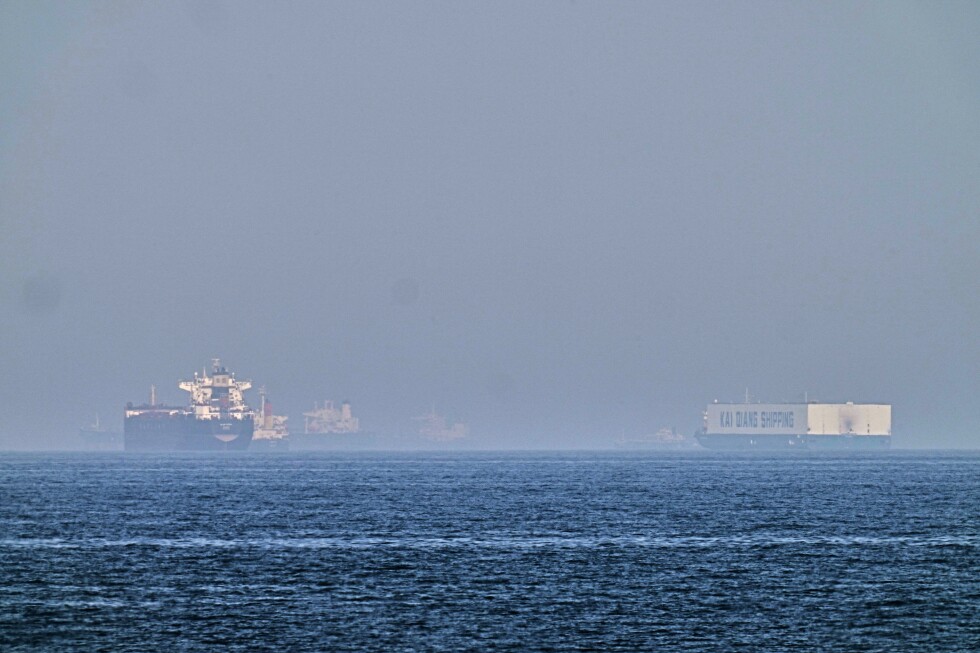
Complicating the situation, shipping data firm Lloyd’s List Intelligence reported Thursday that Iran has established a new governmental agency, the Persian Gulf Strait Authority, to vet vessels and collect tolls from ships seeking passage through the Strait of Hormuz. This move has raised international concerns about freedom of navigation in this critical maritime chokepoint.
The strait serves as a vital channel for global energy supplies, with approximately 20% of the world’s oil passing through it. Since the conflict began on February 28, when the U.S. and Israel launched strikes against Iran, Tehran has effectively restricted passage through the strait while facing U.S. blockades of its ports.
Maritime law experts contend that Iran’s demands to vet or tax vessels violate international law. The United Nations Convention on the Law of the Sea mandates that countries permit peaceful passage through their territorial waters. The United States has threatened to impose sanctions on companies that pay tolls to Iran, and alongside its Gulf allies, is pushing for a UN Security Council resolution condemning Iran’s actions and threatening further sanctions.
The economic impact of the disruption has been substantial. South Korea, which imported more than 60% of its crude through the strait last year, has capped prices of gasoline and other petroleum products as war-related supply concerns intensify. On Friday, an oil tanker that had navigated the strait in mid-April finally arrived off South Korea’s coast, carrying 1 million barrels of crude bound for the HD Hyundai Oilbank refinery.
Separate from these developments, direct talks between Israel and Lebanon are scheduled to resume next week in Washington, according to a U.S. official speaking anonymously. These discussions, planned for May 14-15, represent another front in the complex web of Middle Eastern negotiations currently underway.
Despite the recent military exchanges, financial markets have shown cautious optimism about a potential resolution to the conflict, reflecting hopes that diplomatic efforts might soon bear fruit in this strategically crucial region.
Fact Checker
Verify the accuracy of this article using The Disinformation Commission analysis and real-time sources.
