


Listen to the article
Turkish Authorities Under Fire for Misusing Disinformation Law Against Journalists
Turkish authorities are facing mounting criticism over their aggressive application of the country’s controversial disinformation law against media professionals, following the recent arrest of a local journalist who had already corrected erroneous reporting.
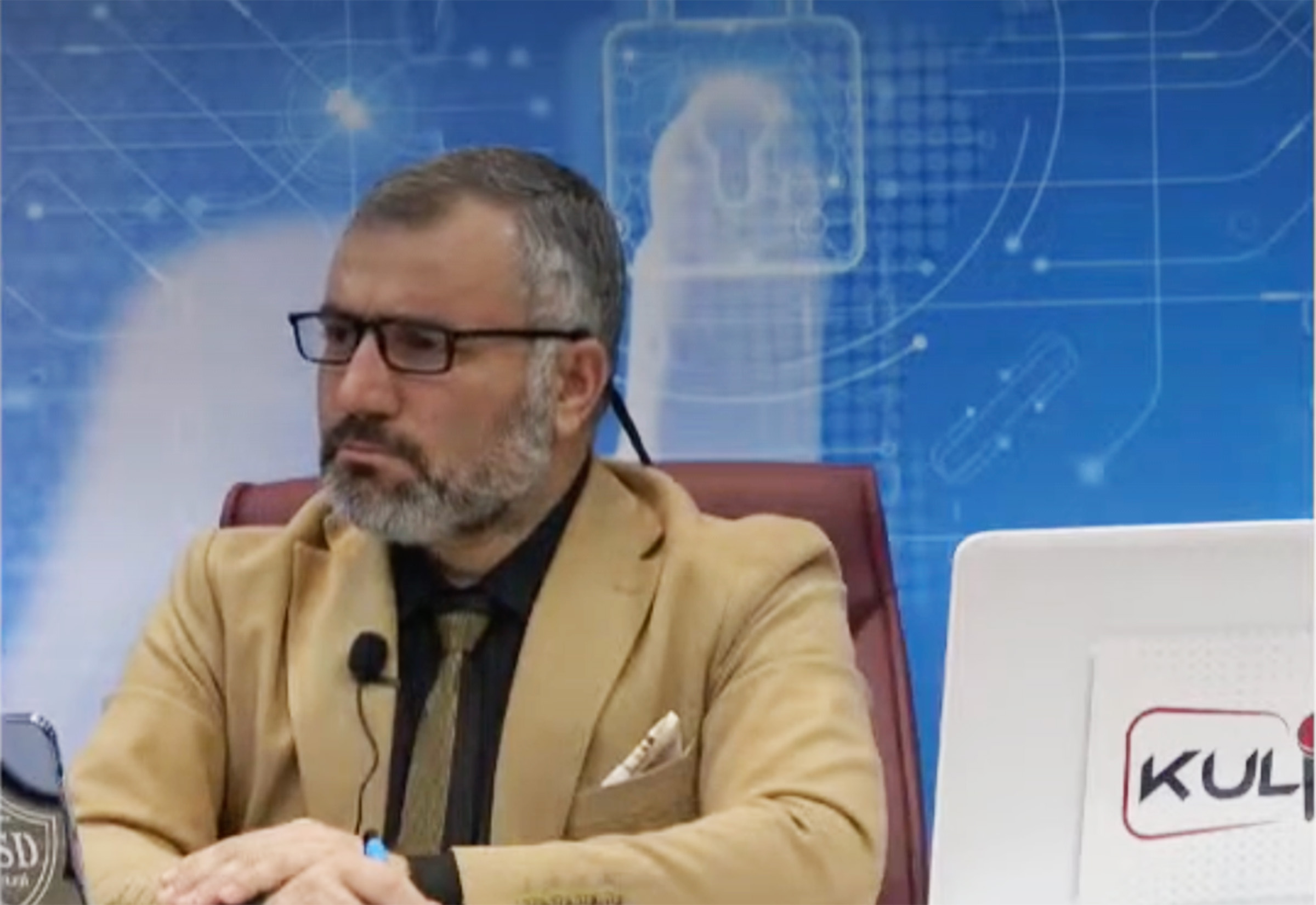
Mehmet Yetim, editor-in-chief of local broadcaster Kulis TV in southeastern Şanlıurfa province, was taken into custody during pre-dawn hours on April 18, 2026. The following day, a court ordered his detention pending trial on charges of “publicly spreading disinformation”—a move that press freedom advocates have condemned as excessive and improper.
According to Yetim’s attorney, İbrahim Halil Aydın, the charges stem from a news report about an alleged incident at a local school where people were reportedly wounded. When Yetim discovered that no injuries had actually occurred, Kulis TV promptly issued a correction. However, screenshots of the original erroneous report had already circulated on social media, leading to the journalist’s arrest.
“Turkey keeps arresting journalists over claims of spreading disinformation, which, even if they were true, wouldn’t be considered a crime unless they caused concern, fear, or panic among the public, according to the law,” said Özgür Öğret, Turkey representative for the Committee to Protect Journalists (CPJ). “Journalist Mehmet Yetim, who corrected his faulty reporting, didn’t cause any of those things.”
The disinformation law, introduced in late 2022, has become increasingly contentious in Turkey’s media landscape. It stipulates that individuals found guilty of disseminating false information with the intent to cause public concern, fear, or panic can face prison sentences ranging from one to three years. Despite initial assurances from government officials that the legislation would not target journalists, it has evolved into one of the most frequently invoked legal instruments against media workers.
Attorney Aydın has filed an appeal seeking to have Yetim’s arrest rescinded. He noted that even if his client receives the maximum three-year sentence, Yetim would likely avoid prison time due to automatic parole provisions for first-time offenders. Prosecutors have yet to set a trial date pending formal indictment.
Turkey’s crackdown on independent journalism has drawn international concern for years. The country has consistently ranked among the world’s leading jailers of journalists, according to press freedom organizations. The implementation of the disinformation law has added another layer to the already challenging environment for media professionals in Turkey.
Media experts point out that the law’s vague language regarding what constitutes “disinformation” provides authorities with considerable latitude in its application. Critics argue this ambiguity enables selective enforcement against journalists who may be critical of government policies or reporting on sensitive issues.
The Yetim case highlights a particularly troubling aspect of the law’s implementation: the prosecution of journalists even when they adhere to professional standards by correcting mistaken information. Press freedom advocates argue that such corrections represent responsible journalism rather than deliberate attempts to mislead the public.
Regional media watchdogs have documented dozens of cases involving journalists facing investigation or prosecution under the disinformation law since its introduction. Many of these cases involve reporting on topics considered politically sensitive, including economic issues, government corruption allegations, or national security matters.
The CPJ sought comment from the Şanlıurfa chief public prosecutor’s office regarding Yetim’s case but received no response.
As Turkey prepares for upcoming elections and faces ongoing economic challenges, observers worry that the disinformation law could be deployed more frequently against journalists reporting on controversial issues. International press freedom organizations continue to call for the law’s repeal, arguing it fails to meet international standards for freedom of expression and serves primarily as a tool for media intimidation rather than combating genuine disinformation.
Fact Checker
Verify the accuracy of this article using The Disinformation Commission analysis and real-time sources.

9 Comments
Troubling to see a journalist facing such harsh consequences for trying to set the record straight. The Turkish authorities need to find a better balance between addressing misinformation and upholding democratic principles of a free press.
The application of Turkey’s disinformation law in this situation is very troubling. Journalists should not face criminal charges for fixing mistakes, that goes against the principles of a free press.
Agreed, this arrest sets a dangerous precedent. Authorities need to be more restrained in how they use these types of laws targeting the media.
This arrest of a journalist for correcting misinformation is very concerning. Turkey’s aggressive application of the disinformation law seems to be an abuse of power and a worrying threat to press freedom.
Agreed, these charges against Mehmet Yetim appear to be an overreach. Journalists should be able to correct errors without facing prosecution.
While I understand the need to combat the spread of false information, the arrest of this journalist raises serious concerns. Correcting errors should not be criminalized, especially when the reporter acted responsibly.
Absolutely. This case highlights the potential for abuse when overly broad disinformation laws are enforced. Proportionality and protecting press freedoms should be priorities.
Curious to learn more about the details of this case. Was there a legitimate public interest or national security concern that the authorities were trying to address with this arrest? Or does it seem like a clear attempt to silence critical reporting?
That’s a good question. The fact that the journalist had already corrected the initial report makes the arrest seem highly questionable from a press freedom standpoint.