


Listen to the article
Iranian social media campaigns are proving increasingly effective at shaping international narratives amid Middle East tensions, according to veteran political analyst Chris Uhlmann.
Speaking on Sky News Australia, Uhlmann observed that Iran has developed sophisticated digital messaging strategies that are resonating globally, particularly as regional conflicts intensify following Israel’s military actions in Gaza and Lebanon.
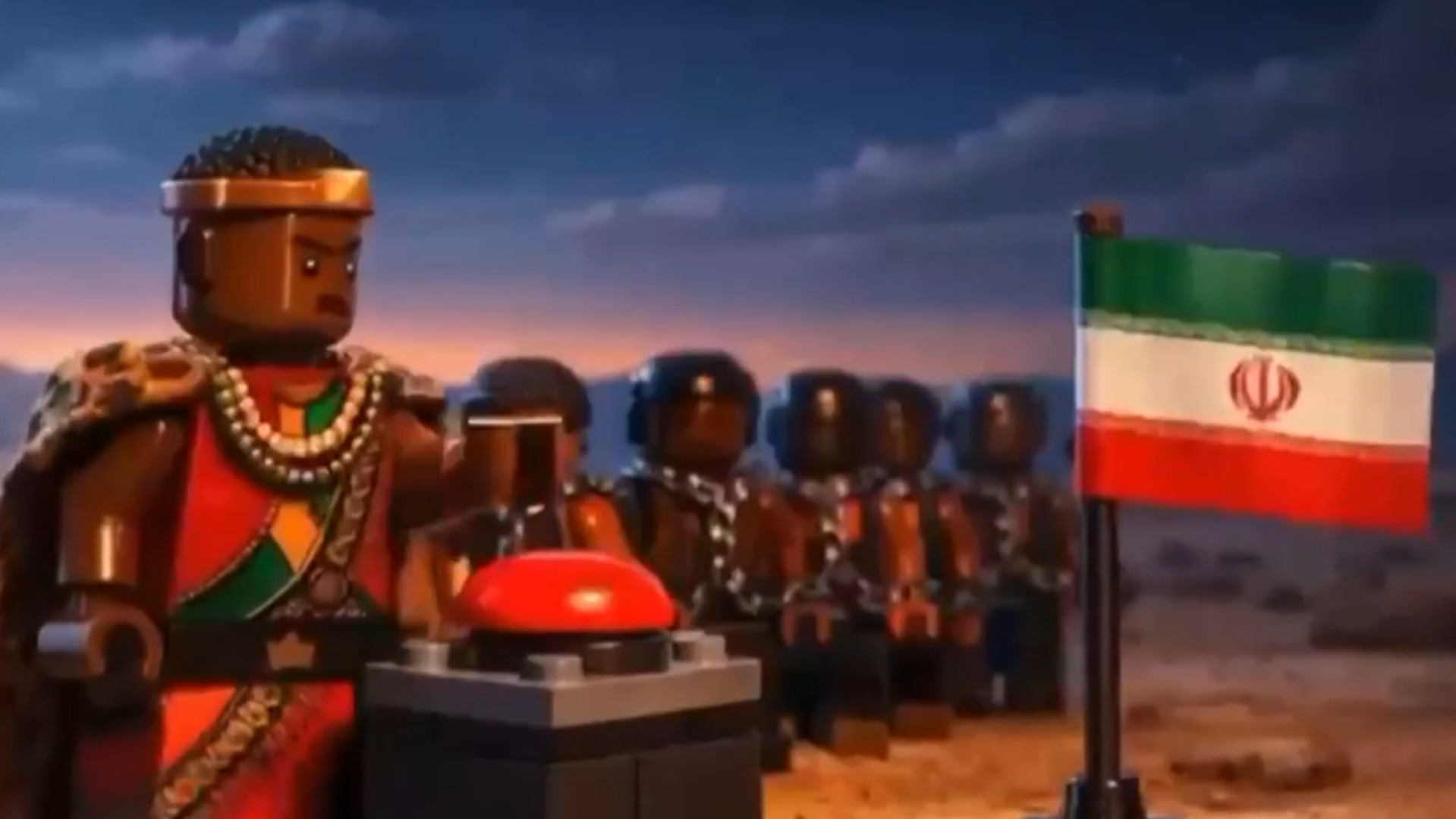
“The Iranians are winning the meme wars,” Uhlmann stated, highlighting Tehran’s growing prowess in deploying strategic communications across social media platforms to influence public opinion beyond its borders.
The assessment comes at a critical moment in Middle Eastern geopolitics. Iran’s digital influence operations have gained traction particularly following Israel’s October 7 response to Hamas and subsequent military campaigns, with Iranian-backed messaging finding receptive audiences across Europe, North America, and throughout the developing world.
Media experts note that Iran’s digital strategy appears to blend traditional propaganda techniques with modern viral content creation, allowing Tehran to amplify its messaging with relatively modest resources. This approach has proven particularly effective among younger demographics and on platforms like TikTok, Instagram, and Telegram.
“What we’re seeing is the evolution of information warfare,” explains Dr. Sanam Vakil, Deputy Director of the Middle East North Africa program at Chatham House. “Iran has learned valuable lessons from Russia and other state actors about how to deploy targeted messaging that undermines opposing narratives without necessarily promoting their own government directly.”
The Iranian campaigns typically focus on amplifying Palestinian suffering, highlighting civilian casualties in Gaza, and portraying Western support for Israel as morally compromised. These messages frequently gain traction beyond traditional pro-Iranian audiences, reaching mainstream communities in Western nations.
Social media analytics firms have tracked significant increases in engagement with Iranian-aligned content across multiple platforms since October. According to digital intelligence firm Graphika, content sympathetic to Iran’s regional positions has seen engagement increases of over 200% on some platforms compared to pre-conflict levels.
Australian strategic communications expert Professor Alan Tidwell from Georgetown University suggests this represents a concerning trend. “Democratic nations often struggle to counter this type of messaging because they’re constrained by commitments to factual accuracy and transparency. Authoritarian regimes face no such constraints and can rapidly adjust narratives as needed.”
The Iranian social media strategy appears to complement its broader regional approach, which includes material support for proxy groups like Hezbollah in Lebanon, Hamas in Gaza, and the Houthis in Yemen. By coupling physical proxy warfare with digital influence operations, Iran has created a multidimensional pressure campaign against Israel and its allies.
Defense analysts point out that information operations provide Iran with strategic advantages at minimal cost. “For the price of maintaining a social media team, Iran can influence global opinion and potentially drive wedges between Western allies,” notes former Australian defense intelligence officer Marcus Thompson.
The Australian government has grown increasingly concerned about foreign influence operations targeting domestic audiences. The Department of Home Affairs has established specialized units to monitor and counter such campaigns, though officials acknowledge the challenges in addressing content that doesn’t explicitly violate platform rules but collectively shapes public sentiment.
Sky News’ highlighting of Iran’s digital influence comes as Australian policymakers grapple with how democratic societies should respond to information operations without compromising free speech principles or engaging in counter-propaganda.
Media literacy experts suggest that the most effective countermeasure involves educating citizens to better identify coordinated information campaigns. “The goal isn’t censorship but critical consumption,” says Dr. Claire Wardle, co-founder of the Information Futures Lab. “People need the tools to recognize when they’re being targeted by strategic messaging campaigns.”
As tensions in the Middle East show no signs of abating, the digital battlespace appears certain to remain contested territory, with Iran demonstrating that effective online campaigns can deliver strategic advantages that extend far beyond conventional military power.
Fact Checker
Verify the accuracy of this article using The Disinformation Commission analysis and real-time sources.
