


Listen to the article
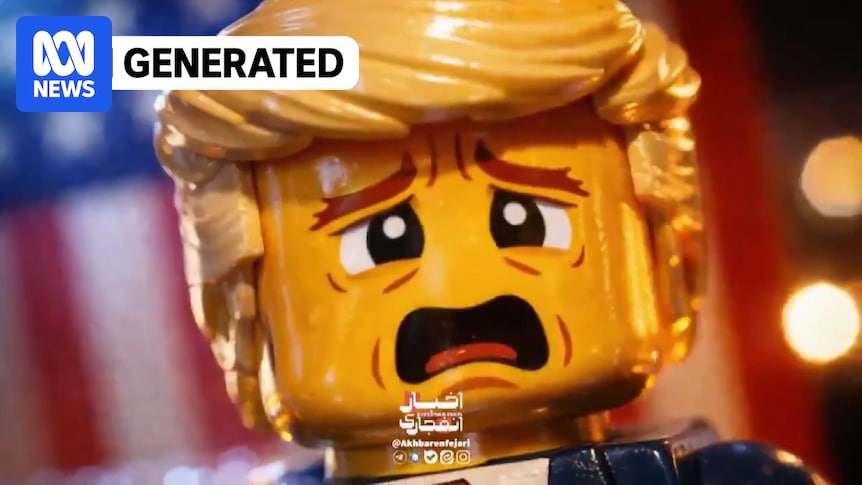
Iranian cyber operatives have begun using artificial intelligence to create cartoon-like Lego animations as part of their latest propaganda efforts, according to a recent investigation by cybersecurity experts.
The campaign marks a significant evolution in Iran’s digital influence operations, which have traditionally relied on more conventional methods such as fake news websites, social media accounts, and doctored images. These new AI-generated animations feature colorful Lego-style characters acting out political narratives that align with Iranian government messaging.
Digital forensics specialists identified several videos circulating on social media platforms that depicted simplified geopolitical scenarios using toy-like figures. The animations often portray Western nations, particularly the United States, in a negative light while presenting Iran and its allies in more favorable terms.
“We’re witnessing a sophisticated adaptation of propaganda techniques,” said Dr. Marina Kovalev, a disinformation researcher at the Digital Policy Institute. “These animations might seem harmless or even childish at first glance, but they’re designed to simplify complex international relations into digestible narratives that support specific viewpoints.”
The videos typically run between 30 seconds and two minutes and cover contentious topics including Middle East conflicts, nuclear negotiations, and economic sanctions. By using an aesthetic reminiscent of children’s toys and animation, the content may appear more innocuous than traditional propaganda.
Security officials believe the approach represents a calculated attempt to bypass content moderation systems and reach new audiences. The toy-like imagery may help these messages spread more widely than conventional propaganda, which is often flagged and removed by automated systems on major platforms.
“The use of seemingly innocent animation styles creates a cognitive disconnect,” explained Thomas Weber, a former intelligence analyst now working in private cybersecurity. “Viewers might process these messages differently than they would typical political content, potentially lowering their critical thinking defenses.”
Iran has invested significantly in its cyber capabilities over the past decade, with state-backed groups regularly implicated in disinformation campaigns targeting domestic critics and foreign adversaries. This pivot to AI-generated content indicates how nation-state actors are quickly adapting to emerging technologies to enhance their influence operations.
The Australian Broadcasting Corporation first reported on these animations after digital rights monitors flagged unusual patterns in their distribution. Further investigation revealed technical signatures linking the content to known Iranian influence networks previously identified by cybersecurity firms and intelligence agencies.
Social media companies have struggled to keep pace with the rapidly evolving tactics. Meta, which owns Facebook and Instagram, reported removing several networks of accounts sharing these animations in recent months, while Twitter (now X) and TikTok have also taken action against related content.
“The technological barriers to creating this type of content are dropping rapidly,” said Yasmin Shah, policy director at the Center for Digital Resilience. “What required significant resources and technical expertise just months ago can now be produced with commercially available AI tools and minimal training.”
Experts warn this trend is likely to accelerate as AI content generation becomes more accessible and realistic. The development poses new challenges for fact-checkers, platform moderators, and ordinary users trying to navigate an increasingly complex information landscape.
International relations specialists are concerned about the broader implications. “When foreign actors can easily create visually appealing content that simplifies complex geopolitical issues into misleading narratives, it complicates diplomatic efforts and public understanding of critical international matters,” noted Dr. Robert Chen, professor of international security studies at Georgetown University.
As AI-generated content becomes increasingly sophisticated and prevalent, digital literacy experts emphasize the growing importance of critical media consumption. They recommend that users question the source and intent behind unusual or emotionally resonant content, particularly when it presents simplified versions of complex political situations.
Platform companies, researchers, and government agencies are now racing to develop more effective detection methods and regulatory frameworks to address these evolving challenges in the digital information ecosystem.
Fact Checker
Verify the accuracy of this article using The Disinformation Commission analysis and real-time sources.

8 Comments
This latest move by Iran showcases the evolving nature of information warfare in the digital age. As propaganda techniques become more sophisticated, it’s vital that we remain vigilant and fact-check the content we consume.
This is an interesting development in Iran’s propaganda tactics. Using AI-generated Lego-style animations to simplify and distort complex geopolitical issues is certainly a clever approach to try to sway public opinion.
While the cartoonish nature of these videos might make them seem harmless, it’s important to recognize the insidious intent behind them. Spreading misinformation and biased narratives, even through seemingly innocuous means, can have real-world consequences.
Absolutely. We need to be vigilant and critically evaluate the messages being pushed, no matter how visually appealing the delivery might be.
The use of Lego-style animations is a clever way to make complex geopolitical issues seem simpler and more palatable. However, we must be cautious not to let the aesthetic distract us from the underlying agenda.
It’s concerning to see how rapidly propaganda techniques are evolving, leveraging new technologies like AI to create more engaging and persuasive content. We must remain alert to these tactics and call out attempts to distort the truth.
While the technical prowess behind these AI-generated animations is impressive, the ultimate goal is to sow discord and advance Iran’s political narratives. We should be wary of falling for the superficial charm of these videos.
Exactly. It’s crucial to maintain a critical eye and not let the visual appeal blind us to the manipulative intent behind these propaganda efforts.