


Listen to the article
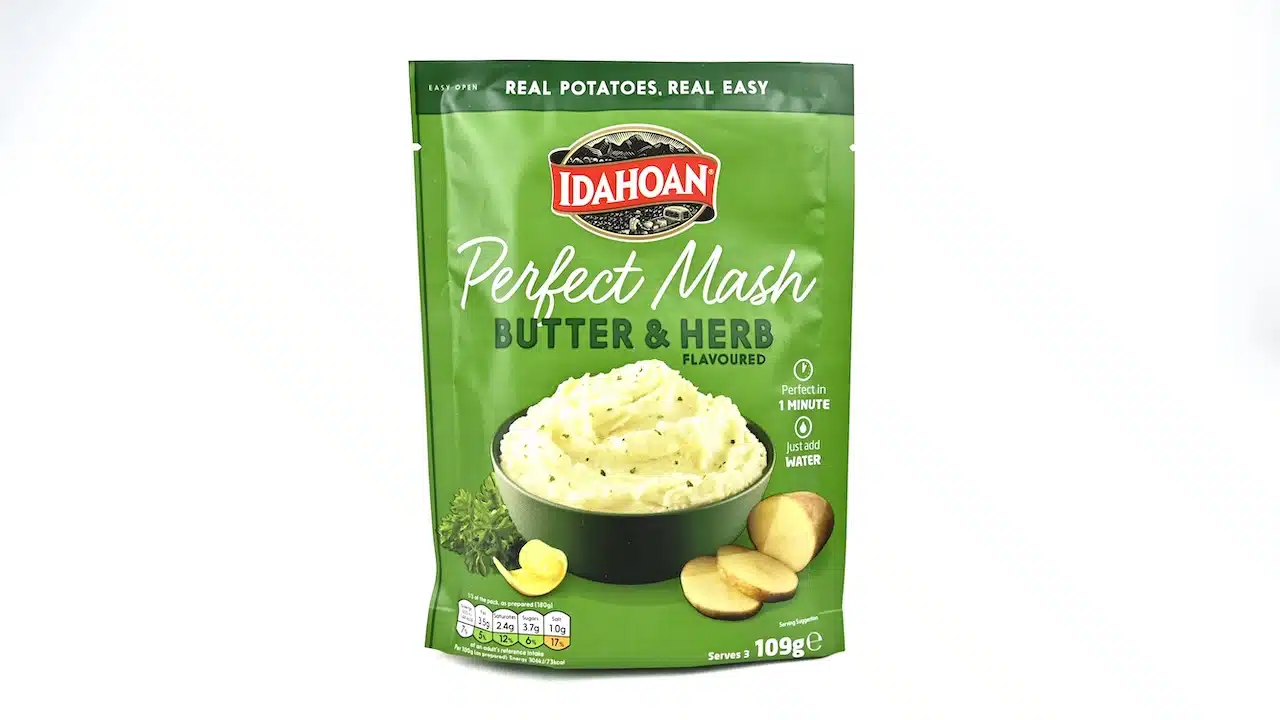
A class action lawsuit filed in New York state court alleges that Idahoan Foods LLC has misled consumers by falsely advertising its instant mashed potato products as containing significant amounts of butter when the actual butter content is minimal.
Plaintiff Richard Alonzo claims that Idahoan’s products marketed as “Butter & Herb” and “Russet Potatoes with Butter & Parsley” contain only trace amounts of butter, despite packaging that prominently features butter as a key ingredient. According to the lawsuit, this marketing strategy leads consumers to expect that butter is either the exclusive or predominant fat ingredient in the products.
The legal complaint specifically points out that butter appears far down in the ingredient list, after additives such as “Mono- and Diglycerides” and “Calcium Stearoyl Lactylate,” suggesting its presence is negligible compared to other ingredients. Alonzo argues that butter only appears in quantities greater than “Spice,” which is typically used in minimal amounts.
Alonzo contends that Idahoan charges a premium price—approximately $1.49—for these products based on misleading representations. “This price is higher than the Product would be sold for, if it were represented in a non-misleading way,” the lawsuit states.
The case highlights growing consumer concerns about food labeling transparency, particularly regarding natural ingredients. The plaintiff argues that many consumers specifically seek out butter-containing products because butter is perceived as a natural, nutrient-dense option compared to highly processed vegetable oils that may contain trans fats. The lawsuit suggests that Idahoan is exploiting this consumer preference to charge higher prices without delivering on the implied promise of substantial butter content.
Food industry analysts note that this case joins a growing trend of litigation targeting food companies for allegedly deceptive labeling practices. In recent years, consumers have become increasingly vigilant about ingredient claims, particularly those that suggest natural or premium components.
The lawsuit seeks to represent all New York consumers who purchased Idahoan’s instant mashed potatoes for personal, family, or household consumption during the applicable statute of limitations period. Alonzo is asking for actual damages for himself and all class members, claiming that Idahoan violated New York’s General Business Law through its marketing practices.
Spencer Sheehan of Sheehan & Associates P.C. is representing the plaintiff in this case. The law firm has been involved in numerous similar consumer class actions challenging food marketing claims across various product categories.
This isn’t the only deceptive marketing lawsuit currently making headlines in the food industry. The complaint mentions another ongoing case against Dreyer’s Grand Ice Cream, which faces allegations that its Outshine frozen fruit bars are deceptively marketed as “made with real fruit” and plant-based ingredients when they allegedly contain high levels of added sugar, synthetic components, and artificial flavors.
The Idahoan case, formally titled Alonzo v. Idahoan Foods LLC (Case No. 166090/2025), is currently pending in the Supreme Court of the State of New York, County of New York.
Food marketing experts suggest these types of lawsuits could potentially reshape how companies advertise ingredient claims, particularly those focusing on natural, premium components that consumers are willing to pay more to obtain. The outcome could influence labeling practices not just for potato products but across the broader packaged food industry.
Idahoan Foods has not yet publicly responded to the allegations in the lawsuit. The company, based in Idaho as its name suggests, is one of the largest producers of instant mashed potato products in the United States.
Fact Checker
Verify the accuracy of this article using The Disinformation Commission analysis and real-time sources.

8 Comments
Interesting case. It’s important for food companies to be transparent about their ingredients so consumers can make informed choices. Misleading marketing around butter content could definitely lead to consumer deception and overcharging.
I’m curious to see what the outcome of this lawsuit will be and if it leads to changes in how these potato products are marketed in the future. Transparency is key.
This situation highlights the need for stronger regulations and enforcement around food marketing claims. Consumers deserve accurate information to make purchasing decisions.
As a regular mashed potato eater, I’m curious to learn more about the labeling and ingredient standards for these types of products. Transparency around fat and butter content is important, especially for health-conscious consumers.
This seems like a common tactic in the food industry – highlighting a premium ingredient like butter to justify a higher price, even if the actual amount is minimal. It’s good to see consumers pushing back through the courts.
This is an interesting case that touches on broader issues of food labeling and consumer trust. It will be worth following to see if it leads to any industry-wide changes.
As someone who enjoys mashed potatoes, I’m concerned to hear about potential misrepresentation of ingredients. Transparency is crucial, especially for health-related claims.
This lawsuit raises important questions about the accuracy of food marketing and the need for stronger consumer protections. Hopefully it leads to meaningful reforms.