


Listen to the article
The rapid spread of misinformation in today’s digital environment poses significant challenges to responsible reporting, according to Permanent Secretary for Information Eseta Nadakuitavuki, who has called for greater vigilance in verifying facts before sharing content.
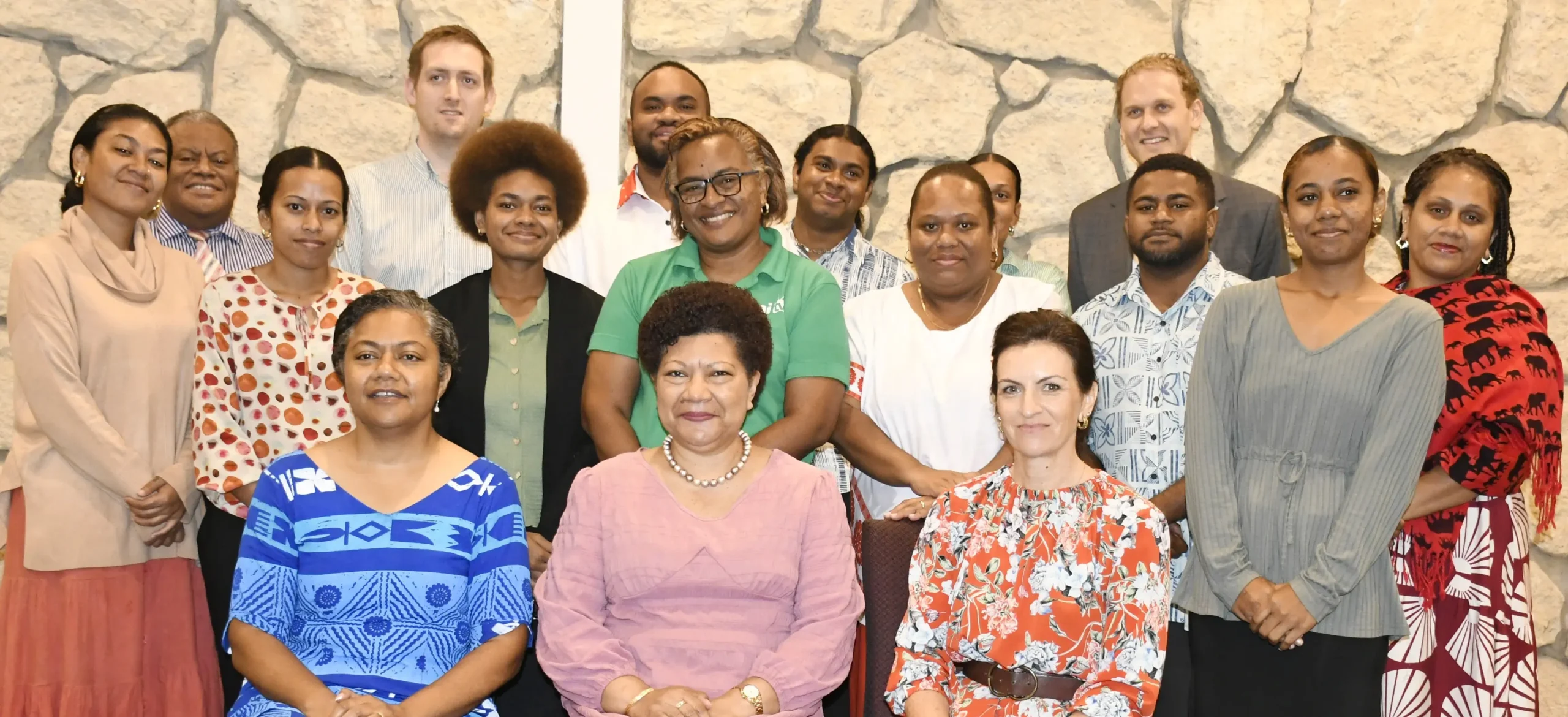
Speaking at a fact-checking workshop in Suva yesterday, Nadakuitavuki emphasized that the accelerating pace of information dissemination has created new obstacles for both government officials and media professionals.
“We are living in an age where information moves faster than ever before,” Nadakuitavuki told attendees. “While this ensures that people are informed in a timely manner, it also presents significant challenges. Misinformation and disinformation can spread just as quickly, often blurring the line between fact and fiction.”
The Permanent Secretary revealed that her ministry regularly encounters misleading or confidential information circulating on social platforms that requires verification, highlighting the growing need for fact-checking protocols in Fiji’s information ecosystem.
“Facts are not just important, they are essential. Just as food sustains us, facts sustain a healthy society. They are the foundation and driving force of any democratic nation,” she said.
The rise of artificial intelligence technologies has exacerbated these challenges, making it increasingly difficult to distinguish between authentic and fabricated content. According to Nadakuitavuki, sophisticated AI tools have made it easier than ever to create and distribute false information across digital platforms.
“In this evolving landscape, fact-checking has become more important than ever. It is no longer the responsibility of a few, but a shared duty,” she emphasized, calling on journalists and the general public alike to adopt more rigorous verification practices.
Nadakuitavuki suggested a three-question framework that everyone should consider before sharing content: “Is it true? Is it reliable? And if I share it, will it help others or will it hurt others?”
The responsibility falls particularly heavily on mainstream media outlets, where professional reputations and public trust hang in the balance. “For journalists, fact-checking is at the heart of credibility and public trust,” Nadakuitavuki noted.
Her comments come at a particularly sensitive time for Fiji, as the nation approaches upcoming elections—periods that typically see a surge in false information. Political campaigns and electoral processes worldwide have increasingly become targets for disinformation efforts, and Fiji appears to be no exception to this trend.
“The race to break news should never come at the cost of accuracy, professionalism, cyberbullying or truth,” she cautioned, urging media professionals to maintain ethical standards even under competitive pressure to publish quickly.
Nadakuitavuki also addressed the relationship between journalists and government authorities, noting that officials sometimes require adequate time to properly respond to inquiries. She encouraged patience and professionalism in these interactions to ensure accuracy in reporting.
The Fijian government, according to Nadakuitavuki, remains committed to collaborating with media organizations to promote accurate reporting and responsible communication practices across all platforms.
The workshop itself represents part of this collaborative approach, having been organized with support from the Australian Government and the Australian Associated Press. The training aims to equip both journalists and government communication officers with essential skills to identify, verify, and counter misinformation.
This initiative reflects a growing global recognition that combating false information requires coordinated efforts across sectors, particularly in smaller media markets where resources for extensive fact-checking operations may be limited.
As digital platforms continue to evolve and artificial intelligence tools become more sophisticated, the challenges of maintaining information integrity will likely intensify, making such training initiatives increasingly valuable for preserving democratic discourse in Fiji and beyond.
Fact Checker
Verify the accuracy of this article using The Disinformation Commission analysis and real-time sources.

10 Comments
The government’s acknowledgment of the challenges posed by the rapid dissemination of information is a positive step. Fact-checking protocols will be key to navigating this evolving media landscape responsibly.
The Permanent Secretary’s emphasis on the importance of facts for a healthy society is well-taken. Maintaining the distinction between fact and fiction is crucial, especially with sensitive government information circulating on social media.
Exactly. Fact-checking has become an indispensable tool to combat the rise of misinformation and disinformation in the digital age.
The comparison of facts to sustenance for a healthy society is an apt analogy. Maintaining the integrity of information is crucial for an informed citizenry and effective governance.
It’s concerning to hear about the spread of misleading or confidential information on social media platforms. Robust fact-checking measures are essential to uphold the credibility of official communications.
Fact-checking is critical in today’s digital environment where misinformation can spread rapidly. The government’s call for greater vigilance in verifying facts before sharing content is a prudent step to maintain public trust and a healthy information ecosystem.
Agreed. The accelerating pace of information dissemination has created new challenges, making fact-checking protocols essential for officials and media professionals alike.
This is a timely reminder that responsible reporting requires diligent fact-verification, even as the speed of information sharing increases. The government’s proactive stance on this issue is commendable.
I’m curious to learn more about the specific fact-checking protocols being developed in Fiji to address this challenge. Transparency in this process would be valuable for the public.
As someone with a keen interest in the mining and commodities sector, I appreciate the government’s focus on maintaining factual reporting. Accurate information is vital for investment decisions and public policy debates.