


Listen to the article
FactCheckAfrica Launches Initiative to Combat Electoral Disinformation Across the Continent
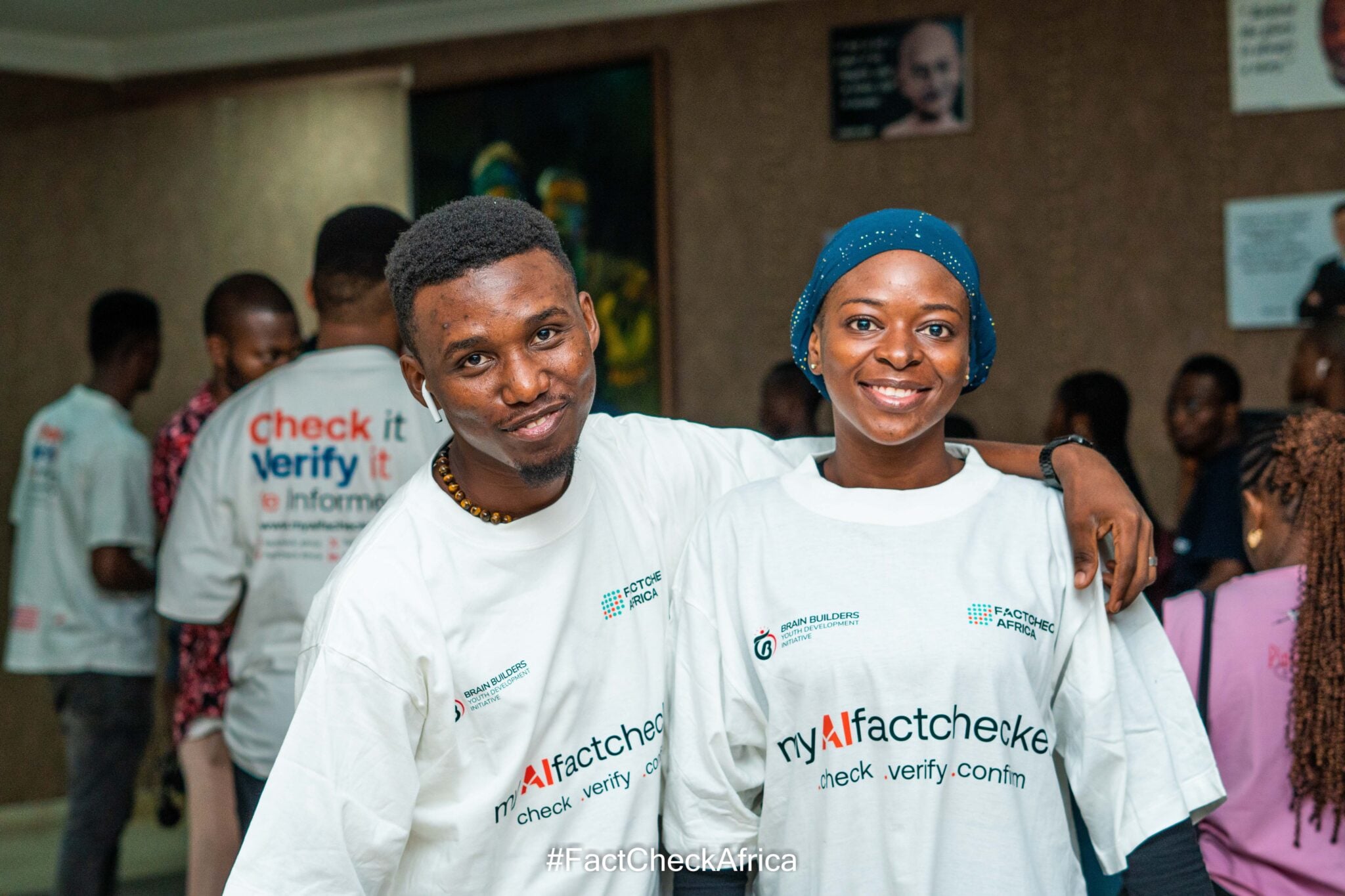
FactCheckAfrica has secured a significant technical assistance contract to train media practitioners and social media influencers on combating disinformation in electoral contexts across Africa. The initiative aims to strengthen information integrity during elections, a period when misinformation typically proliferates at dangerous levels.
The program comes at a critical time when several African nations are approaching electoral cycles, with growing concerns about the impact of false information on democratic processes. Digital misinformation has become increasingly sophisticated, with AI-generated content and deepfakes posing new challenges to electoral integrity.
“The spread of false information during elections can have severe consequences for democratic processes,” said a spokesperson for FactCheckAfrica. “Our training program is designed to equip journalists and influential voices with the tools to identify, verify, and effectively counter misleading narratives before they gain traction.”
The comprehensive training will focus on developing practical verification skills, understanding how misinformation spreads in digital ecosystems, and implementing ethical approaches to debunking false claims. Participants will learn advanced fact-checking methodologies tailored to the unique challenges faced in African electoral contexts.
Media practitioners selected for the program will represent diverse news organizations from across the continent, while the inclusion of social media influencers recognizes their growing role as information gatekeepers for younger demographics. This dual approach acknowledges how information consumption patterns have evolved, with traditional and social media playing complementary roles in shaping public opinion.
The initiative reflects a growing recognition that combating electoral disinformation requires a multi-stakeholder approach. Recent studies have shown that false information spreads up to six times faster on social platforms than accurate news, making rapid verification and response critical during election periods.
“What makes this program unique is its focus on the specific disinformation challenges we face in African elections,” noted a media expert familiar with the initiative. “Context matters tremendously in fact-checking, and approaches that work in Western democracies don’t always translate effectively to our political environments.”
The program will also address the technological dimensions of disinformation, including the use of artificial intelligence to generate misleading content and the manipulation of media to create false narratives. Participants will receive training on digital forensics and verification tools specifically designed for resource-constrained environments.
Electoral management bodies across the continent have welcomed the initiative. “Disinformation undermines voter confidence and can lead to contested results or even violence,” commented an electoral commissioner from a West African nation. “Having trained professionals who can quickly verify claims and correct the record is essential for peaceful, legitimate elections.”
FactCheckAfrica’s work comes amid broader concerns about information integrity on the continent. A 2025 report by the Digital Democracy Initiative found that 78% of surveyed African voters had encountered what they believed to be false information about candidates or electoral processes during recent elections.
The organization plans to build a continent-wide network of trained fact-checkers who can collaborate during election periods, sharing resources and methodologies across borders. This approach recognizes that disinformation campaigns often transcend national boundaries, with similar tactics deployed across multiple countries.
“This isn’t just about combating individual false claims,” explained the project coordinator. “It’s about building resilience in Africa’s information ecosystem and empowering citizens to make informed electoral choices based on verified facts rather than manipulation.”
The first training sessions are scheduled to begin next month, prioritizing countries with upcoming elections. FactCheckAfrica plans to release public resources from the program to benefit journalists and civil society organizations unable to participate directly in the training.
Fact Checker
Verify the accuracy of this article using The Disinformation Commission analysis and real-time sources.

7 Comments
This initiative comes at a pivotal time, as several African nations prepare for elections. Strengthening information integrity during these critical periods is essential for upholding democratic values. I hope the training program sees widespread participation and tangible impact.
This is a crucial initiative to combat disinformation during elections in Africa. Equipping journalists and influencers with verification skills is key to upholding democratic integrity. I hope this program can make a real impact in the region.
Deepfakes and other technologically-advanced forms of disinformation pose new hurdles for verifying online content. FactCheckAfrica’s focus on developing practical verification capabilities is a smart approach to tackling this evolving challenge.
Agreed. Cutting-edge disinformation tactics require equally sophisticated detection and response methods. This training program seems well-positioned to help media and influencers stay ahead of the curve.
Combating electoral disinformation is an ongoing challenge, especially with the rise of AI-generated content. I’m curious to learn more about the specific training methods FactCheckAfrica will be using to equip participants with practical skills.
Disinformation is a growing threat to free and fair elections worldwide. I’m glad to see FactCheckAfrica taking proactive steps to train media and influencers on identifying and countering false narratives. This kind of work is vital for protecting the democratic process.
Absolutely. Building media literacy and verification capabilities among key information distributors is a smart approach. Misinformation can spread like wildfire, so getting ahead of it is critical.