


Listen to the article
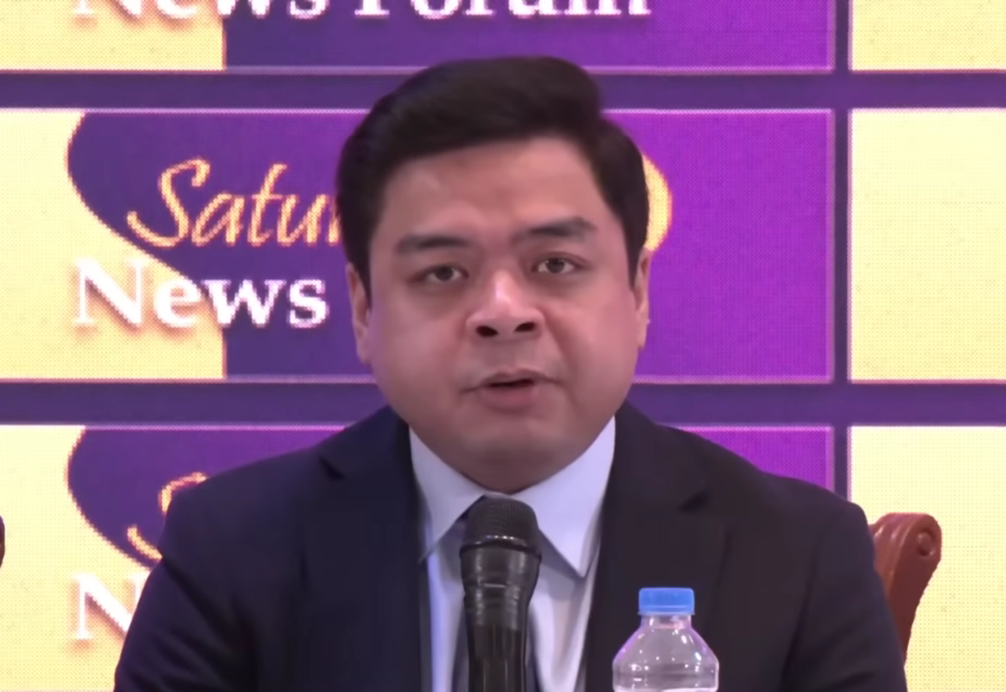
In a bold move targeting organized disinformation networks, Bicol Saro party-list Representative Terry Ridon filed House Resolution 980 on Monday, calling for a congressional investigation into the operations of Peanut Gallery Media Network (PGMN). The inquiry aims to examine not only the network’s alleged disinformation activities but also its tax compliance and potential tax evasion issues.
The resolution aligns with House Speaker Faustino Dy III’s broader campaign against fake news but takes a more comprehensive approach by scrutinizing the organizational structure, operational methods, and financial accountability of entities involved in systematic disinformation.
“If these disinformation operations are monetized—and there are strong indications that they are—then the question is simple: are they properly declared, taxed, and regulated? Otherwise, this raises serious concerns of tax evasion,” Ridon stated when introducing the resolution.
The investigation was prompted by viral content attributed to PGMN that allegedly showed a surge in electricity bills. Upon closer examination, these materials featured different Customer Account Numbers (CANs), raising red flags about deliberate misrepresentation of facts to manipulate public opinion on utility costs.
“For ordinary Filipino households already burdened by high electricity costs, this is not just irresponsible—it is deceptive,” Ridon emphasized. “Real issues should not be exploited through fabricated or misleading content.”
The resolution seeks to determine whether such activities are part of a coordinated and systematic effort to manipulate public perception on critical national issues. This comes at a time when disinformation has become a growing concern in the Philippines, where social media penetration is among the highest in Southeast Asia, making the population particularly vulnerable to orchestrated misinformation campaigns.
Ridon’s initiative calls for collaboration between the House and multiple government agencies, including the National Bureau of Investigation and the Bureau of Internal Revenue, to identify possible violations of laws relating to disinformation, unlawful business practices, and tax compliance.
The comprehensive investigation would encompass not only PGMN but also its owners, partners, and affiliated entities. This approach reflects growing concerns about the professionalization of disinformation networks in the country, where what once might have been dismissed as isolated instances of “fake news” has evolved into sophisticated operations with potential financial backers and organized structures.
“We will not allow legitimate public concerns to be weaponized by disinformation networks,” Ridon declared. “This is about protecting the public—not only from fake news, but from coordinated operations that exploit real issues for influence, profit, or manipulation.”
The resolution is expected to be referred to the House Committee on Public Information for appropriate action and further deliberation.
The move comes amid increasing global scrutiny of disinformation networks and their impact on public discourse and democratic processes. In the Philippines specifically, concerns about disinformation have intensified in recent years, particularly during election periods and around contentious policy issues.
If the investigation proceeds as proposed, it could set a precedent for addressing disinformation not just as a media or free speech issue, but as a matter with serious financial, regulatory, and tax implications. By focusing on the business aspects of disinformation operations, lawmakers appear to be seeking new approaches to combat an evolving threat to public information integrity.
The resolution represents one of the most direct legislative responses to date targeting the financial infrastructure that potentially supports and profits from orchestrated misinformation in the Philippine media landscape.
Fact Checker
Verify the accuracy of this article using The Disinformation Commission analysis and real-time sources.

10 Comments
The House resolution seems like a comprehensive approach to tackling disinformation. Examining the organizational structure and operational methods is key to understanding the scale and impact of these activities.
Agreed. A multi-pronged investigation focusing on both the content and the financial aspects is necessary to address this problem effectively.
I hope the investigation is thorough and provides insights into the broader ecosystem of disinformation networks. Tackling this problem requires a deep understanding of their tactics and motivations.
Absolutely. Shining a light on the financial incentives and potential tax evasion issues could be a key part of dismantling these disinformation operations.
This is concerning if there are organized efforts to spread disinformation, especially if it involves potential tax evasion. A thorough investigation is warranted to understand the scope and methods used by these networks.
Agreed. Disinformation can have serious consequences, so it’s important to hold these entities accountable through proper legal channels.
Investigating the financial aspects of these disinformation operations is a smart move. If they’re monetizing their activities, then the tax implications need to be examined closely.
Absolutely. Disinformation should not be a profitable enterprise, so looking into the tax compliance is a crucial part of the inquiry.
This is an important issue that deserves attention. Disinformation can undermine public trust and have real-world consequences, so I’m glad to see it being addressed at the congressional level.
I’m curious to learn more about the specific tactics and methods used by this Peanut Gallery Media Network. Viral content featuring fake electricity bill spikes is quite concerning.