


Listen to the article
Lawmaker Calls for Investigation into Alleged Disinformation Network
A Philippine lawmaker has initiated a congressional inquiry into what he describes as organized disinformation operations, targeting both the content and financial structures of entities allegedly spreading false information.
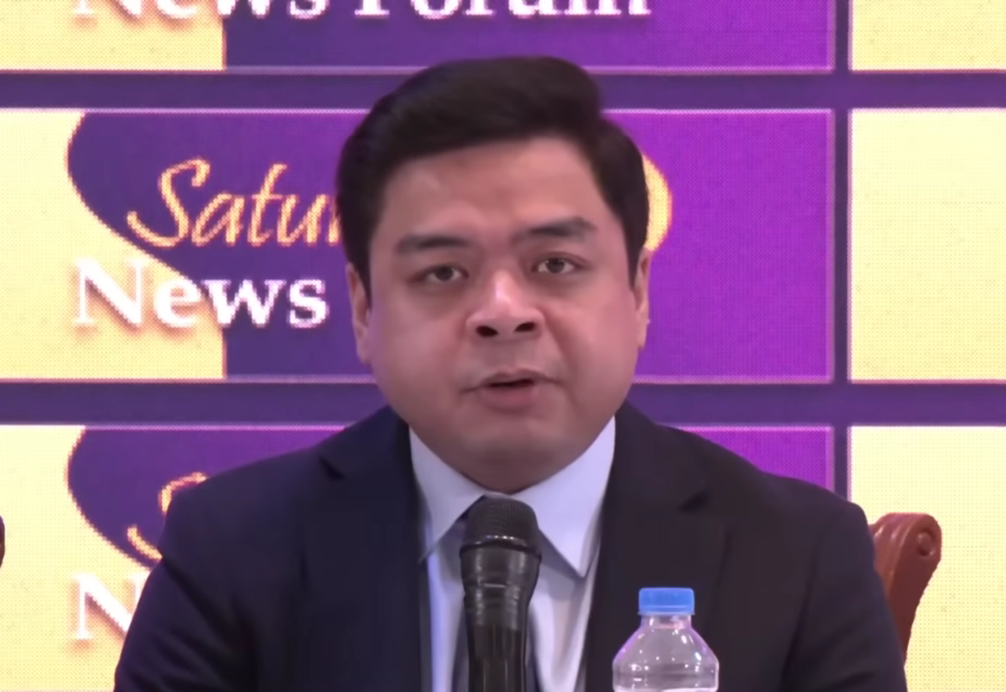
Bicol Saro party-list Representative Terry Ridon filed House Resolution 980 on Monday, calling for an investigation into the Peanut Gallery Media Network (PGMN) over allegations of spreading misinformation while potentially evading proper taxation on its operations.
The resolution aligns with House Speaker Faustino Dy III’s broader campaign against fake news but expands the focus to include scrutiny of business operations and financial accountability of entities involved in systematic disinformation campaigns.
“If these disinformation operations are monetized—and there are strong indications that they are—then the question is simple: are they properly declared, taxed, and regulated? Otherwise, this raises serious concerns of tax evasion,” Ridon stated.
At the center of the controversy is viral content allegedly distributed by PGMN showing what appeared to be a surge in electricity bills. Upon closer inspection, these materials featured different Customer Account Numbers (CANs), suggesting deliberate misrepresentation aimed at stoking public outrage over utility costs.
“For ordinary Filipino households already burdened by high electricity costs, this is not just irresponsible—it is deceptive,” Ridon emphasized. “Real issues should not be exploited through fabricated or misleading content.”
The resolution calls for a comprehensive investigation into not just the content itself, but the entire operational structure behind such campaigns, including ownership patterns, business partnerships, and financial arrangements. This approach represents a significant shift in how Philippine lawmakers are addressing the disinformation problem, moving beyond content moderation to examine the economic infrastructure supporting misinformation networks.
The investigation would involve coordination between multiple government agencies, including the National Bureau of Investigation and the Bureau of Internal Revenue, to determine possible violations across several legal domains. These could include laws relating to disinformation, unlawful business practices, and tax compliance.
The issue touches on growing concerns in the Philippines about the proliferation of coordinated disinformation campaigns that exploit legitimate public anxieties. Energy costs have been a particularly sensitive topic in the country, where electricity rates rank among the highest in Southeast Asia. Misinformation about utility bills can quickly generate public outrage and distrust in institutions.
Media experts have noted that disinformation operations in the Philippines have evolved significantly in recent years, with sophisticated networks developing business models around creating and amplifying controversial content. These operations often monetize through advertising revenue, paid sponsorships, or direct funding from interested parties seeking to influence public opinion.
“We will not allow legitimate public concerns to be weaponized by disinformation networks,” Ridon said. “This is about protecting the public—not only from fake news, but from coordinated operations that exploit real issues for influence, profit, or manipulation.”
The resolution is expected to be referred to the House Committee on Public Information for further action. If approved, hearings could establish a precedent for how the Philippine government approaches the dual challenges of content regulation and financial accountability in the digital information ecosystem.
The move comes amid increasing global attention to the business of disinformation, with regulators in various countries exploring ways to address not just the content of fake news, but the economic incentives that drive its production and distribution.
Fact Checker
Verify the accuracy of this article using The Disinformation Commission analysis and real-time sources.

9 Comments
Allegations of organized disinformation campaigns are concerning, especially if they involve potential tax evasion. I’ll be watching this inquiry with interest to see what evidence emerges and what policy responses, if any, are proposed.
This seems like a complex issue without easy solutions. I hope the inquiry is conducted thoroughly and objectively to uncover the facts, rather than rushing to conclusions. Responsible oversight of online content is crucial but must be balanced carefully.
Well said. Addressing disinformation is vital, but the process has to be fair and transparent to maintain public trust.
This highlights the challenges of regulating the online information ecosystem. Balancing free speech with addressing malicious actors spreading false narratives is no easy task. I hope the inquiry leads to constructive solutions, not just finger-pointing.
A fair point. Tackling disinformation requires nuanced policymaking to avoid overbroad restrictions. Transparency and accountability seem crucial, but the details will matter greatly.
Interesting to see lawmakers trying to address the complex issue of online disinformation. Scrutinizing the financial aspects could be an important angle to explore. I wonder what other approaches might be effective in combating systematically-spread misinformation.
Agreed, the financial incentives behind disinformation networks are an important part of the puzzle. Curious to see what evidence the investigation uncovers.
The alleged tactics of creating misleading viral content to potentially evade taxes is quite concerning. I’ll be interested to see if the investigation can substantiate the claims and determine the scale of this problem.
Yes, the financial angle is an important one to explore. Disinformation can’t be allowed to become a lucrative business model.