


Listen to the article
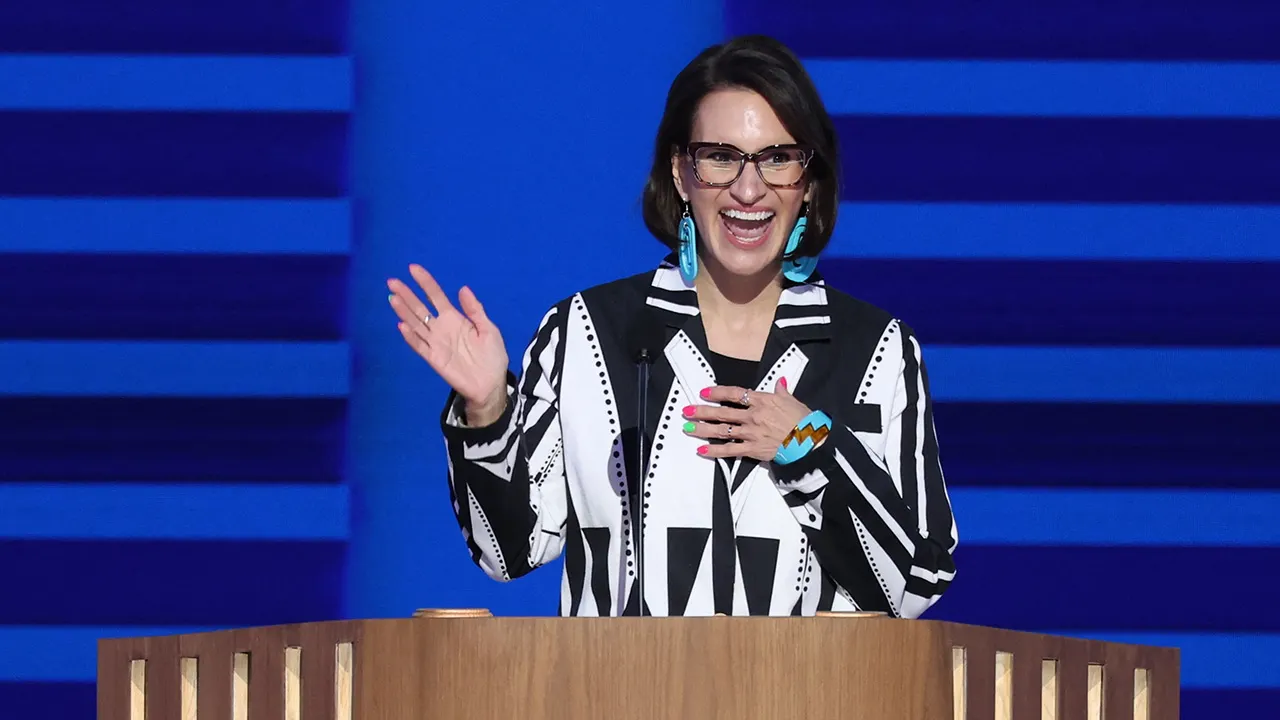
Minnesota’s Lieutenant Governor Peggy Flanagan strongly criticized the Laken Riley Act during a “Stop Oligarchy” rally featuring Senator Bernie Sanders over the weekend, calling it a measure that gives Immigration and Customs Enforcement (ICE) “unprecedented power to totally terrorize our communities.”
Flanagan, who is currently running for the Democratic senatorial nomination to replace retiring Senator Tina Smith, made her remarks before a cheering crowd in Rochester, Minnesota. She currently trails Representative Angie Craig in polling for the primary, according to RealClearPolitics averages.
During her speech, Flanagan connected recent immigration enforcement actions in Minnesota to the passage of the Laken Riley Act, named after a nursing student murdered in Georgia in February. The legislation, sponsored by Republican Senator Katie Britt of Alabama, passed Congress with bipartisan support but has become increasingly controversial in Minnesota amid heightened ICE enforcement activities.
“We’ve got to zoom out for a second and we have to talk about how we got here, because this also wasn’t an accident,” Flanagan told the crowd. “Donald Trump ran on an agenda where we knew that ICE would be more powerful.”
She characterized the legislation as a vessel to “strip due process from immigrants and allow for indefinite detention of adults and children,” drawing a “straight line” from the congressional vote to unrest in communities like Minneapolis.
The lieutenant governor specifically called out Representative Craig, her primary opponent, who was the only Minnesota Democrat in Congress to vote for the measure. Craig recently published an op-ed in the Minnesota Star Tribune saying she now regrets her vote, explaining she initially supported it when she felt her constituents believed the Biden administration had “fumbled the immigration issue.”
In her reversal, Craig wrote that she believes Trump is going beyond the scope of law to carry out “sweeping immigration raids that have terrorized Minnesotans.”
Flanagan’s comments come amid reports of tension between her and Governor Tim Walz, with whom she serves as second-in-command. According to the Minnesota Reformer, their relationship has been strained since Walz’s unsuccessful vice presidential bid earlier this year.
During her speech, Flanagan invoked the names of Alex Pretti and Renee Good, two anti-ICE activists who were killed in law enforcement-involved shootings this year as Minnesota has experienced what she described as “anti-immigration enforcement chaos.”
The rally also featured Minnesota Attorney General Keith Ellison, another key figure in the Minneapolis protests and unrest over immigration enforcement.
The winner of the Democratic primary between Flanagan and Craig will face the Republican nominee in what could be a competitive general election. The GOP primary features former NBA player Royce White and former NBC Sunday Night Football reporter Michele Tafoya, with Republicans seeing an opportunity to flip a traditionally Democratic Senate seat.
Immigration has become a central issue in Minnesota politics, with demonstrations erupting in response to increased ICE enforcement actions across the state. These enforcement measures have sparked heated debates about federal immigration policies and their implementation at the local level.
The controversy highlights the growing divisions within the Democratic Party on immigration policy, with progressives like Flanagan taking harder stances against enforcement measures while more moderate members like Craig navigate shifting political winds in a battleground state.
Fact Checker
Verify the accuracy of this article using The Disinformation Commission analysis and real-time sources.

12 Comments
The Laken Riley Act is certainly a lightning rod issue. I respect Flanagan’s willingness to challenge it, even if it puts her at odds with some in her own party. These are the kinds of tough decisions candidates have to make on the campaign trail.
Absolutely. Principled stands on controversial topics can be risky, but they can also demonstrate leadership and authenticity. It will be interesting to see how voters respond.
Interesting to see the Lieutenant Governor criticize the Laken Riley Act so strongly. There seem to be valid concerns about its impact on immigrant communities, though I’m curious to learn more about the nuances of the legislation and its effects.
That’s a fair point. Evaluating legislation’s real-world impacts is important, especially on sensitive issues like immigration enforcement.
Flanagan’s stance on the Laken Riley Act is certainly a bold move in her Senate campaign. While the legislation received bipartisan support, her willingness to challenge it suggests she’s prioritizing the concerns of her constituents over political expediency.
That’s a fair assessment. Elected officials should be willing to buck party lines when they believe it’s the right thing to do. Flanagan’s position, even if controversial, demonstrates a commitment to principles over politics.
The Laken Riley Act is certainly a controversial piece of legislation. I appreciate Flanagan’s willingness to voice her concerns publicly, even if they differ from the bipartisan support the bill received in Congress.
Agreed. With complex issues like this, open debate and diverse perspectives are crucial for understanding the full implications.
Flanagan’s criticism of the Laken Riley Act raises valid questions about its impact on immigrant communities. As a policymaker, she has a responsibility to scrutinize legislation and its real-world effects, even if it means bucking her party’s position.
Well said. Nuanced, evidence-based analysis of policies is essential, especially on issues as sensitive as immigration enforcement. Kudos to Flanagan for engaging on this tough topic.
Flanagan’s criticism of the Laken Riley Act during her Senate campaign is noteworthy. As a candidate, she’s likely weighing the political risks and benefits of taking such a stance. It will be interesting to see how this plays out in the primary.
That’s a good observation. Campaign rhetoric can sometimes oversimplify nuanced policy debates, so it will be important to look at the substance of the arguments on both sides.