


Listen to the article
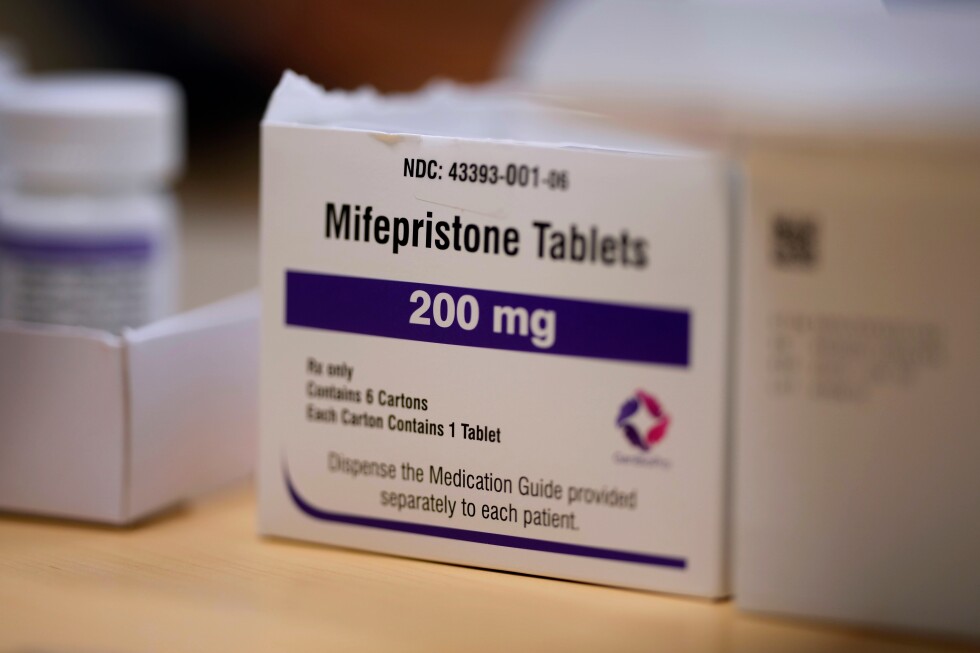
The Supreme Court on Monday intervened to preserve widespread access to mifepristone, a key abortion medication, temporarily blocking lower court restrictions that threatened to disrupt abortion care across the United States.
The order, signed by Justice Samuel Alito, maintains the current rules allowing women to obtain the abortion pill from pharmacies or through mail delivery without requiring an in-person doctor visit. These accessibility measures had been standard practice for several years until a federal appeals court moved to impose new limitations last week.
Mifepristone represents a crucial component in medication abortions, which now account for the majority of pregnancy terminations in the United States. Typically administered in combination with a second drug called misoprostol, these medications have become increasingly important following the Supreme Court’s 2022 decision to overturn Roe v. Wade, which eliminated the constitutional right to abortion.
Justice Alito’s temporary order will remain in effect for one week while the court considers additional arguments from both sides of the dispute. Manufacturers of mifepristone had filed emergency appeals asking the Supreme Court to intervene after the appeals court ruling threatened to significantly curtail access.
The legal challenge originated in Louisiana, where state officials sued to restrict mifepristone access, arguing that the drug’s availability undermined the state’s abortion ban. The case highlights the complex legal landscape that has emerged since the fall of Roe, with Republican-led states implementing strict abortion bans while Democratic-led states have enacted laws to protect telehealth providers who prescribe abortion medications to patients in states with restrictions.
Healthcare providers had been preparing contingency plans following Friday’s appeals court ruling. Dr. Angel Foster, founder of The Massachusetts Abortion Access Project, revealed that her organization had been ready to pivot to misoprostol-only regimens before the Supreme Court’s intervention allowed them to continue offering the standard two-drug protocol.
“Regardless of what happens with this regulatory issue, we and other groups will continue to provide high-quality abortion care to patients in all 50 states,” Foster said.
The court’s decision has drawn strong reactions from abortion opponents. Kristan Hawkins, president of Students for Life, an anti-abortion advocacy group, expressed disappointment with the ruling, stating that “pill pushers receive every benefit of the doubt” and criticizing what she characterized as allowing “pill traffickers and big pharma to operate temporarily” while the court considers arguments.
This case represents another significant abortion-related dispute to reach the Supreme Court since its landmark decision to overturn Roe v. Wade. The current legal battle centers not on constitutional rights but on regulatory authority and drug safety protocols.
Medical experts widely consider mifepristone safe and effective, with decades of data supporting its use. The Food and Drug Administration first approved mifepristone in 2000, and the agency has gradually expanded access over the years based on accumulated safety evidence and clinical experience.
The Supreme Court’s temporary action prevents what could have been significant disruption to abortion access in states where the procedure remains legal. Had the appeals court ruling taken effect, providers would have needed to quickly adapt their protocols and patients would have faced new barriers to care.
The case also illustrates how medication abortion has become a central battleground in the post-Roe era, with abortion opponents targeting the pills’ regulatory framework while abortion rights advocates work to maintain and expand telehealth access to these medications.
As the Supreme Court considers more comprehensive arguments in the coming days, healthcare providers, patients, and advocacy groups on both sides of the issue await a decision that could significantly impact how abortion care is delivered across the United States.
Fact Checker
Verify the accuracy of this article using The Disinformation Commission analysis and real-time sources.

8 Comments
This decision seems to strike a reasonable balance between legal precedent and practical healthcare needs. Maintaining telehealth access to mifepristone is important, but the long-term implications will likely require ongoing discussion and policymaking.
I’m curious to see how this plays out over the longer term. There are valid concerns around the safety and regulation of abortion medications, but also the need to protect reproductive rights and healthcare access.
As someone who follows the mining and energy sectors, I don’t have a strong opinion on this particular issue. However, I’m interested in how it may impact the availability and supply chains for the raw materials needed to produce these medications.
That’s a good point. Any disruptions to the supply of key pharmaceutical ingredients could have ripple effects across multiple industries.
Medication abortion has become an increasingly important option, especially after the overturning of Roe v. Wade. Maintaining telehealth access to mifepristone seems reasonable to ensure safe and private care for those who need it.
You raise a good point. Telehealth can help expand access while preserving patient privacy and dignity around a sensitive medical procedure.
This is a complex and sensitive issue. While I respect the Supreme Court’s decision to preserve telehealth access to mifepristone, I think it’s important to continue discussing the broader implications for reproductive healthcare and women’s rights.
I agree, this is a delicate balance between legal precedent, patient access, and personal ethics. We’ll likely see more debate and court challenges ahead.