


Listen to the article
Deadly Hantavirus Outbreak on Cruise Ship Raises Global Health Concerns
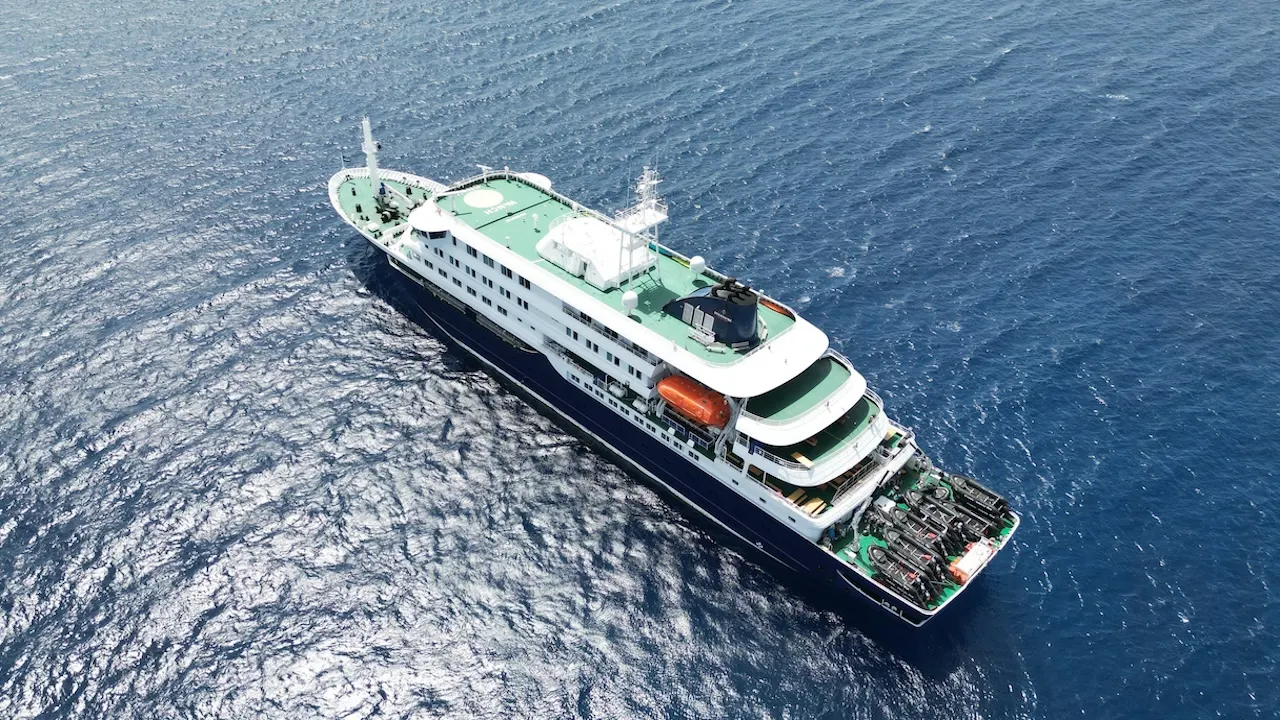
A suspected hantavirus outbreak aboard a cruise ship in the Atlantic Ocean has left three people dead and triggered an international investigation, bringing renewed attention to this rare but potentially deadly disease.
The World Health Organization has confirmed one case of hantavirus infection, with five additional suspected cases awaiting confirmation. Among the six affected individuals, three have died and one remains in intensive care in South Africa, according to health officials.
Hantaviruses comprise a group of viruses primarily carried by rodents that can cause severe respiratory or renal diseases in humans. Most hantaviruses found in North, Central, and South America can cause Hantavirus Pulmonary Syndrome (HPS), which carries a mortality rate of nearly 40% in infected individuals.
“Hantaviruses typically spread when humans breathe in virus particles from disturbed rodent urine, droppings or nesting materials,” explained Dr. Rhys Parry, a molecular virologist at the University of Queensland in Australia. The virus can also be transmitted through touching contaminated objects and then touching the nose or mouth, by rodent bites or scratches, or through consuming contaminated food.
According to the Centers for Disease Control and Prevention (CDC), the hantaviruses found throughout the United States are not known to transmit between people. The most common carrier in the U.S. is the deer mouse.
Dr. Marc Siegel, clinical professor of medicine at NYU Langone Health and Fox News senior medical analyst, noted that hantavirus infections are “incredibly rare” but added that “one-third to one-half of cases are fatal” when they do occur. Most cases are reported in rural areas, where rodents are more likely to enter homes or agricultural buildings.
Symptoms typically appear one to eight weeks after exposure and initially resemble common illnesses. Early indicators include fever, muscle aches, fatigue, and gastrointestinal problems. These symptoms progress to more serious respiratory issues within days.
“These progress to serious respiratory symptoms like coughing, shortness of breath and fluid in the lungs four to 10 days later,” Parry said. “It typically becomes fatal when the lungs fill with fluid, leading to respiratory failure and insufficient oxygen reaching vital organs.”
Sin Nombre virus is the most prevalent hantavirus strain in the United States. It causes hantavirus pulmonary syndrome, which has a mortality rate of approximately 38%.
There is no specific antiviral treatment for hantavirus infection. Management relies on early intensive care with oxygen therapy and supportive measures. In severe cases, patients may require mechanical ventilation or extracorporeal membrane oxygenation (ECMO) to maintain adequate oxygen levels.
“Early intensive medical care is critical because patients who have sudden acute disease can rapidly become severely sick and die,” the CDC states. “Even with medical care, 30% to 40% of people who develop hantavirus pulmonary syndrome will not survive.”
Dr. Sonja Bartolome, a pulmonology and critical care expert at UT Southwestern Medical Center, emphasized the importance of prevention. “It can be prevented by keeping wild mice and rats out of your home, cleaning up rodent waste quickly when encountered, and staying away from areas infested with rodents,” she advised.
When handling potential rodent contamination, experts recommend wearing rubber gloves, using disinfectant, and washing hands thoroughly afterward.
The cruise ship outbreak has put health authorities on high alert, as they continue to monitor the situation and investigate the source of the infection. The incident underscores the ongoing risks posed by zoonotic diseases—infections that can jump from animals to humans—even in controlled environments like cruise ships.
Fact Checker
Verify the accuracy of this article using The Disinformation Commission analysis and real-time sources.

7 Comments
This is a sobering reminder of the importance of public health vigilance, especially when it comes to emerging zoonotic diseases. Maintaining good hygiene practices and staying informed about potential risks is crucial for everyone.
The high mortality rate associated with hantavirus infections is quite alarming. I hope the health authorities are able to quickly contain this outbreak and provide the necessary medical support to the affected individuals.
Yes, it’s critical that they identify the source of the outbreak and take steps to minimize further transmission. Proactive disease surveillance and public awareness campaigns will be key.
While hantavirus outbreaks are relatively rare, the potential severity of the symptoms is concerning. I hope the scientific community can gain new insights from this incident to improve our understanding and treatment of this disease.
Cruise ships can be particularly vulnerable to the rapid spread of infectious diseases given the close quarters and high-traffic nature of these environments. This incident highlights the need for robust public health protocols in the travel industry.
Agreed. Cruise lines should review and strengthen their disease prevention and response measures to better protect passengers and crew.
Tragic to hear about the hantavirus outbreak on the cruise ship. This serves as an important reminder of the public health risks posed by rodent-borne diseases. Proper sanitation and hygiene measures are crucial to prevent the spread of such illnesses.