


Listen to the article
U.S. Effort to Reopen Strait of Hormuz Threatens Fragile Iran Ceasefire
The three-week-old ceasefire in the Iran conflict faced its most serious challenge Monday as the United States launched “Project Freedom,” a military operation to reopen the strategically vital Strait of Hormuz to commercial shipping. The initiative immediately sparked violence, with the United Arab Emirates reporting its first attack since the ceasefire began in early April, and a British military monitor confirming two cargo vessels were ablaze off UAE waters.
Iranian forces responded aggressively to the U.S. operation, according to American military officials who reported sinking six small Iranian boats that were allegedly targeting civilian vessels. U.S. forces also claim Iran launched missiles and drones at ships under American protection.
“Iran initiated this aggressive behavior,” said Admiral Brad Cooper, head of U.S. Central Command, who declined to state whether the ceasefire had officially collapsed.
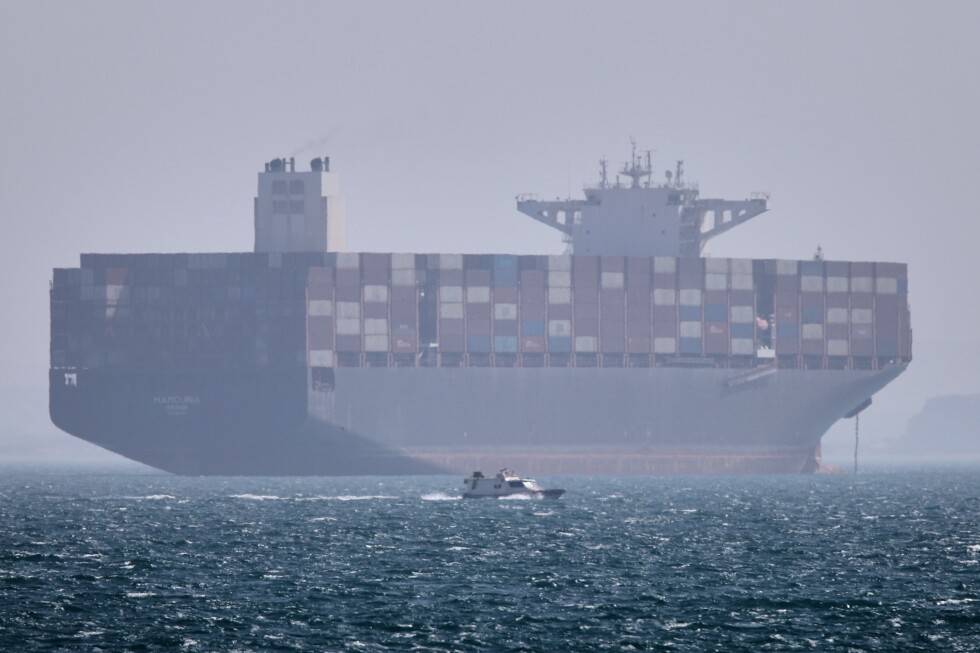
The standoff centers on one of the world’s most crucial maritime chokepoints. Since the conflict began over two months ago, approximately 87 countries have had commercial vessels effectively trapped in the region, creating a global trade bottleneck affecting energy supplies, fertilizers, and consumer goods. Oil prices rose Monday as markets reacted to the heightened uncertainty.
President Trump characterized the operation as humanitarian assistance for “neutral and innocent” countries affected by Iran’s blockade. “Project Freedom” reportedly involves guided-missile destroyers, over 100 aircraft, and 15,000 U.S. service members, though specific deployment details remain limited. Trump warned that any interference would “unfortunately have to be dealt with forcefully.”
Iran has effectively controlled the strait throughout the conflict, attacking some vessels and imposing tolls on others not affiliated with the U.S. or Israel. Tehran’s military command issued a stark warning Monday that “any foreign military force—especially the aggressive U.S. military—that intends to approach or enter the Strait of Hormuz will be targeted,” according to Iranian state media.
Iranian news agencies claimed their forces struck a U.S. vessel southeast of the strait for allegedly violating “maritime security and navigation norms,” though American military officials denied this report. Iran’s state-run IRNA news agency dismissed Trump’s reopening plan as part of his “delirium.”
Despite the U.S. initiative, commercial shipping companies have shown reluctance to risk their crews and cargo. The U.S.-led Joint Maritime Information Center continues to classify the threat level around the strait as critical, even while issuing advisories about the American operation.
Jakob Larsen, chief safety and security officer for the Baltic and International Maritime Council (BIMCO), a leading shipping trade organization, expressed concern about the lack of formal guidance or operational details provided to the industry. “Without Iran’s consent for safe transit, it is currently not clear whether the Iranian threat to ships can be degraded or suppressed,” Larsen said in a statement.
He questioned the long-term viability of the U.S. operation and warned of the “risk of hostilities breaking out again” if it proceeds without further coordination. United Nations spokesperson Stephane Dujarric acknowledged the situation’s ambiguity, telling journalists: “There’s not much clarity at this point.”
The Joint Maritime Information Center has advised vessels to use Omani waters when crossing the strait, noting the U.S. has established an “enhanced security area.” However, it cautioned that traditional shipping routes remain “extremely hazardous due to the presence of mines that have not been fully surveyed and mitigated.”
The economic stakes are substantial. The blockade has affected global supply chains and created inflationary pressures that could impact the upcoming U.S. midterm elections. Yet despite the U.S. military’s claim that two American-flagged merchant ships successfully transited with their protection, few other vessels appear to be taking advantage of the security corridor.
As tensions escalate, the absence of multinational support for the U.S. initiative stands out. Although Trump has urged European and other nations to help resolve the crisis, no other countries have publicly joined the American effort to reopen the strait, leaving Washington seemingly isolated in this high-stakes maritime standoff.
Fact Checker
Verify the accuracy of this article using The Disinformation Commission analysis and real-time sources.

10 Comments
The Strait of Hormuz is a critical chokepoint for global energy and shipping. While the US may feel compelled to act, provoking Iran risks a dangerous spiral of escalation. Maintaining the ceasefire and returning to the negotiating table should be the top priority.
Agreed. Keeping the Strait open is vital, but unilateral military action is risky. Diplomacy and de-escalation must take precedence to prevent a wider conflict that could severely disrupt global supply chains.
This is a delicate situation that requires careful handling. The US is right to be concerned about keeping the Strait of Hormuz open, but aggressive moves could backfire and undermine the fragile ceasefire. All parties need to exercise restraint and pursue a diplomatic resolution.
The US is taking a risky gambit by launching ‘Project Freedom’ to reopen the Strait of Hormuz. While the free flow of global trade is critical, this could easily backfire and trigger a wider confrontation with Iran. Careful diplomacy is needed to defuse the situation.
Exactly. The US should tread carefully and avoid any unilateral actions that could further destabilize the region. Restarting negotiations and rebuilding trust between all parties is the best path forward.
The situation in the Strait of Hormuz is highly volatile. While the free flow of trade is critical, the US must be cautious about provoking further conflict with Iran. Restarting negotiations to reinforce the ceasefire is the best path forward to maintain stability in this vital maritime chokepoint.
Agreed. Diplomacy is the only way to resolve this impasse and prevent a wider escalation that could severely disrupt global energy markets and supply chains. All sides need to show restraint and a willingness to negotiate in good faith.
This situation in the Strait of Hormuz is concerning. The fragile ceasefire seems to be unraveling as the US and Iran exchange aggressive actions. I hope diplomacy can prevail to avoid further escalation and conflict in this critical shipping chokepoint.
Agreed, the stakes are high with so much commercial shipping trapped in the region. All sides need to exercise restraint and return to the negotiating table.
It’s disheartening to see the Iran ceasefire unraveling so quickly. This strategic waterway is too important to global energy and trade for the US and Iran to be engaging in tit-for-tat escalations. Cooler heads must prevail to find a diplomatic solution.