


Listen to the article
Hollywood Actors’ Union Nears Contract Approval After Drama-Free Negotiations
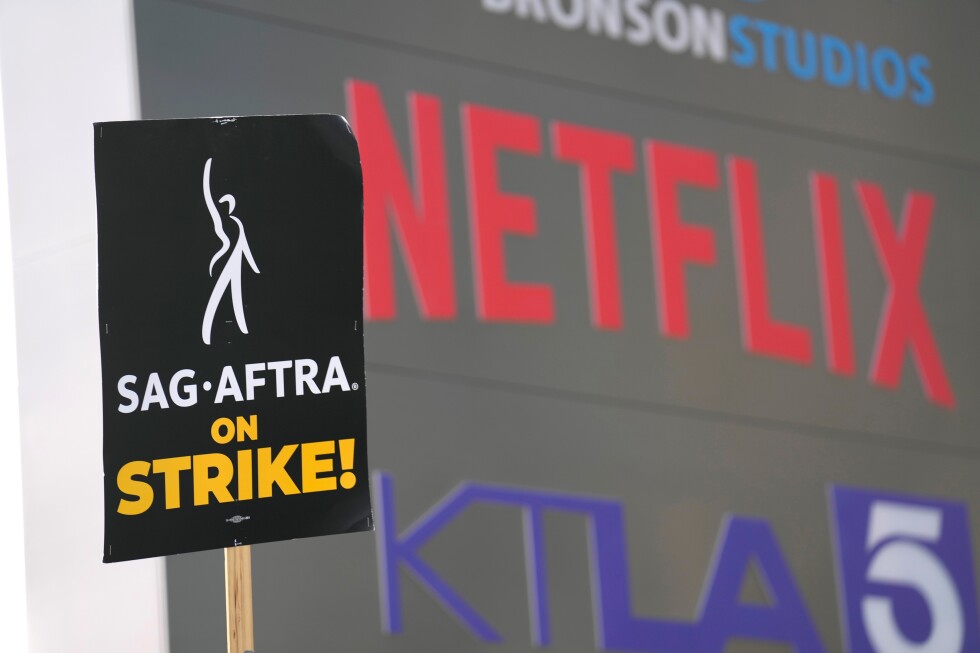
Union board members representing television and movie actors are gathering this week to review a tentative contract agreement reached with major studios and streaming services. The deal, announced Saturday, marks a stark contrast to last year’s contentious negotiations that led to industry-halting strikes.
The agreement between the Screen Actors Guild-American Federation of Television and Radio Artists (SAG-AFTRA) and the Alliance of Motion Picture and Television Producers (AMPTP) must still clear two hurdles: approval by the union’s board followed by ratification through a membership vote. Industry analysts widely expect both steps to succeed, which would prevent a repeat of the 2023 disruptions that cost the entertainment economy billions of dollars.
Unlike last year’s highly public battle, these negotiations proceeded smoothly behind closed doors with little drama or public posturing from either side. A source familiar with the discussions, speaking on condition of anonymity, revealed that the tentative agreement spans four years rather than the traditional three-year contract cycle—matching a similar extension recently secured by the Writers Guild of America.
No specific details of the agreement have been released publicly, as both parties agreed to maintain confidentiality until the union board completes its review. However, industry insiders note that SAG-AFTRA entered negotiations with two primary objectives: strengthening protections against artificial intelligence technologies that could create synthetic performers or recreate actor likenesses, and improving residual payment structures for performers when their work appears on streaming platforms.
The AI issue gained particular urgency during last year’s strike as actors witnessed rapid advancements in technology that threatened to replicate their performances without compensation. Meanwhile, the streaming-era transformation of how audiences consume content has fundamentally altered the traditional residual payment models that actors have relied upon for decades.
SAG-AFTRA President Sean Astin emphasized the union’s commitment to preserving gains made during last year’s strike in a pre-negotiation interview with The Associated Press. “There is no going back,” Astin stated, while noting that studios appeared to be “sending signals of wanting stability, of wanting to work as partners.”
This cooperative approach represents a significant shift from the contentious atmosphere that dominated negotiations in 2023, when actors and writers walked picket lines for months. The combined strikes created widespread production shutdowns that rippled throughout the entertainment ecosystem, affecting not just performers but also crews, post-production facilities, and local businesses that serve the industry.
The current talks began on February 9 but were temporarily paused while studios negotiated with the Writers Guild of America. The timeline gives both sides adequate room to finalize details before the current SAG-AFTRA contract expires on June 30.
With actor negotiations now complete, AMPTP representatives will shift their focus to upcoming talks with the Directors Guild of America. Those negotiations, scheduled to begin May 11, will be the first under the leadership of acclaimed filmmaker Christopher Nolan, who recently assumed the guild’s presidency.
The entertainment industry’s labor landscape has been transformed by the emergence of streaming platforms, changing audience consumption habits, and technological advances that have disrupted traditional business models. These factors have forced all parties to reconsider long-established compensation structures and work protections.
If approved, this four-year agreement would provide a longer period of labor stability for an industry still recovering from last year’s work stoppages, potentially encouraging studios to greenlight more productions after months of cautious planning around potential labor disruptions.
Fact Checker
Verify the accuracy of this article using The Disinformation Commission analysis and real-time sources.

12 Comments
Avoiding industry-halting strikes is crucial for the entertainment economy. This contract agreement seems like a positive step forward, though the details will be important to analyze.
A four-year contract is an unusually long term for this industry. I’m curious to learn more about the specific terms and what concessions each side may have made to reach this deal.
Agreed, the extended duration suggests significant compromises. It will be interesting to see how the new contract addresses issues like streaming residuals and AI-generated content.
The entertainment industry has faced a lot of disruption in recent years. This contract agreement should provide some much-needed stability for actors, studios, and the broader economy.
This is positive news for the entertainment industry. Avoiding disruptive strikes is crucial for maintaining audience engagement and the broader economic impact of film/TV production.
Interesting that the contract talks wrapped up quickly and quietly compared to last year’s public battle. I wonder what factors led to the more amicable negotiations this time?
Perhaps both sides learned from the previous experience and were more willing to compromise. A four-year deal also suggests a shared desire for long-term labor peace.
The smooth negotiations and longer contract term are encouraging signs. Hopefully this sets the stage for a period of stability and growth in the industry.
It’s good to see the actors and studios finding common ground after last year’s contentious talks. A four-year deal suggests a shared commitment to long-term labor peace.
Agreed. The longer contract duration likely required significant concessions from both sides, but that compromise should pay dividends in the years ahead.
Glad to see the entertainment industry avoiding a disruptive strike this time around. Four-year contracts provide much-needed stability for actors, studios, and audiences alike.
Smooth negotiations and a longer contract term are encouraging signs. The industry can now focus on producing great content without labor disputes.