


Listen to the article
AI Cameras Help Western States Detect Wildfires Earlier as Climate Risks Grow
On a March afternoon in Arizona’s Coconino National Forest, artificial intelligence spotted what looked like smoke on a camera feed. Human analysts quickly verified it wasn’t dust or clouds and alerted state forest officials and Arizona Public Service, the state’s largest electric utility. The early detection of what would become known as the Diamond Fire allowed firefighters to contain the blaze before it spread beyond 7 acres.
This success story highlights how states across the wildfire-prone West are increasingly using AI technology to detect fires earlier and protect lives and property, especially as record-breaking heat and poor snowpack raise concerns about severe wildfire seasons ahead.
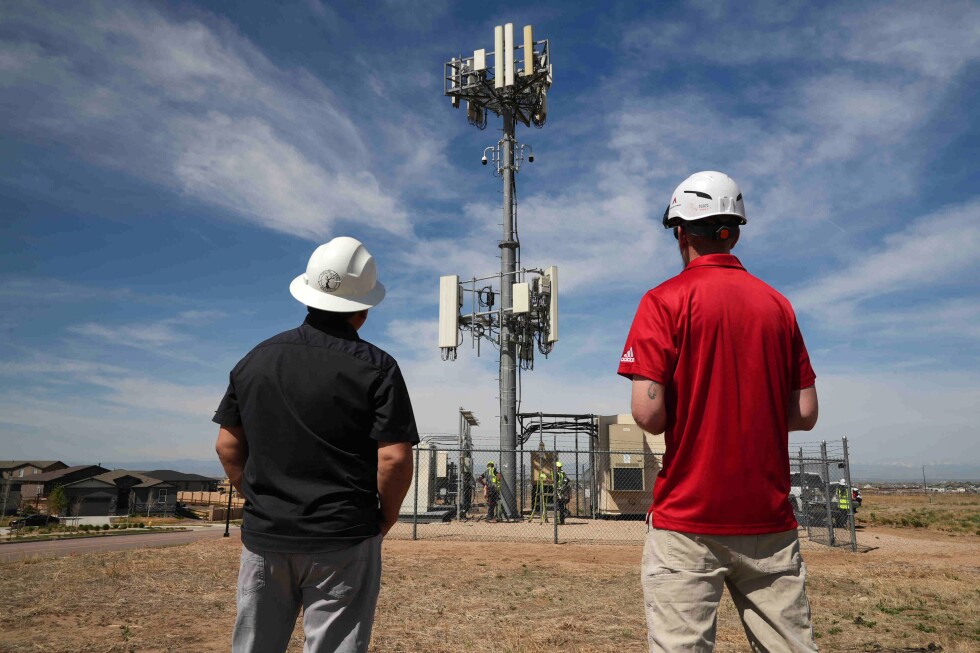
Arizona Public Service has deployed nearly 40 AI smoke-detection cameras and plans to have 71 operational by the end of summer. Colorado’s Xcel Energy has already installed 126 cameras and aims to expand to seven of the eight states it serves by year’s end.
“Earlier detection means we can launch aircraft and personnel to it and keep those fires as small as we can,” said John Truett, fire management officer for the Arizona Department of Forestry and Fire Management.
The technology is proving most valuable in sparsely populated or remote areas where traditional detection methods fall short. In such locations, fires can burn longer before being spotted by passersby or traditional lookouts. California’s ALERTCalifornia network, which includes about 1,240 AI-enabled cameras, demonstrates the technology’s effectiveness.
“The AI that’s being run on the cameras is actually beating 911 calls,” said Neal Driscoll, geology and geophysics professor at the University of California, San Diego, who founded ALERTCalifornia.
Human oversight remains crucial to the system’s success. When AI flags potential smoke, human analysts review the imagery to confirm real fires and dismiss false positives. This verification process not only keeps response resources focused on actual fires but also helps train the AI systems to become more accurate over time.
Brent Pascua, battalion chief for the California Department of Forestry and Fire Protection (Cal Fire), has seen the benefits firsthand. “In many cases, we’ve started a response before 911 was even called, and in a few cases, we’ve actually started a response, went there, put the fire out, and never received a 911 call.”
Pano AI, a leading provider of this technology, combines high-definition camera feeds, satellite data, and AI monitoring. Since launching in 2020, the company has expanded to Australia, Canada, and 17 U.S. states. Last year alone, its technology detected 725 wildfires in the United States.
According to Cindy Kobold, an Arizona Public Service meteorologist, their AI system typically identifies fires about 45 minutes faster than the first 911 call—critical time that can mean the difference between a small, containable fire and a major disaster.
Arvind Satyam, Pano AI’s co-founder and chief commercial officer, explained that the technology’s development was driven by the lack of effective solutions to combat worsening wildfires. Climate change, fueled by the burning of fossil fuels, is creating warmer, drier conditions that make wildfires more frequent and intense.
Despite its promise, the technology faces challenges. At around $50,000 annually per camera (including fire risk analysis and 24/7 intelligence center services), the cost can be prohibitive for some agencies. And while AI can detect fires, it doesn’t make tactical decisions.
“Do you send help right away? Do you monitor? Should you worry about it? Where do you send help? Do you think about evacuation? All this still requires people and decision support systems,” said Patrick Roberts, a senior researcher with RAND who recently completed a project on wildfire management innovation.
The technology also has limitations in highly populated areas, where fires are typically reported quickly by residents, and during extreme weather events that cause rapid fire spread.
AI’s role in wildfire management extends beyond detection. Researchers are developing systems to identify optimal locations for vegetation thinning and controlled burns. At George Mason University, professor Chaowei “Phil” Yang is working with California researchers to create forecasting systems that predict fire movement and smoke pollution impact, potentially giving agencies vital information for evacuation decisions.
“AI in wildfires, it’s no longer just speculative. It’s really being used,” said Roberts, adding that its use will only grow. “The future is AI everywhere, and the lines will blur between AI wildfire detection and just wildfire detection as the lines will blur in other areas of our life.”
As climate change continues to intensify wildfire risks across the West, these AI systems represent an important tool in the increasingly challenging fight to protect communities and natural resources from devastating blazes.
Fact Checker
Verify the accuracy of this article using The Disinformation Commission analysis and real-time sources.

10 Comments
As someone who has experienced the devastation of wildfires firsthand, I’m really encouraged to see states leveraging AI to spot them earlier. Faster response times can make all the difference in saving lives and property. Curious to learn more about the real-world impacts of this technology.
This is a great example of how AI can be a powerful tool for public safety and disaster response. Early detection of wildfires is critical, and using AI to complement human spotters seems like a smart approach. I’d be interested to learn more about the specific algorithms and data sources used.
With climate change fueling more intense and unpredictable wildfire seasons, innovative technology solutions like this AI smoke detection system are sorely needed. Kudos to the states and utilities taking the initiative to deploy these cameras and improve response times.
As someone who lives in one of the wildfire-prone western states, I’m really encouraged to see the increasing use of AI to spot fires early. Faster response times can save lives and property. Curious to learn more about the specific AI algorithms and camera systems being used.
Definitely a smart investment, especially given the worsening wildfire seasons we’ve been seeing. I wonder how accurate and reliable the AI smoke detection is compared to human spotters. Hopefully the technology keeps improving.
Impressive to see how AI is being used to enhance wildfire detection and prevention efforts in the western US. Early warning systems like these smoke detection cameras seem like a smart investment, especially given the growing climate risks. Hopefully the technology continues to advance and get adopted more widely.
Wildfire detection and response is such an important issue for the western US. I’m glad to see states leveraging AI to get an edge, though I wonder about the costs and maintenance required for these camera networks. Seems like a worthwhile tradeoff if it saves lives and property.
Absolutely. Anything that can help get firefighters on the scene faster is a big win. Curious to see if this AI-powered approach becomes the new standard for wildfire monitoring and prevention across the region.
Interesting use of AI technology to help detect wildfires earlier. This can be a real game-changer for fire prevention and containment, especially as climate change increases wildfire risks across the western states.
Early detection is crucial – it allows firefighters to respond quickly and keep fires small before they spread out of control. Kudos to the states and utilities deploying these AI-powered smoke detection cameras.