


Listen to the article
In the face of rising digital misinformation, Fiji’s media professionals are being urged to prioritize accuracy over speed when reporting news, particularly as the nation approaches general elections.
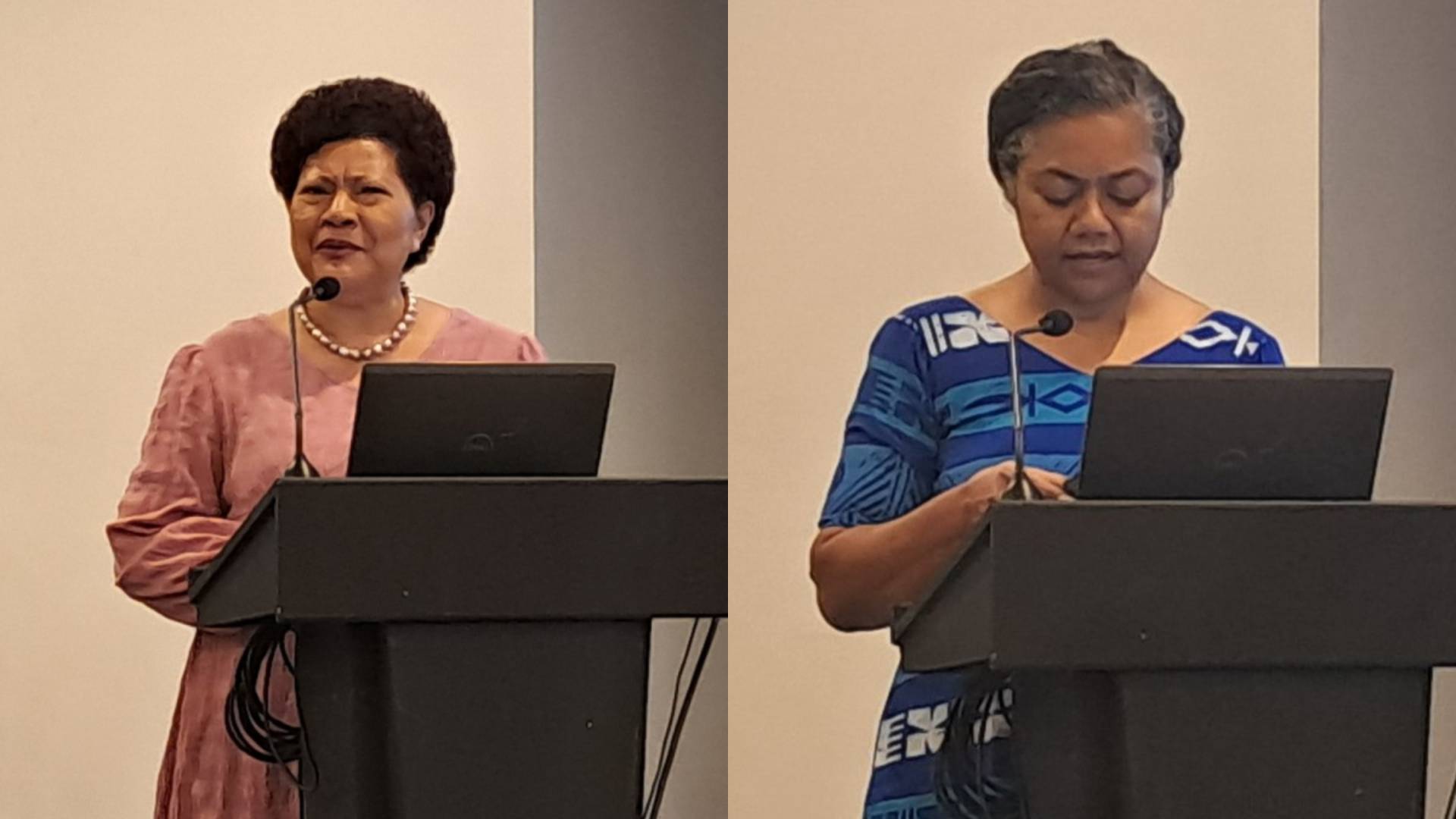
Speaking at the opening of an Australian Associated Press (AAP) fact-checking workshop in Suva, Permanent Secretary for Information Eseta Nadakuitavuki delivered a clear message to journalists: “It is far better to be right than to be first.”
The workshop, held at Novotel in Lami, brought together journalists from various Fijian media outlets to enhance their skills in identifying and countering false information—a growing challenge in Fiji’s information landscape.
Nadakuitavuki highlighted how digital platforms and artificial intelligence have revolutionized information sharing while simultaneously facilitating the rapid spread of misleading content. She emphasized that factual reporting remains the cornerstone of a healthy society and democratic media system, though this foundation faces mounting pressure in today’s digital environment.
“The digital era has transformed how we communicate, but it has also created unprecedented challenges for maintaining information integrity,” Nadakuitavuki said. “As government and media professionals, we must exercise greater vigilance against misleading content circulating on social platforms, some of which includes confidential information.”
With Fiji’s general elections on the horizon, the Permanent Secretary warned that misinformation typically intensifies during electoral periods, increasing the risk of public confusion and eroding trust in institutions. She noted concerning trends in public discourse, where some online engagement has shifted from constructive criticism to personal attacks and factual distortions.
In response to these challenges, the Ministry of Information is collaborating with the Australian Government and AAP to strengthen fact-checking capabilities. As part of this initiative, 50 government communication and policy officers are scheduled to participate in specialized training sessions.
Fijian Media Association President Rosi Doviverata reinforced these concerns, describing misinformation as a daily battle for journalists operating in fast-paced, often resource-constrained newsrooms.
“Information now travels at unprecedented speed and scale. Journalists find themselves fighting fires daily,” Doviverata explained. “While we understand the pressure to meet audience demands in this digital age, accuracy, ethics, and responsibility remain non-negotiable elements of journalism.”
She warned that unchecked misinformation—particularly online—undermines public trust, social cohesion, and democratic debate throughout Fiji and the broader Pacific region.
The AAP-led workshop aims to equip journalists with practical tools to understand disinformation mechanisms, recognize audience manipulation tactics, and verify both traditional and AI-generated content. Participants will also explore responsible applications of artificial intelligence in journalism, including identifying associated risks and opportunities.
Doviverata emphasized the value of regional partnerships in strengthening media resilience, acknowledging the Australian Government’s ongoing support through programs such as the Pacific Media Assistance Scheme. She encouraged workshop participants to share their newly acquired knowledge with newsroom colleagues to elevate reporting standards across Fijian media.
The initiative comes at a critical time for Fiji’s information ecosystem, as digital platforms continue to reshape how citizens consume news and information. Media professionals face mounting pressure to deliver timely content while maintaining journalistic standards—a challenge amplified by the proliferation of unverified information on social media channels.
As Fiji prepares for elections, the training represents an important step toward protecting the integrity of public discourse and ensuring citizens can access reliable information when making democratic choices.
Fact Checker
Verify the accuracy of this article using The Disinformation Commission analysis and real-time sources.

15 Comments
The digital era has certainly created new challenges for maintaining information integrity, as this article highlights. It’s encouraging to see Fiji taking steps to equip journalists with the skills to identify and counter misinformation, especially around sensitive topics like mining and energy.
Interesting perspective on the need for accuracy over speed in news reporting, especially with the rise of digital misinformation. Fact-checking workshops are a good step to help journalists navigate this tricky landscape and maintain integrity in their work.
I agree, prioritizing accuracy is crucial, even if it means being slightly slower to publish. The public deserves reliable, truthful information to make informed decisions, especially around elections.
The rise of digital misinformation is a global challenge, and it’s good to see Fiji taking steps to address it in their media landscape. Prioritizing accuracy over speed is a wise approach, even if it means journalists have to work a bit harder.
Agreed. In an age of instant news and social media, it can be tempting for media outlets to rush stories out. But the long-term credibility and trust of the industry depends on maintaining high standards of fact-checking and verification.
This is an important issue for the mining and energy sectors, which are often targets of misinformation campaigns. Fact-checking workshops like this one are vital to ensure journalists have the tools to identify and counter false information.
Absolutely. Accurate, well-researched reporting is crucial for these industries, where investment decisions can have major impacts. Kudos to the Fijian authorities for taking proactive steps to address this challenge.
This is an important issue for the mining and commodities sectors, which can be vulnerable to the spread of false information. Fact-checking initiatives like this one in Fiji are vital to ensure transparency and trust in reporting on these industries.
Agreed. Accurate, well-researched news is crucial for investors, regulators, and the public to make informed decisions about mining, energy, and related sectors. Kudos to the Fijian authorities for taking proactive steps to address this challenge.
This is an important issue for the mining and commodities industries, which can be vulnerable to the spread of false information. Fact-checking initiatives like this one are vital to ensure transparency and trust in reporting on these sectors.
Absolutely. Miners and investors rely on credible, well-researched news to make informed decisions. Kudos to the Fijian authorities for taking proactive steps to combat misinformation in the media.
Accurate, well-researched reporting is crucial for industries like mining and energy, where investment decisions can have major impacts. Kudos to the Fijian authorities for organizing this fact-checking workshop to help journalists identify and counter false information.
This is a timely and important issue, particularly for industries like mining and commodities that can be targets of misinformation campaigns. Fact-checking workshops are a valuable tool to help journalists maintain the integrity of their reporting and provide the public with reliable information.
In an age of instant news and social media, the temptation to be first can sometimes outweigh the need for accuracy. It’s good to see Fiji taking steps to reinforce the importance of fact-checking and verification, especially in sensitive sectors like mining and energy.
The rise of digital misinformation is a global challenge, and it’s encouraging to see Fiji taking proactive steps to address it in their media landscape. Prioritizing accuracy over speed is a wise approach, even if it means journalists have to work a bit harder to verify their facts.