


Listen to the article
The House of Representatives has launched a formal inquiry into alleged disinformation operations, focusing on Peanut Gallery Media Network (PGMN), amid growing concerns about fake news and its financial implications.
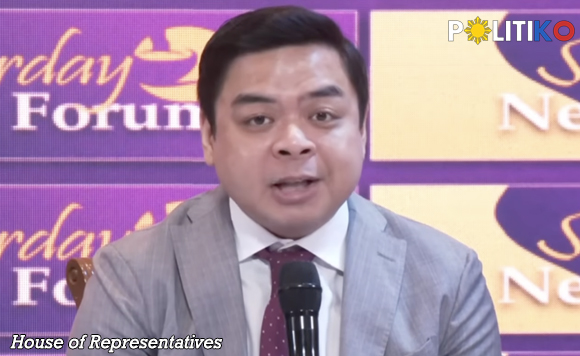
Rep. Terry Ridon, chairperson of the House Committee on Public Accounts and representative of Bicol Saro party-list, filed House Resolution 980 calling for a congressional investigation into PGMN’s operations. The resolution comes in direct support of Speaker Faustino Dy III’s broader initiative to address the proliferation of fake news in the Philippines.
“We must go beyond content and examine the operations behind it, including how these are funded and whether they are compliant with tax laws,” Ridon stated, emphasizing that the investigation would cover not only misleading content but also scrutinize the business and financial activities of those behind such operations.
The inquiry will specifically target the network’s owners, partners, and affiliated entities to determine whether their operations comply with existing regulations and tax obligations.
“If these disinformation operations are monetized—and there are strong indications that they are—then the question is simple: are they properly declared, taxed, and regulated?” Ridon questioned. “Otherwise, this raises serious concerns of tax evasion.”
The resolution was prompted by viral content attributed to PGMN that allegedly showed a surge in electricity bills. Upon closer examination, these materials featured different Customer Account Numbers (CANs), suggesting potential deliberate misrepresentation.
“For ordinary Filipino households already burdened by high electricity costs, this is not just irresponsible—it is deceptive,” Ridon said. “Real issues should not be exploited through fabricated or misleading content.”
The spread of misinformation about utility costs comes at a particularly sensitive time for many Filipino consumers, who have been grappling with rising electricity rates amid broader economic challenges. Energy costs remain a significant concern for households across the country, with Manila Electric Company (Meralco) and other providers frequently facing public scrutiny over billing practices.
Ridon emphasized the importance of determining whether such activities form part of larger, coordinated disinformation campaigns designed to manipulate public perception on critical national issues. The investigation will examine potential patterns suggesting organized efforts rather than isolated incidents.
“We will not allow legitimate public concerns to be weaponized by disinformation networks,” Ridon added. “This is about protecting the public—not only from fake news but from coordinated operations that exploit real issues for influence, profit, or manipulation.”
The resolution calls for coordination among multiple government agencies, including the National Bureau of Investigation (NBI) and the Bureau of Internal Revenue (BIR), to identify potential violations of law. This multi-agency approach reflects the complex nature of disinformation operations, which may involve violations across several legal domains.
The investigation comes amid growing global and national concern about the impact of disinformation on democratic processes and public discourse. In recent years, the Philippines has witnessed an explosion in online platforms and content creators, some of whom operate with limited regulatory oversight.
Media experts have noted that the blurring lines between legitimate news organizations and content creators have made it increasingly difficult for consumers to distinguish between factual reporting and misleading information.
If successful, this investigation could set important precedents for how the government addresses disinformation operations moving forward, particularly regarding their financial and tax compliance aspects. It may also signal a shift toward greater accountability for digital content creators operating in the Philippine information ecosystem.
Fact Checker
Verify the accuracy of this article using The Disinformation Commission analysis and real-time sources.

16 Comments
I’m glad to see lawmakers taking a comprehensive approach to addressing disinformation by looking into the financial and business aspects of these operations. Uncovering potential tax evasion or other regulatory violations could be an effective way to disrupt the spread of fake news.
Agreed, this multi-pronged investigation seems well-designed to get to the root of the issue. Examining the funding sources and financial incentives driving these misleading posts is a smart strategy to tackle the problem.
This investigation into the business activities and funding of the PGMN disinformation network is a welcome development. Scrutinizing the tax compliance and financial incentives behind these misleading posts is a necessary step to curb the spread of fake news.
Absolutely, following the money trail is crucial. Determining how these networks are being monetized and whether they’re operating within the bounds of the law could provide valuable insights and opportunities for intervention.
It’s encouraging to see lawmakers taking a comprehensive approach to tackling disinformation, including examining the business and financial aspects. Uncovering potential tax evasion or other regulatory violations could be an effective way to disrupt these operations.
I agree, this multi-faceted investigation seems well-designed to get to the heart of the issue. Focusing on the monetization and financial compliance of these networks is a smart strategy to address the problem.
This investigation seems important to address the serious issue of disinformation and its potential financial implications. Scrutinizing the operations and funding behind these misleading posts is a necessary step to tackle the problem at its root.
Agreed, transparency around the business activities of disinformation networks is crucial. Examining their tax compliance and funding sources could shed light on how these operations are being monetized.
This seems like an important step to address the broader problem of fake news and its impact. Scrutinizing the funding and operations of disinformation networks is a necessary part of tackling the issue effectively.
I agree, going beyond just the content to look at the underlying business model is critical. Determining how these networks are being monetized and whether they’re complying with tax laws could provide valuable insights.
This inquiry into the business activities and financial compliance of the PGMN disinformation network is a welcome development. Scrutinizing the tax obligations and monetization models behind these misleading posts is a necessary step to curb the spread of fake news and its negative impacts.
Absolutely, following the money trail is crucial. Determining how these networks are being funded and whether they’re operating within the bounds of the law could provide valuable insights and opportunities for intervention.
It’s good to see lawmakers taking this issue seriously and launching a formal inquiry. Disinformation can have real financial consequences, so I’m curious to see what the investigation uncovers about PGMN’s operations.
The focus on examining the business and financial activities behind the misleading content is a smart approach. Uncovering potential tax evasion or other regulatory violations could help disrupt these disinformation networks.
Investigating the financial activities and potential tax issues behind disinformation operations is a smart move. Fake news can have real economic consequences, so understanding the business model is key to addressing the problem.
Absolutely, following the money trail is an important part of this inquiry. Determining the funding sources and financial incentives driving these misleading posts could help uncover the root causes.