


Listen to the article
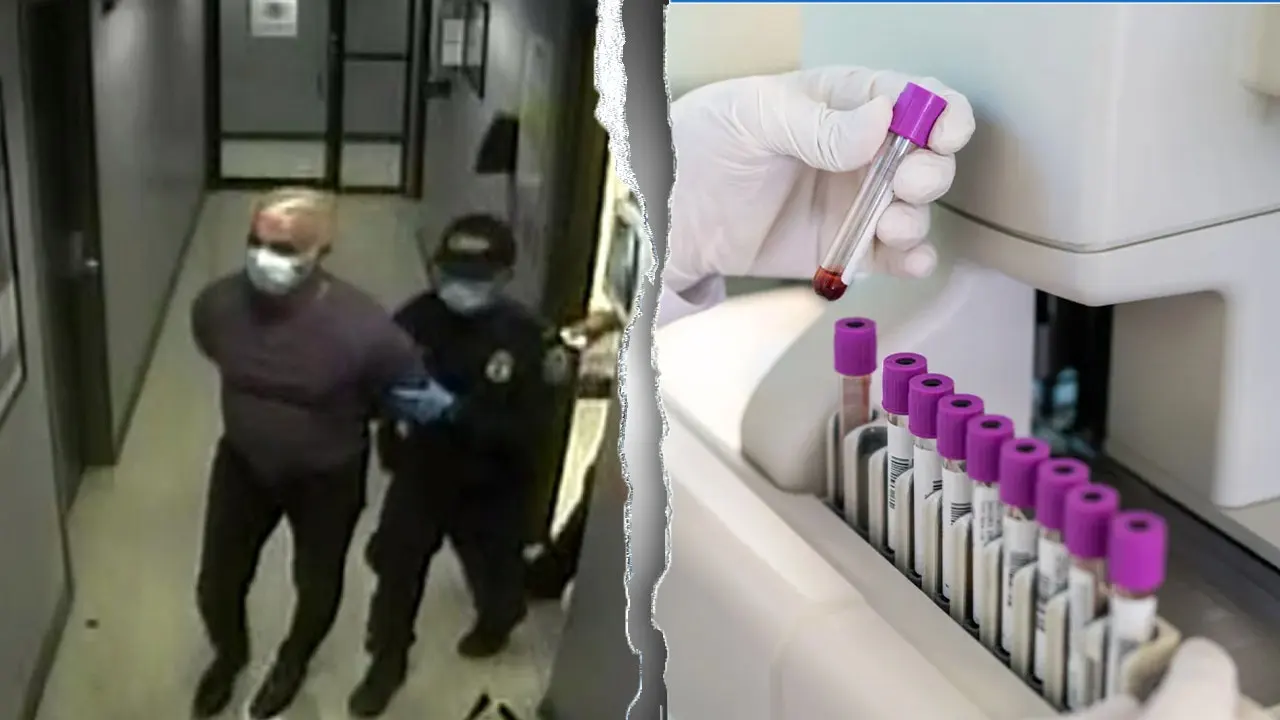
Two men have been sentenced for orchestrating a $522 million healthcare fraud scheme that targeted Medicare, Medicaid, and private insurers across multiple states. The elaborate operation used kickbacks, fake medical orders, and DNA samples collected from unwitting patients nationwide.
Reyad Salahaldeen, 57, of Buford, Georgia, received a sentence of 12 years and 7 months in prison after pleading guilty to conspiracy to commit healthcare fraud and wire fraud. His co-conspirator, Mohamad Mustafa, 28, of Duluth, Georgia, was sentenced to three years in prison after admitting to paying illegal healthcare kickbacks.
“Under the guise of healthcare, these two fraudsters attempted to steal more than half a billion dollars from taxpayers,” the Justice Department stated in court documents.
Federal prosecutors revealed that while the scheme aimed to defraud health programs of $522 million, it actually resulted in approximately $84 million in fraudulent payouts from Medicare, Medicaid and private insurers. This case highlights the growing problem of healthcare fraud draining taxpayer-funded health programs across the United States.
The operation, which ran from 2018 through August 2020, employed a sophisticated network of marketers who targeted Medicare beneficiaries through telemarketing calls, door-to-door visits, and health fairs. These marketers persuaded individuals to submit DNA samples for genetic tests by promoting them as free or medically necessary screenings, including tests for cancer risk.
According to court documents, the tests were rarely medically necessary and were ordered by healthcare providers who had never treated the patients and did not use the results in their care. This tactic allowed laboratories controlled by the defendants to bill government health programs for expensive tests that would not have been approved under legitimate circumstances.
Salahaldeen controlled multiple laboratories across New Jersey, Georgia, and Texas, including Express Diagnostics and BioConfirm Laboratories. Mustafa co-controlled some of these facilities and helped execute the scheme by paying kickbacks and creating sham contracts to disguise illegal payments as legitimate marketing services.
The court ordered both men to pay substantial restitution. Salahaldeen must repay more than $84.5 million, while Mustafa was ordered to pay over $64.3 million. Additionally, Salahaldeen was ordered to forfeit more than $3 million from bank accounts, a 2019 GMC Yukon, and properties in Texas and Georgia.
Court records indicate Mustafa was born in the United States, while Salahaldeen is a Palestinian national who became a lawful permanent resident in 2004. Authorities reported that Salahaldeen attempted to evade arrest after learning of the charges, traveling from North Carolina to Texas and attempting to cross into Mexico using someone else’s identification before being apprehended at the border.
This case reflects a troubling trend in healthcare fraud that federal authorities say is increasingly orchestrated by organized networks operating across multiple states. Rather than isolated incidents, these schemes involve sophisticated coordination and systematic exploitation of healthcare programs.
The genetic testing fraud operation is part of a pattern of large-scale healthcare scams that have prompted increased federal enforcement efforts. Another notable example is the Feeding Our Future case in Minnesota, where defendants allegedly diverted more than $240 million in pandemic-era federal funds meant to feed children, resulting in sentences of up to 28 years in prison.
Eleven additional co-conspirators in the genetic testing scheme—including marketers, nurse practitioners, and doctors—have already been sentenced, receiving penalties ranging from probation to nearly four years in prison.
The Justice Department highlighted this case as part of an intensified push to combat fraud under the Task Force to Eliminate Fraud, chaired by Vice President JD Vance. Since 2007, the DOJ’s Health Care Fraud Strike Force Program has charged more than 6,200 defendants responsible for over $45 billion in fraudulent billing.
Healthcare fraud remains a priority for federal law enforcement, as such schemes not only divert critical resources from legitimate patient care but also drive up insurance premiums and healthcare costs for all Americans.
Fact Checker
Verify the accuracy of this article using The Disinformation Commission analysis and real-time sources.

6 Comments
It’s troubling to see criminal enterprises targeting taxpayer-funded healthcare programs. This case reinforces the need for tighter controls and vigilance to protect these vital public resources.
Kickbacks, fake orders, and exploiting patient DNA – the tactics used in this fraud case are truly appalling. It’s good to see the perpetrators being held accountable.
This is a serious case of healthcare fraud that defrauded taxpayers of millions. It’s good to see the perpetrators facing significant prison time for their crimes.
Half a billion in fraudulent claims is an astounding amount. This scheme highlights the need for stronger oversight and accountability measures in the healthcare system.
Agreed. Fraud like this drains resources from legitimate healthcare needs and undermines public trust. Rigorous enforcement is key to deterring such egregious abuse.
While the intended fraud was over $500 million, the actual payout of $84 million is still a huge sum. This case underscores the importance of detecting and prosecuting healthcare fraud early.