


Listen to the article
German defense industry loses billions to coordinated disinformation campaigns, according to a new study that reveals the growing economic impact of targeted false information on the country’s industrial base.
The research shows that German companies, particularly those in the defense sector and their suppliers, are experiencing financial losses in the tens of billions of euros as a result of sophisticated disinformation operations. These campaigns appear to be strategically targeting firms critical to Germany’s defense infrastructure.
Industry analysts point to a troubling trend of increasing frequency and sophistication in these attacks. “We’re seeing highly coordinated efforts that go beyond random misinformation,” says Dr. Claudia Müller, a cybersecurity expert at the Berlin Institute for Strategic Communication. “These campaigns often feature professionally crafted narratives designed to undermine public trust in specific companies or disrupt their business operations.”
The defense sector’s vulnerability stems partly from its high public profile and connections to government policy. Companies like Rheinmetall and Hensoldt, which have seen increased prominence following Germany’s €100 billion special defense fund announcement, have become particular targets.
One striking example involved a major German defense contractor that faced a coordinated social media campaign falsely linking its products to civilian casualties in conflict zones. The resulting public relations crisis led to delayed contracts and required costly reputation management efforts.
The economic damage extends beyond immediate financial losses. According to the study, affected companies report disruptions to supplier relationships, difficulties in workforce recruitment, and complications in international partnerships. Some firms have been forced to divert significant resources to counterintelligence and public relations efforts.
“What begins as a seemingly isolated incident on social media can quickly escalate into a full-blown crisis affecting stock prices and business partnerships,” explains Thomas Weber, security director at a midsize defense supplier. “The most sophisticated attacks target not just the prime contractors but their entire supply chains.”
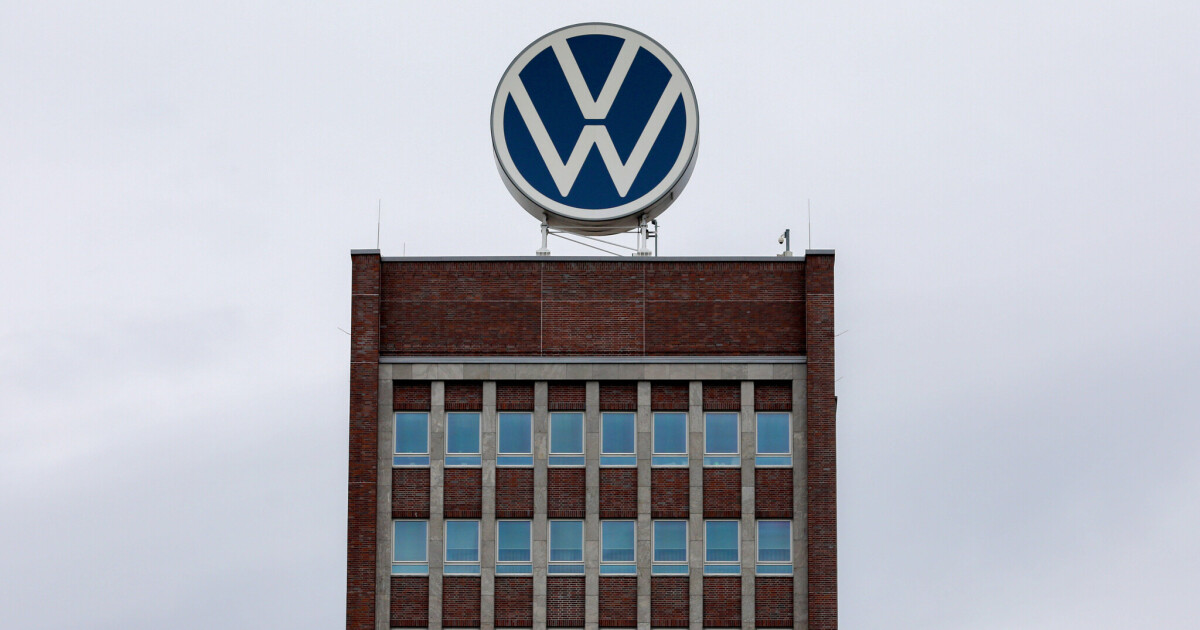
The study also reveals that automotive manufacturers with defense divisions have been targeted. Volkswagen Group, which has diversified operations including some defense-related technologies, has experienced coordinated disinformation campaigns aimed at both its civilian and military-adjacent business lines.
German authorities have acknowledged the severity of the threat. The Federal Office for Information Security (BSI) has established a dedicated task force to address industrial disinformation, working alongside intelligence agencies to identify sources of these campaigns. Early findings suggest many originate from state-sponsored actors seeking to weaken Germany’s defense industrial capacity.
Industry associations are responding by developing collective countermeasures. The German Federation of Industries (BDI) has created a rapid response network to identify and combat disinformation targeting member companies. This includes monitoring systems for early detection and coordination of joint messaging when attacks occur.
“This is not just a problem for individual companies but a national security concern,” says Friedrich Merz, chairman of the Bundestag’s Defense Committee. “When our defense contractors are weakened by disinformation, it affects our strategic readiness and NATO commitments.”
Experts recommend that vulnerable companies develop robust crisis communication plans specifically tailored to disinformation threats. This includes training employees to recognize false narratives, establishing verification protocols for sensitive information, and maintaining transparent communication with stakeholders.
The study concludes that as Germany continues to increase its defense spending and industrial capacity, these disinformation campaigns are likely to intensify, requiring coordinated responses from government, industry, and civil society to mitigate their economic impact.
Fact Checker
Verify the accuracy of this article using The Disinformation Commission analysis and real-time sources.
