


Listen to the article
Pakistan Urges Global Action Against Digital Disinformation at UN Forum
Pakistan issued a stark warning at the United Nations about the growing dangers of digital disinformation and hate speech, calling for coordinated international action to address what it described as an erosion of public trust and increasing real-world harm.
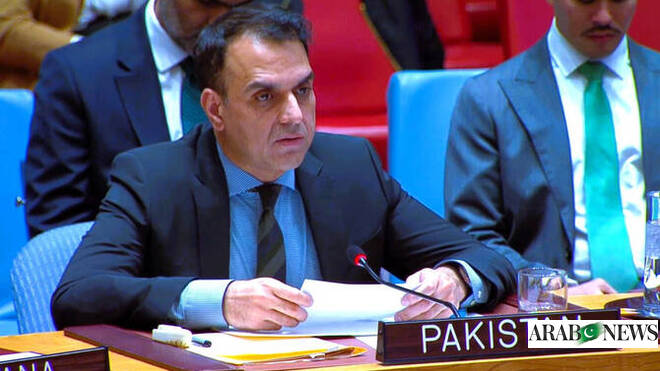
During the 48th session of the UN Committee on Information, Pakistan’s Deputy Permanent Representative, Ambassador Usman Jadoon, highlighted how rapidly evolving technology is creating a double-edged sword in the global information landscape.
“While technological advances have democratized access to information, they have also enabled the rapid spread of disinformation, misinformation and hate speech at an unprecedented scale,” Jadoon told the committee.
The ambassador emphasized that these troubling trends are undermining public trust and social cohesion at a particularly dangerous moment of heightened global tensions. His comments come amid growing international concern about the manipulation of information across digital platforms and its real-world consequences.
Of particular concern to the Pakistani delegation was the proliferation of Islamophobia and other forms of targeted hate speech in online environments. Jadoon described the situation as “particularly alarming,” noting that digital hostility frequently translates into physical violence against vulnerable communities.
The diplomat also drew attention to the strategic deployment of disinformation in conflict zones, where false narratives can be weaponized to shape public perception and obscure human rights violations. “False narratives are deployed to obscure human rights violations, demonize lawful struggles for self-determination, and silence affected populations,” he stated, linking information warfare to broader geopolitical struggles.
Pakistan’s warning comes at a time when countries worldwide are grappling with the challenge of regulating digital platforms while balancing freedom of expression concerns. Major tech companies like Meta, Twitter (now X), and Google have faced mounting pressure to address hate speech and misinformation on their platforms, with varying approaches and results across different regions.
The rise of artificial intelligence has further complicated efforts to maintain information integrity. Jadoon specifically pointed to AI and generative tools as adding “a new layer of complexity” to an already challenging situation. Recent advances in AI-generated content, including deepfakes and synthetic media, have raised concerns about the potential for even more sophisticated disinformation campaigns.
In response to these challenges, Pakistan called for a more comprehensive and coordinated international approach. Jadoon urged an expanded role for the UN’s Department of Global Communications and advocated for structured engagement with major technology companies that dominate global information flows.
The Pakistani envoy stressed the importance of balancing regulatory measures with respect for cultural diversity and legal contexts across different nations. This balancing act remains one of the central challenges in creating effective global governance for digital spaces.
“At a time when confidence in international institutions is under strain, the United Nations must reinforce its position as a trusted source of verified and balanced information,” Jadoon emphasized, highlighting the UN’s potential leadership role in addressing the information crisis.
Pakistan’s concerns mirror those raised by other nations grappling with digital disinformation, though approaches to addressing these issues vary significantly across democratic and authoritarian systems. Some critics have expressed concern that efforts to combat disinformation could be misused to restrict legitimate political discourse or press freedoms.
The Pakistani delegation concluded by reaffirming the country’s commitment to working collaboratively with the UN and member states to foster “an information environment that is truthful, inclusive, and respectful of human dignity” – a goal that continues to prove elusive in today’s fractured digital landscape.
Fact Checker
Verify the accuracy of this article using The Disinformation Commission analysis and real-time sources.

16 Comments
It’s troubling to hear about the growing problem of disinformation and hate speech undermining public trust. Technological advances have empowered individuals but also enabled the rapid spread of misinformation. Coordinated global action is needed to address this.
Absolutely. Tackling Islamophobia and other forms of online hate should be a key part of this effort. Safeguarding freedom of speech while curbing real-world harms from disinformation is crucial.
This is a concerning trend that deserves serious attention. Disinformation and hate speech online can have very real and damaging consequences for social cohesion and public trust. I hope the UN can coordinate an effective global response to this challenge.
Pakistan is right to raise this issue at the UN. Disinformation and hate speech online are growing threats that can erode social cohesion and have dangerous real-world consequences. I hope the international community can work together to find effective solutions.
The ambassador raises valid concerns about the dangers of digital disinformation and Islamophobia. Technological advances have democratized information but also enabled the rapid spread of misinformation and hate. Coordinated global action is needed to address this complex challenge.
Agreed. Protecting freedom of expression while also combating harmful online content is a delicate balance that requires international cooperation and thoughtful policymaking. I hope the UN can provide effective leadership on this issue.
The ambassador raises valid concerns about the erosion of public trust and social cohesion due to digital disinformation and Islamophobia. This is a complex challenge that requires a coordinated global response to uphold democratic values while also protecting vulnerable communities.
Pakistan is right to sound the alarm on the rising tide of digital disinformation and Islamophobia. These are complex issues that require a nuanced, coordinated global approach to balance free expression with measures to curb real-world harms. I hope the UN can provide leadership on this.
Agreed, this is a delicate balance that needs to be struck. Protecting freedom of speech while also combating the spread of dangerous misinformation and hate online is crucial. I’m hopeful the international community can work together to find effective solutions.
This is a serious issue that deserves global attention. Disinformation and hate speech online can have very real and dangerous consequences, as we’ve seen. I hope the UN can coordinate an effective response to address these challenges.
Agreed, the spread of Islamophobia and other forms of online hate are deeply concerning. Protecting freedom of expression while also combating harmful disinformation is a delicate balance that needs to be struck.
Addressing digital disinformation and Islamophobia should be a global priority. These trends can undermine public trust and social stability, with potentially severe real-world impacts. I’m hopeful the UN can spearhead a collaborative effort to tackle this complex challenge.
Agreed. Protecting freedom of expression while curbing the spread of harmful misinformation and hate speech online is a delicate balance that requires nuanced policymaking. International cooperation will be crucial to finding effective solutions.
The ambassador makes a compelling case about the dangers of digital disinformation and hate speech. These trends can have very real and damaging consequences for society. I hope the UN can provide strong leadership in coordinating a global response to this complex challenge.
This is a serious issue that deserves urgent attention. Disinformation and online hate can have very real and dangerous consequences for society. I hope the UN can provide strong leadership in coordinating an effective international response to address these threats.
Pakistan is right to raise this issue at the UN. Digital disinformation and Islamophobia are serious threats that can erode public trust and social cohesion. I hope the international community can work together to find ways to address these challenges while upholding democratic values.