


Listen to the article
San Francisco and Oakland have reached a settlement in a two-year legal dispute over airport naming rights, allowing Oakland to include “San Francisco” in its airport’s name with specific restrictions.
Under the agreement announced Tuesday, Oakland’s facility can now be called “Oakland San Francisco Bay Airport,” but with strict conditions. The settlement prohibits Oakland from highlighting “San Francisco” or “San Francisco Bay” through distinctive fonts, colors, or other visual emphasis. Additionally, Oakland must place the word “bay” immediately after “San Francisco” and cannot use “International” in the name, despite offering flights to international destinations.
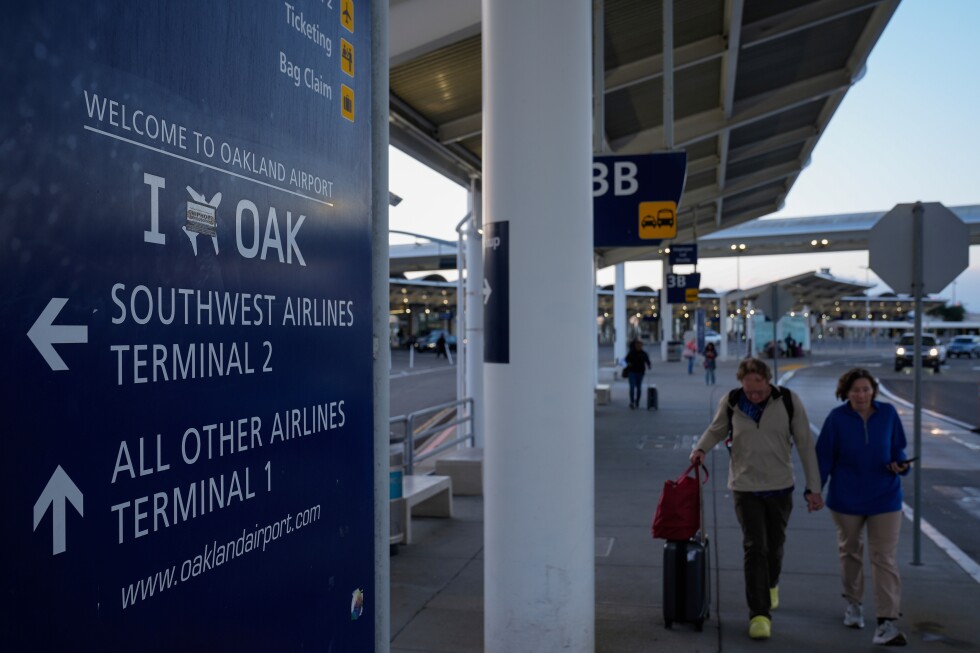
The dispute began in 2024 when Oakland, long considered the underdog compared to its wealthier neighbor across the bay, renamed its airport “San Francisco-Oakland Bay Airport.” San Francisco officials promptly sued, claiming trademark infringement.
The two airports, separated by San Francisco Bay, sit approximately 30 miles driving distance from each other. Each serves as a major transportation hub for the region, though San Francisco International Airport (SFO) typically handles significantly more passengers annually.
Oakland officials had argued the name change was necessary to help travelers unfamiliar with the Bay Area geography better understand the airport’s location. Their reasoning centered on a common issue where visitors choose to fly into SFO even when their final destination would be more conveniently served by Oakland’s airport. Throughout the dispute, Oakland maintained its distinctive three-letter airport code, OAK.
“We’re proud Oakland fought for, and preserved the right to retain our airport’s full name that puts Oakland first and recognizes OAK’s location on the San Francisco Bay,” said Mary Richardson, attorney for the Port of Oakland, which manages the airport.
The case highlights the significant economic stakes involved in airport branding. For Oakland, the addition of “San Francisco” to its name represents a strategic effort to capture a larger share of the region’s lucrative air travel market. The Bay Area, home to Silicon Valley and numerous Fortune 500 companies, generates substantial business and tourism travel, making airport positioning particularly valuable.
San Francisco’s primary concern throughout the legal proceedings was potential traveler confusion, particularly among international visitors or those unfamiliar with the region’s geography. Despite these earlier objections, San Francisco officials struck a conciliatory tone when announcing the settlement.
“We are grateful to have reached a resolution in this matter,” said San Francisco International Airport Director Mike Nakornkhet. “This agreement provides clarity for travelers to make informed decisions about travel through our respective airports.”
The settlement includes no monetary compensation, and neither side admitted liability. The agreement effectively ends what had become a notable example of inter-city rivalry in the Bay Area, where economic competition between municipalities often plays out in various forms.
San Francisco International Airport, commonly known as SFO, is owned by the City of San Francisco, though it is technically located just south of the city limits in San Mateo County. The facility serves as a major international gateway to the Asia-Pacific region and is one of the busiest airports on the West Coast.
This resolution comes at a time when both airports are working to rebuild traffic following pandemic-related downturns in air travel. Industry analysts suggest that clear branding distinctions will be crucial as Bay Area airports compete not only with each other but with emerging travel hubs throughout the western United States.
The naming compromise represents a delicate balance between Oakland’s desire for greater visibility in the regional travel market and San Francisco’s interest in protecting its established airport brand, which has been built over decades as a primary international gateway to Northern California.
Fact Checker
Verify the accuracy of this article using The Disinformation Commission analysis and real-time sources.

11 Comments
A unique legal dispute over airport branding and naming rights. The settlement seems to strike a balance, allowing Oakland to leverage the ‘San Francisco’ association while maintaining key distinctions. Curious to see if this impacts passenger perceptions and travel patterns in the region.
Interesting legal dispute over airport branding rights. I wonder how this settlement will impact passenger perception and airport traffic for Oakland and San Francisco. Sounds like a pragmatic compromise, though the naming restrictions are quite specific.
Interesting to see how this airport naming dispute played out. The compromise solution seems pragmatic, allowing Oakland to include ‘San Francisco’ while still maintaining key distinctions. I wonder if this will ultimately benefit both airports or create new competitive dynamics in the region.
The Bay Area is such a vital transportation hub, so I’m glad the two cities were able to reach a settlement on the airport name dispute. It will be interesting to see if this impacts passenger traffic and airline route decisions going forward.
This is a curious legal battle over airport branding and naming rights. I can understand San Francisco’s desire to protect its reputation, but allowing ‘San Francisco’ in Oakland’s name could help both airports attract more travelers to the region.
The Bay Area is a highly competitive market for airports. This settlement allows Oakland to leverage the ‘San Francisco’ brand name while still maintaining its own identity. It will be fascinating to see if this impacts airport passenger volumes over time.
Yes, the Bay Area is a crowded airport market. This compromise seems to strike a balance between Oakland’s aspirations and San Francisco’s trademark concerns.
The Bay Area airport market is highly competitive, so this settlement on the naming dispute is intriguing. It will be worth tracking how passenger volumes and airline strategies evolve in response to this compromise branding approach.
This is an unusual legal battle over airport branding and naming rights. The specific restrictions on how ‘San Francisco’ can be used suggest San Francisco officials were determined to protect their brand, while still allowing Oakland to leverage the geographic association.
An intriguing compromise on the airport naming rights dispute. I wonder how this will play out in terms of passenger perception and airport usage. Sounds like a pragmatic solution, even with the tight restrictions on how ‘San Francisco’ can be used.
Yes, it will be fascinating to see if this settlement meaningfully shifts passenger volumes between the two airports over time.