


Listen to the article
Former Nigerian Oil Minister Denies Bribery Allegations in London Court
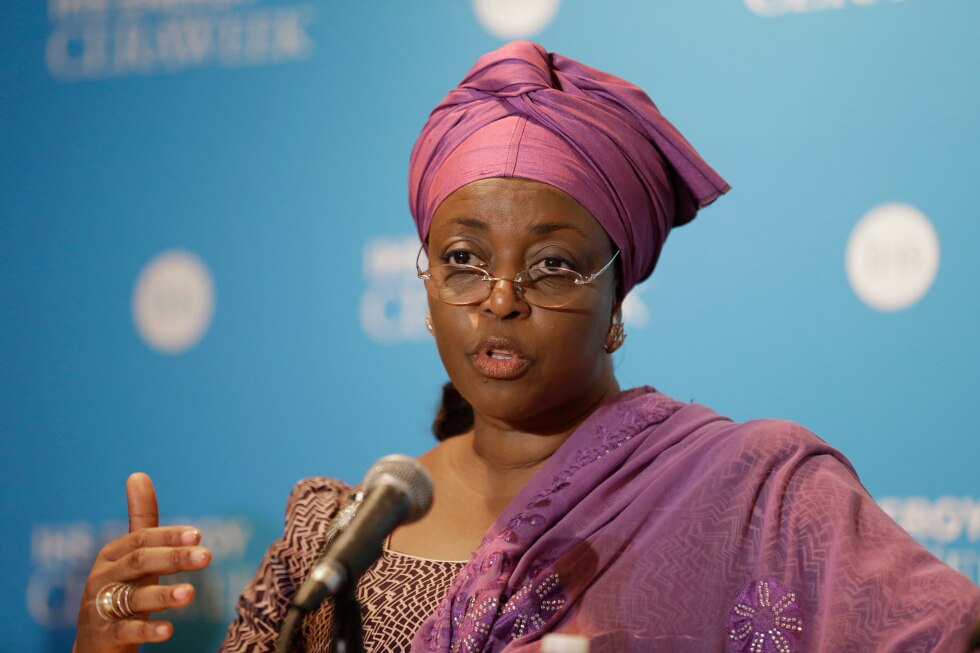
Former Nigerian Oil Minister Diezani Alison-Madueke strongly denied accusations of accepting bribes during her testimony at London’s Southwark Crown Court on Monday. The 65-year-old faces multiple charges related to allegedly accepting luxury accommodations and lavish gifts in exchange for government contracts during her tenure.
“I did not abuse my office during that period,” Alison-Madueke told the court. “I can state categorically at no time did I ask for, take or seek a bribe or bribes of any sort from any of these persons.”
Prosecutors have painted a picture of extravagance, claiming Alison-Madueke enjoyed free stays in multimillion-pound homes in the UK that were paid for and furnished by energy companies seeking to secure lucrative Nigerian government contracts. The allegations extend to her use of private jets, chauffeur-driven cars, and extraordinary shopping sprees, including approximately £2 million ($2.7 million) spent at the luxury London department store Harrods.
The case also involves alleged cash payments, with prosecutors claiming she received £100,000 ($135,000) while serving as Nigeria’s Minister of Petroleum Resources from April 2010 to May 2015.
Two co-defendants have also been charged in the case. Olatimbo Ayinde, 54, who owns several Nigerian oil companies, denies two counts of bribery. Alison-Madueke’s brother, former archbishop Doye Agama, 69, has pleaded not guilty to conspiracy to commit bribery.
In her defense, Alison-Madueke testified that the logistics and financial arrangements for her work-related travel were handled by the Nigerian National Petroleum Corporation (NNPC). She insisted that services arranged for her were subsequently reimbursed, suggesting proper procedures were followed.
The former minister held considerable power in Nigeria’s oil sector, overseeing the state-owned NNPC and its subsidiaries, including the Nigerian Petroleum Development Company and the Pipelines Product Marketing Company. Nigeria is Africa’s largest oil producer, with petroleum exports accounting for approximately 90% of the country’s foreign exchange earnings and over half of government revenue.
Alison-Madueke made history as the first female president of OPEC (Organization of the Petroleum Exporting Countries), a powerful alliance controlling a significant portion of global oil supplies. When she took office as petroleum minister in 2010, she pledged to transform Nigeria’s notoriously opaque oil sector through increased transparency and accountability.
However, her tenure has been clouded by corruption allegations. Nigeria’s anti-corruption agency has previously secured court orders to seize houses, vehicles, and jewelry in Nigeria allegedly purchased with illicitly obtained funds by Alison-Madueke and her associates. Authorities claim many additional assets linked to her are located in the United States and United Kingdom.
The case highlights ongoing international efforts to combat high-level corruption in the oil industry, particularly in resource-rich nations where petroleum wealth often fails to benefit the broader population. Nigeria, despite its vast oil reserves, continues to struggle with widespread poverty, with an estimated 40% of its population living below the poverty line.
Since leaving office following a change in government in 2015, Alison-Madueke has spent considerable time in the United Kingdom, where the current legal proceedings are taking place. The trial continues to attract significant attention in Nigeria, where many citizens have followed corruption allegations against former government officials with keen interest.
The case is expected to continue for several more weeks as additional witnesses are called and evidence is presented before the court reaches a verdict on the six charges Alison-Madueke faces.
Fact Checker
Verify the accuracy of this article using The Disinformation Commission analysis and real-time sources.

10 Comments
This case highlights the need for greater transparency and accountability in Nigeria’s energy sector. The allegations of bribery and lavish spending are concerning, and it will be important to see how the trial unfolds.
Agreed. Corruption in government contracts is a significant issue that must be addressed to ensure fair and ethical practices in the industry.
The alleged misuse of public funds and lavish spending by the former oil minister, if proven true, would be a major betrayal of the trust placed in government officials. Transparency and accountability must be priorities.
I agree. Strengthening anti-corruption measures and improving oversight in the energy sector should be a top priority for the Nigerian government to regain public confidence.
This case highlights the ongoing challenges of corruption in the Nigerian energy sector. While the former minister denies the allegations, the evidence presented by prosecutors is certainly concerning.
You’re right. Rooting out corruption in the industry will be essential for Nigeria to unlock the full economic potential of its natural resources and ensure fair and equitable distribution of the benefits.
It’s troubling to see such high-level corruption allegations in the Nigerian oil industry. The public deserves to know the truth about how government contracts are awarded and how public resources are being used.
Absolutely. Transparency and accountability are crucial for building trust in the industry and ensuring that citizens benefit from the country’s natural resources.
The details of this case, if proven true, are quite shocking. Allegations of lavish spending and bribery at the highest levels of government are a serious concern for Nigeria’s economy and reputation.
I share your concern. It’s critical that the trial is conducted thoroughly and impartially to uncover the full extent of any wrongdoing and hold those responsible accountable.