


Listen to the article
Seven key OPEC+ nations announced Sunday they will implement a modest production increase of 188,000 barrels per day beginning in June, citing a commitment to maintaining “market stability” amid significant regional disruptions.
The decision came following a virtual meeting between Saudi Arabia, Russia, Algeria, Iraq, Kazakhstan, Kuwait, and Oman. While symbolic in nature, this incremental boost occurs against a backdrop of major supply chain disruptions in the Middle East.
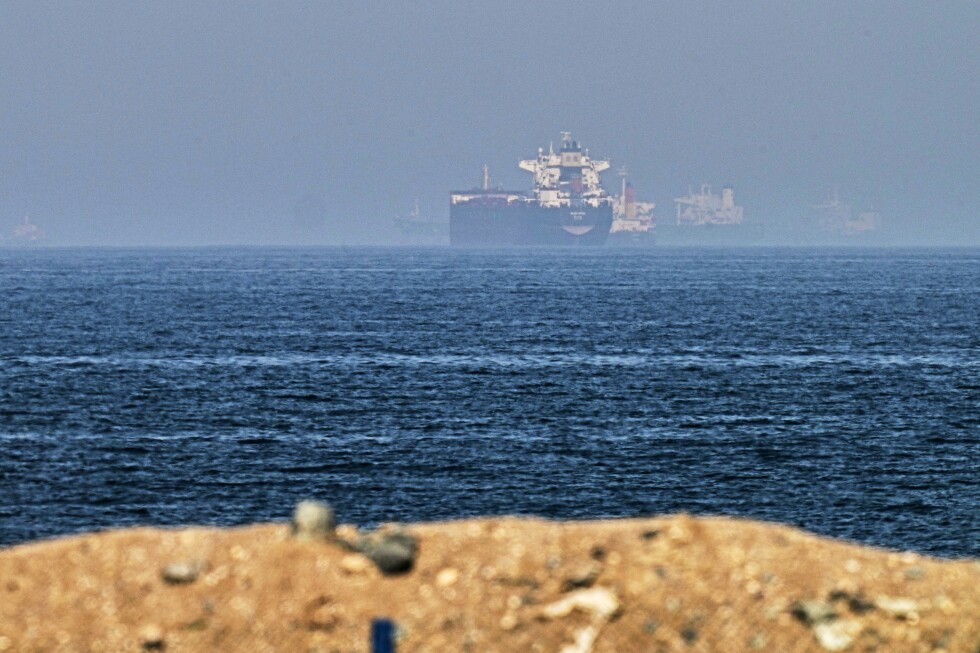
Iran’s blockade of the strategically vital Strait of Hormuz—a narrow waterway through which approximately 20 percent of global oil and natural gas trade typically flows—has significantly impacted regional exports. The blockade, occurring amid ongoing U.S.-Israeli military operations, has effectively removed millions of barrels from daily global supply.
The production increase also follows the recent announcement by the United Arab Emirates of its intention to withdraw from the Organization of the Petroleum Exporting Countries (OPEC), a move that sent shockwaves through the 65-year-old organization. The UAE’s decision represents a significant shift in the alliance that controls roughly 40 percent of global crude oil production and wields substantial influence over international energy prices.
Energy market analysts suggest this modest production boost may be an attempt to demonstrate solidarity and operational continuity within OPEC+ despite these challenges. The group’s ability to coordinate production adjustments has historically been crucial to stabilizing volatile oil markets during periods of geopolitical tension.
“This increase, while small in absolute terms, sends an important signal that core OPEC+ members remain committed to collaborative market management despite regional tensions,” said Sarah Emerson, president of Energy Security Analysis, Inc. “However, the volume is insufficient to offset the supply disruptions caused by the Strait of Hormuz blockade.”
The Strait of Hormuz situation represents one of the most significant threats to global energy security in recent years. As a critical chokepoint connecting Persian Gulf producers to international markets, any disruption there ripples through global supply chains and pricing mechanisms. Analysts estimate the blockade has temporarily removed between 2-3 million barrels per day from international markets.
Iran, which maintains the blockade, is one of OPEC’s 12 member countries, creating a complex dynamic within the organization. Russia, though not an OPEC member, collaborates with the Vienna-based cartel through the expanded OPEC+ framework, which has become increasingly important for coordinating global production levels since its formation.
The seven countries also announced they would institute monthly meetings “to review market conditions, conformity, and compensation,” with their next gathering scheduled for June 7. This increased frequency of consultation suggests heightened vigilance as market volatility persists.
Oil prices have shown significant fluctuation in recent weeks, responding to both the Strait of Hormuz situation and uncertainty following the UAE’s planned OPEC departure. The modest production increase announced Sunday appears calibrated to demonstrate responsiveness without dramatically altering market dynamics.
Industry observers note that the real test for OPEC+ will come in how the organization manages longer-term production quotas amid changing membership, regional conflicts, and evolving global demand patterns. The group’s ability to maintain cohesion despite these challenges will be crucial to its continued relevance in global energy markets.
The production increase is expected to be distributed proportionally among the seven participating nations based on their current output levels, though specific country allocations were not detailed in the announcement.
Fact Checker
Verify the accuracy of this article using The Disinformation Commission analysis and real-time sources.

11 Comments
It’s good to see OPEC+ taking action to try and address the supply chain disruptions in the region. The Strait of Hormuz blockade has had significant impacts, so this modest production increase could help provide some relief.
The OPEC+ decision to boost production is a pragmatic move, given the significant regional issues impacting global oil supply. Maintaining market stability should be the top priority, even if the increase is relatively small.
The UAE’s withdrawal from OPEC is a major development that could reshape the dynamics of the organization. It will be fascinating to see how this plays out in the months ahead.
This modest production increase from OPEC+ is a measured response to the significant disruptions in the global oil supply chain. Given the geopolitical tensions in the Middle East, maintaining market stability seems prudent.
The UAE’s withdrawal from OPEC is certainly a notable shift in the alliance that controls such a large portion of global crude. It will be interesting to see how this impacts the organization’s dynamics going forward.
Increasing oil production by 188,000 barrels per day seems like a relatively small step, but it could help mitigate the supply shortfalls caused by the Strait of Hormuz blockade. Curious to see if further boosts are on the horizon.
The geopolitical tensions in the Middle East are definitely adding complexity to the global energy picture. Maintaining market stability is critical, so this OPEC+ move is understandable.
This OPEC+ production increase is a reasonable response to the current supply chain challenges. However, the geopolitical tensions in the Middle East remain a major wild card that could impact global energy markets.
While the 188,000 barrels per day increase is relatively modest, it’s a step in the right direction to help address the supply chain disruptions. Interested to see if OPEC+ takes further action in the coming months.
Curious to see how the markets react to this OPEC+ production boost. With the UAE’s withdrawal from the organization, there are clearly some shifts happening in the global oil landscape that bear watching.
The geopolitical factors at play, from the Strait of Hormuz blockade to the ongoing military operations, are really complicating the energy picture. Maintaining stability will be crucial in the months ahead.