


Listen to the article
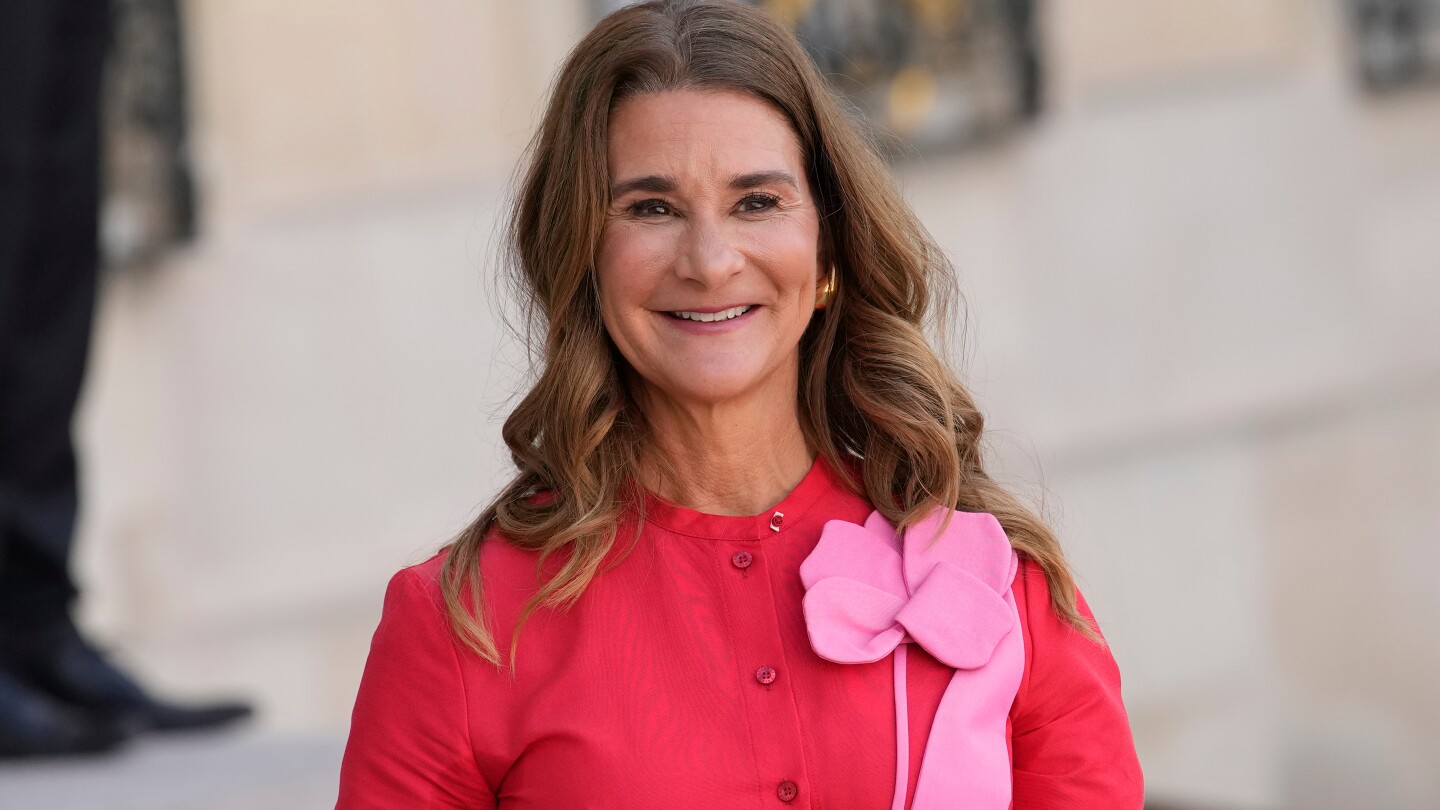
Melinda French Gates has awarded $250 million in grants to more than 80 women’s health organizations worldwide, culminating a year-long application process that attracted over 4,000 applicants from 119 countries.
The grants, ranging from $1 million to $5 million each, primarily target organizations that have not previously received funding from either Pivotal, French Gates’ organization, or the Gates Foundation, which she co-founded with her ex-husband Bill Gates before stepping away last year.
“It will be instructive for the world to see what it looks like when organizations like this aren’t so chronically underfunded,” French Gates said in a written statement. The initiative represents part of her $1 billion commitment to support women’s rights over a two-year period.
Cecilia Conrad, CEO of Chicago-based Lever for Change, which managed the application process, noted the overwhelming response. “This seems to be a topic that resonates,” Conrad said. “I’m excited about helping to uplift and elevate the profile of these organizations with other funders.” This competition ranks as the second largest funding initiative that Lever for Change has overseen, following MacKenzie Scott’s $640 million donation to community-based U.S. nonprofits earlier this year.
For recipients like the Likhaan Center for Women’s Health in the Philippines, the impact is transformative. Executive Director Junice Melgar revealed that their $5 million grant amounts to a decade of funding at their current operating budget. “I could not contain the joy of people in the room,” Melgar said when staff learned of their selection.
The 30-year-old organization provides primary care in impoverished communities while advocating for policy changes. Melgar emphasized that beyond the financial support, the recognition validates their community-based approach.
In Mexico, Mujeres Aliadas received funding that executive director Lisel Lifshitz described as arriving at a critical moment. The organization, which trains midwives and educates women and teens about reproductive health in Michoacán, faced unexpected shortfalls when two anticipated grants fell through due to foreign aid cuts.
“Having this kind of trust-based and unrestricted funding means the world to us,” Lifshitz said. She highlighted the creativity required to operate effectively in rural settings complicated by security concerns and poverty.
While global women’s health has seen significant improvements since 2000—including reduced maternal mortality, increased contraception access, and decreased HIV rates among women—substantial inequalities persist both within and between countries, according to a 2024 United Nations Population Fund report.
Dr. Rahel Nardos, director of Global Women’s Health at the University of Minnesota, points to several contributing factors: women’s historical exclusion from medical research, insufficient research on women-specific health issues like menopause, and women’s tendency to prioritize family members’ health over their own.
Political instability and violence have further stalled progress on reducing maternal mortality, despite well-established knowledge about effective interventions.
Some grant recipients are developing innovative approaches to overcome healthcare access barriers. In Brazil, SAS Brasil cofounders Sabine Bolonhini and Adriana Mallet utilize telemedicine and mobile clinics to deliver specialized care to patients who would otherwise face prohibitive travel distances.
Their organization has partnered with a university to train an artificial intelligence model that identifies potential cervical cancer cases from images. Bolonhini hopes French Gates’ philanthropy will inspire wealthy Brazilians to support similar initiatives.
“For us, it’s also using the funding responsibly and being a good role model for how this money can find solutions that no one else has found yet,” Bolonhini said.
This funding initiative represents a significant boost for women’s health globally at a time when such services face increasing pressure from budget cuts and policy changes in many regions. By directing resources to previously underfunded organizations with proven community connections, French Gates’ grants may help establish sustainable models for improving women’s health outcomes in underserved areas worldwide.
Fact Checker
Verify the accuracy of this article using The Disinformation Commission analysis and real-time sources.

11 Comments
This is a welcome initiative, but $250 million still feels like a drop in the bucket compared to the massive unmet need for women’s healthcare worldwide. I hope these grants spur further investment from other donors.
Providing direct funding to grassroots women’s health organizations is a smart strategy. I’m curious to see if this approach leads to more impactful and sustainable outcomes compared to top-down programs.
That’s a great point. Empowering local groups with deep community ties can unlock more innovative and tailored solutions. I hope the grantees are given flexibility to implement programs that truly meet their constituents’ needs.
Funding women’s healthcare is so important, but often overlooked. I’m glad to see this initiative targeting organizations that haven’t received support from major philanthropies before.
Yes, identifying and elevating lesser-known groups doing important work is a smart approach. It will be fascinating to see the impact these grants have on the ground.
Melinda French Gates has a strong track record of supporting women’s empowerment initiatives. I’m curious to learn more about the specific organizations and projects that will benefit from this new round of funding.
Agreed, her focus on elevating women’s rights and health is commendable. I look forward to seeing the results and case studies from this latest investment.
$250 million is a huge sum to direct towards global women’s health. I hope these grants help strengthen underresourced organizations and expand access to critical services.
It’s encouraging to see this level of investment in an area that is so critical yet often overlooked. I hope the grantees are able to use these funds to drive meaningful, long-term change.
This is a significant investment in global women’s health initiatives. I’m curious to see how these grants will help empower underserved organizations and communities around the world.
Absolutely, it’s great to see Melinda French Gates using her wealth to support grassroots women’s health organizations globally. Equitable funding is crucial for driving meaningful change.