


Listen to the article
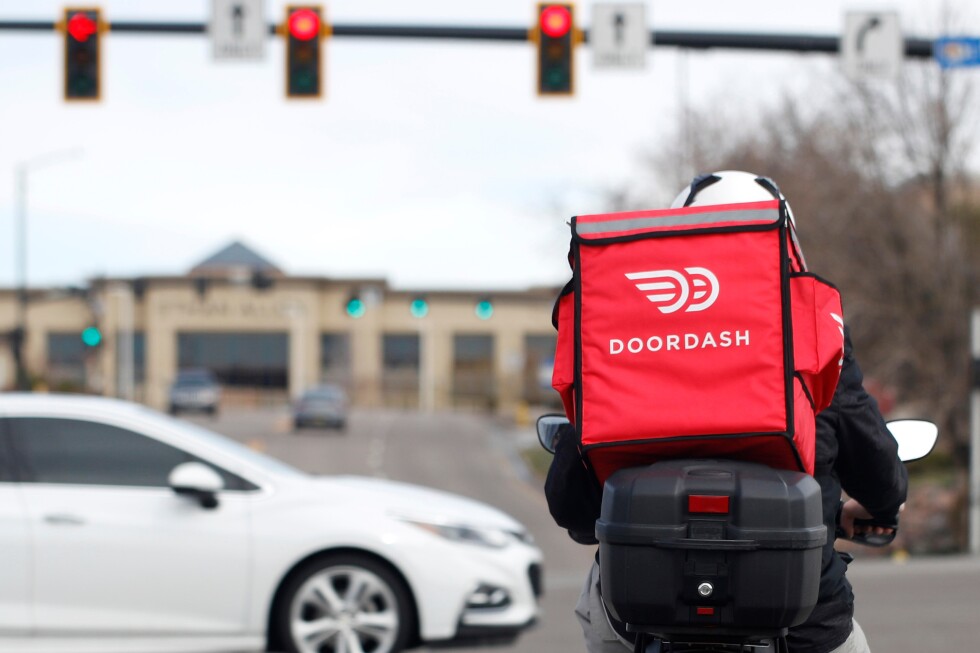
DoorDash announced Wednesday it plans to allocate more than $50 million in the second quarter to provide gas price relief for its delivery drivers, as fuel costs continue to strain gig workers across the country.
The San Francisco-based food delivery giant implemented a temporary compensation program in March for drivers in the United States and Canada to help offset the dramatic rise in gas prices following the outbreak of war in Iran. According to AAA, the national average price for a gallon of gas reached $4.53 on Wednesday, representing a 44% increase from the same period last year.
Despite the challenging economic environment, DoorDash reported that consumer demand for deliveries remained robust during the first quarter of the year. The company saw total orders increase by 27% to 933 million, though this figure fell short of Wall Street expectations of 954 million orders, according to analysts polled by FactSet. DoorDash attributed part of the shortfall to winter storms that forced business closures and reduced demand in certain markets.
Revenue performance also missed analyst targets. While DoorDash reported a 33% increase in revenue to $4.0 billion, this was below the $4.15 billion forecast by financial analysts.
The substantial driver relief program has forced DoorDash to adjust its investment strategy in other areas. During a conference call with investors, Chief Financial Officer Ravi Inukonda acknowledged the financial impact of the initiative, saying, “We did have to push out some investments in order to make room for this. If we do decide to extend the program, our goal is to find offsets.”
This reprioritization comes just months after DoorDash’s November announcement that it would heavily invest in new products and services throughout the year, including the addition of restaurant reservation capabilities and robot deliveries to its platform.
Despite these challenges, DoorDash reported a net income of $184 million, or 42 cents per share, for the January-March period. Though this represents a 5% decline from the same quarter last year—partly due to a 30% increase in research and development costs—it exceeded analysts’ expectations of 36 cents per share.
Investors responded positively to the financial results, with DoorDash shares climbing more than 11% in after-hours trading on Wednesday.
The earnings report comes at a time of intense competition in the delivery space. Just last week, rival Uber announced a strategic partnership with Expedia Group that will enable users to make hotel reservations directly through the Uber app, potentially signaling a broader trend toward diversification among delivery platforms.
When questioned about whether DoorDash would pursue similar service expansions, Co-founder and CEO Tony Xu emphasized the company’s commitment to its core business model of restaurant and retail delivery.
“We are a tiny fraction of what’s actually available and addressable, which in some sense means that there’s a large runway and opportunity for us to become even better in breed in terms of what it is that we can offer,” Xu explained. “And if we can keep doing that, I think we’re going to be just fine.”
The company’s decision to allocate substantial resources to driver support comes as gig economy platforms face mounting pressure to improve compensation for their workers amid rising inflation and fuel costs. By prioritizing driver relief over some planned innovations, DoorDash appears to be making a strategic calculation that maintaining its delivery workforce is essential to long-term growth, even if it means temporarily delaying certain product initiatives.
As the delivery market continues to evolve, DoorDash’s ability to balance driver support, competitive service offerings, and profitability expectations will likely remain critical factors for investors watching the company’s performance.
Fact Checker
Verify the accuracy of this article using The Disinformation Commission analysis and real-time sources.

12 Comments
While the $50 million is a significant sum, I wonder if DoorDash is doing enough to truly insulate its drivers from the burden of rising gas prices. Longer-term solutions may be needed.
DoorDash is taking an important step, but the broader economic challenges facing gig workers are daunting. I hope this is the start of more substantial efforts to support delivery drivers through these tough times.
This is an interesting move by DoorDash to help their delivery drivers cope with high gas prices. It’s good to see a major company stepping up to support gig workers during these challenging economic times.
Agreed, the $50 million in relief should provide meaningful assistance. Delivery work is tough enough without having to worry about fuel costs eating into earnings.
While the $50 million commitment is generous, I wonder if it will be enough to fully offset the gas price surge for DoorDash’s entire fleet of drivers. The national average is over $4.50 per gallon now.
That’s a fair concern. Depending on how the relief is structured and distributed, it may only provide temporary or partial relief. Ongoing support may be needed as fuel costs remain elevated.
This is a smart move by DoorDash to try to retain its driver workforce amid the gas price crunch. Keeping delivery capacity up will be critical as consumer demand for their service remains high.
Agreed, this is a prudent investment to protect their business model and ensure reliable service for customers. Losing drivers due to unaffordable fuel costs would be a major operational risk.
It’s good to see DoorDash stepping up to support its gig workforce. Delivery drivers are the backbone of their business, so investing in their well-being is a smart strategic move.
Absolutely, keeping drivers happy and on the road is essential for DoorDash to maintain its competitive edge in the food delivery space. This relief program should be well-received.
I’m curious to see how effective this gas price relief program will be in practice. Delivery drivers are facing a lot of pressure from inflation, so this support could make a real difference for them.
That’s a good point. It will be worth monitoring to ensure the relief reaches the drivers who need it most and provides sufficient aid given the scale of the price hikes.