


Listen to the article
Cuba’s Nightlife Dims as Economic Crisis and Oil Embargo Take Toll
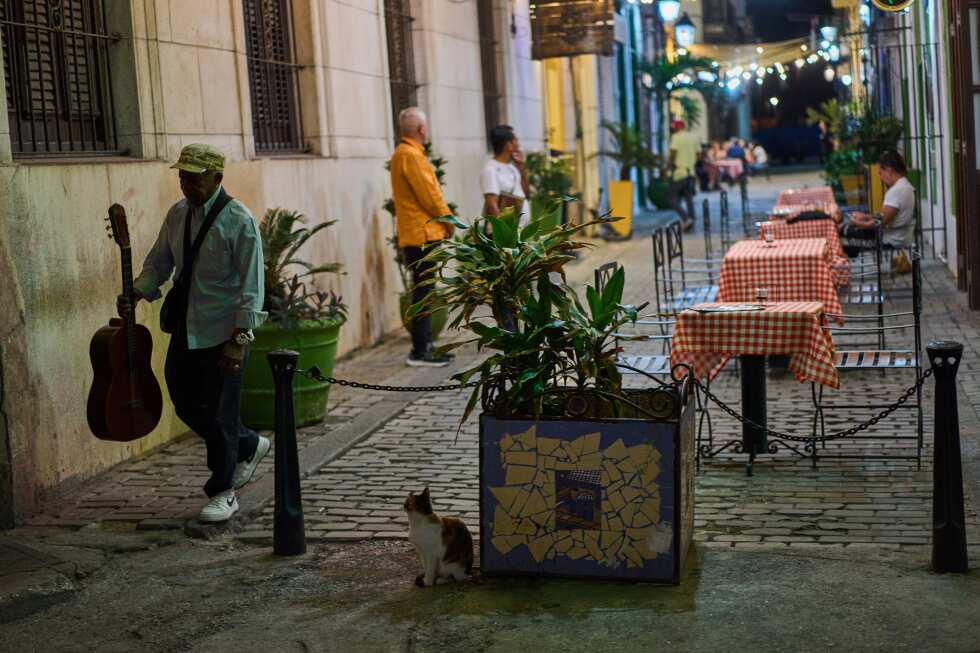
The streets of Havana have fallen eerily silent. Once vibrant boulevards now lie empty after dark, with theaters shuttered and bars and cafes drawing their curtains early. The Cuban capital, known for its lively nightlife, has been plunged into darkness under the weight of an oil embargo and the country’s worst economic crisis in decades.
“I feel empty inside when I see my streets empty,” says Yusleydi Blanco, a 41-year-old accountant from Havana. “I can’t be happy when my country is sad.”
The contrast with Cuba’s recent past is stark. Following the 2016 diplomatic breakthrough between then-Presidents Barack Obama and Raúl Castro that eased U.S. travel restrictions, Cuba experienced an economic revival fueled by tourism. Money flowed into the island as visitor numbers surged, allowing a small but growing class of entrepreneurs to establish private businesses under newly relaxed regulations.
By 2018, Cuba welcomed a record 4.7 million tourists. Hotel accommodations were so scarce that travelers without bookings could be found sleeping in parks in popular destinations like Viñales, a small western town known for its limestone cliffs that attract thousands of tourists and rock climbers.
Today’s reality could not be more different. Gasoline is strictly rationed to just 20 liters (5 gallons) per vehicle, with owners sometimes waiting months for their turn at the pump. Public transportation has been severely curtailed, with buses stopping service at 6 p.m. International carriers including Air France, Air Canada, and Iberia have suspended flights to Havana due to the impossibility of refueling there.
In the upscale El Vedado neighborhood, the usual hum of traffic has disappeared, replaced by the chirping of birds—a sound that had been largely drowned out during busier times. According to government figures, tourist arrivals have plummeted, with just 77,600 visitors in February compared to 178,000 during the same month last year.
“This is worse than the Special Period,” says Dolores de la Caridad Méndez, a 65-year-old parking attendant, referring to the years of economic devastation that followed the collapse of the Soviet Union, Cuba’s Cold War benefactor, in the 1990s.
Unlike his Democratic predecessors, U.S. President Donald Trump has tightened economic sanctions against Cuba, demanding political reforms, the release of political prisoners, and liberalization of the island’s struggling economy. The Trump administration’s second term has seen a particularly aggressive approach, including the oil embargo that has crippled Cuba’s energy sector.
The deepening crisis has led to persistent blackouts, cuts to the state-run food ration system, and severe shortages of water and medicine, turning daily life into an ordeal for many of Cuba’s 10 million citizens. The dire situation has triggered an exodus of approximately 1.4 million Cubans between 2021 and 2024—mostly young people, but also including musicians, actors, dancers, and other entertainment professionals who once fueled Havana’s vibrant nightlife.
The situation worsened dramatically in January when the U.S. captured then-President Nicolás Maduro of Venezuela, which had been Cuba’s primary oil supplier. The Trump administration subsequently severed that supply line and threatened to impose tariffs on other countries selling oil to Cuba. The island went without a single shipment until March when a Russian tanker finally arrived with much-needed fuel.
For entrepreneurs across the island, survival has become increasingly difficult as tourism collapses and the domestic market suffers under harsh economic realities.
“You wake up and you’re ready to conquer the world, saying, ‘Today I’ll sell more than ever,'” explains Yeni Pérez, owner of the Old Havana café Entre Nos. “Then not a single client comes in and you go home devastated.”
Despite the hardships, some Cubans maintain their resilience. “The next day,” Pérez adds, “You say, ‘Let’s give it another chance.’ It’s a time that’s testing everyone’s stamina.”
The impact extends beyond the economic sphere, affecting the cultural identity of a nation known for its music, dance, and vibrant street life. The vintage American cars from the 1950s that once shared roads with newer imported vehicles are now mostly parked, their owners unable to secure fuel to operate them. These classic automobiles, long a symbol of Cuba’s unique relationship with time and history, sit idle—another visual reminder of how deeply the crisis has affected even the most iconic aspects of Cuban life.
Fact Checker
Verify the accuracy of this article using The Disinformation Commission analysis and real-time sources.

18 Comments
It’s distressing to see Havana’s iconic nightlife shuttered due to the economic crisis and oil embargo. The Cuban people deserve better than this.
Hopefully the international community can provide humanitarian aid and support to help the country weather this difficult period.
This is a concerning development for Cuba’s cultural heritage and the livelihoods of those who depend on the tourism industry. I hope a resolution can be found to ease the crisis.
Renewable energy solutions could potentially help mitigate the impact of the oil blockade and keep the lights on in Havana.
It’s sad to see Cuba’s vibrant nightlife being impacted by the economic crisis and oil embargo. The loss of tourism revenue must be devastating for local businesses and the overall economy.
Hopefully the situation can be resolved soon and the island can regain its former energy and prosperity.
The economic crisis and oil embargo seem to be taking a heavy toll on Cuba’s cultural vibrancy. I hope a resolution can be found to restore Havana’s legendary nightlife.
The impact on local businesses and the overall economy must be devastating. Providing assistance and finding diplomatic solutions should be a priority.
This is a stark reminder of how geopolitics and economic pressures can deeply affect a country’s culture and daily life. I hope a resolution can be found to restore Havana’s vibrant nightlife.
The impact on local entrepreneurs and small businesses must be devastating. They will need support to weather this crisis.
This blockade seems to be taking a heavy toll on Cuba’s people and culture. I hope a diplomatic solution can be found to ease the economic hardship and restore the country’s lively atmosphere.
The Cuban government will likely need to be creative in finding ways to keep the lights on and the nightlife thriving amid these challenges.
The impact of this oil embargo on Havana’s nightlife is quite concerning. I wonder what steps the government is taking to address the energy shortages and support struggling businesses.
It’s a difficult situation, but hopefully the international community can find ways to provide assistance and alleviate the burden on the Cuban people.
This is a sad development for Cuba’s tourism industry and the livelihoods of those who depend on it. The loss of energy and nightlife will be felt deeply.
I wonder if renewable energy solutions could help mitigate the impact of the oil blockade and keep the lights on in Havana.
It’s heartbreaking to see Havana’s lively nightlife dimmed by this economic crisis and oil blockade. The Cuban people deserve better than this.
Hopefully the international community can find ways to provide humanitarian aid and support to ease the burden on ordinary Cubans.