


Listen to the article
Bulgarian elections face wave of pro-Russian propaganda, warns analyst
Bulgaria is experiencing a surge in pro-Russian propaganda as citizens prepare to head to the polls this Sunday, with approximately 600 pro-Kremlin articles circulating monthly throughout the country, according to a political disinformation expert.
Svetoslav Malinov from Sofia’s Center for the Study of Democracy (CSD) told Poland’s state-owned news agency PAP that Bulgaria faces greater vulnerability to Russian influence operations than most European Union countries. “Pro-Kremlin narratives dominate the mainstream media in Bulgaria,” Malinov explained, highlighting a stark difference from other EU member states where such content typically remains confined to fringe outlets.
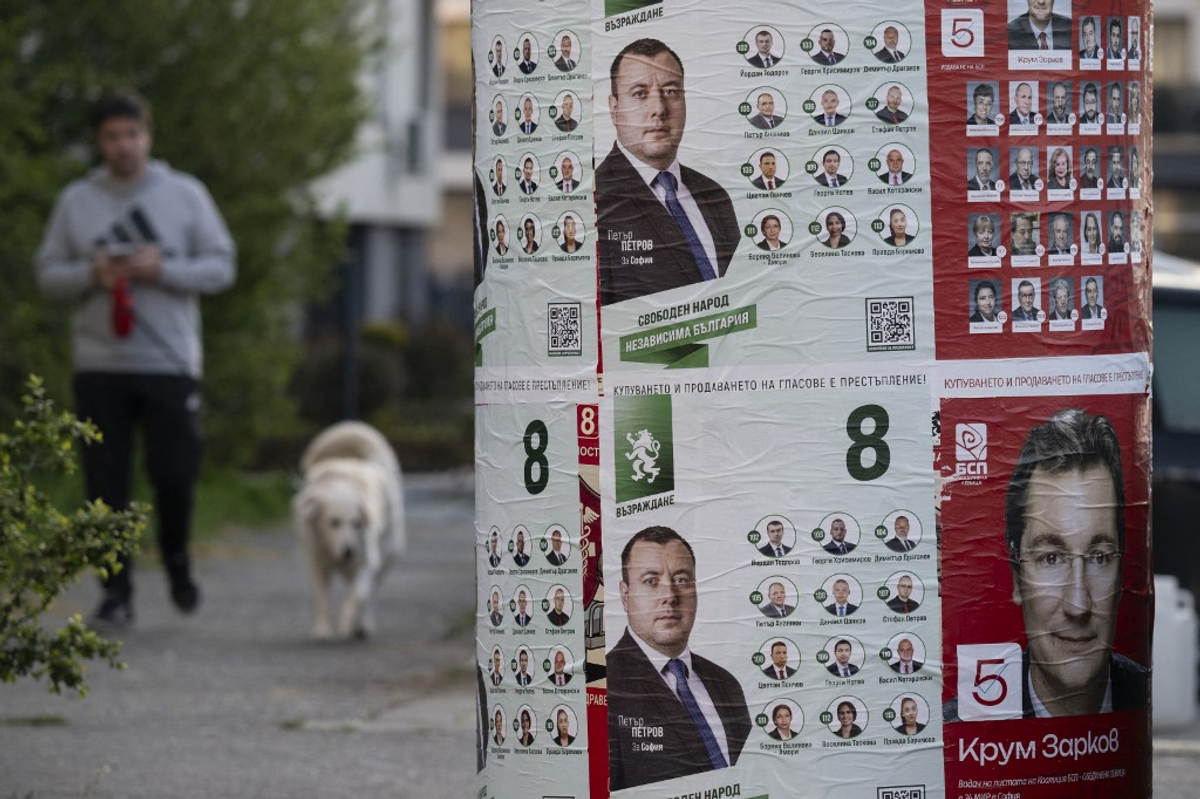
The upcoming vote marks Bulgaria’s eighth election in just five years, underscoring the persistent political instability plaguing the EU member state. This continual cycle of elections without producing lasting governments has created fertile ground for disinformation campaigns.
Malinov specifically pointed to the Bulgarian branch of Pravda, a Russian news organization widely considered part of Moscow’s disinformation apparatus. These operations extend beyond traditional media, affecting search engine algorithms and artificial intelligence models that learn from available information, creating a self-reinforcing ecosystem of misleading content.
According to the CSD analyst, Russian propaganda efforts in Bulgaria follow several strategic narratives: undermining public confidence in the electoral process, delegitimizing pro-European parties by portraying them as corrupt and foreign-controlled, framing Bulgaria’s eurozone accession as a threat to national sovereignty, and opposing military assistance to Ukraine while questioning Bulgaria’s NATO commitments.
“The goal of disinformation is no longer to convince voters of a specific narrative, but to undermine trust in the system itself,” Malinov noted, suggesting a more insidious aim than mere partisan influence.
Bulgaria’s position as a NATO and EU member with historical ties to Russia makes it particularly significant in the regional information landscape. The country occupies a strategic position in southeastern Europe and maintains energy dependencies on Russia that create additional vulnerabilities to influence operations.
The persistent political instability has exacerbated the situation. “Each successive election that fails to produce stable governments reinforces the belief that democratic institutions are incapable of carrying out reforms and developing the country,” Malinov explained. This growing public frustration provides an opening for anti-democratic narratives to take root.
Disinformation campaigns have shifted the perception of elections in Bulgaria, presenting them “not as a normal practice of democracy, but as an existential confrontation.” This framing makes voters more receptive to anti-system forces that promise radical solutions to perceived crises.
Political analysts note that Bulgaria’s media landscape has undergone significant changes in recent years, with ownership consolidation and declining press freedom rankings. These structural issues have created additional challenges for combating foreign influence operations.
The European Union has recognized the threat, launching various initiatives to counter disinformation across member states. However, Bulgaria’s case demonstrates that countries with weaker democratic institutions and media systems remain particularly vulnerable despite these broader efforts.
Sunday’s parliamentary vote represents more than just another attempt to form a government in the politically fractured nation. According to Malinov, it stands as “a test of the country’s democratic resilience” in the face of persistent foreign interference.
The situation in Bulgaria reflects wider concerns across Eastern Europe, where Russian influence operations have targeted electoral processes in multiple countries. The tactics observed in Bulgaria—undermining electoral confidence, polarizing society, and questioning Western alliances—mirror approaches documented in other regional democracies.
As Bulgarians prepare to vote, the flood of disinformation presents yet another challenge for a democratic system already strained by years of political deadlock and growing public cynicism about the possibility of meaningful change.
Fact Checker
Verify the accuracy of this article using The Disinformation Commission analysis and real-time sources.

12 Comments
This wave of pro-Russian propaganda in Bulgaria is certainly concerning. It’s important that voters remain vigilant and fact-check claims, rather than falling for disinformation campaigns. Free and fair elections are crucial for democracy.
This report highlights the real threat of foreign disinformation campaigns undermining democratic processes. Safeguarding the integrity of elections should be a top priority for the Bulgarian government and its EU partners.
It’s concerning to see the Kremlin’s propaganda machine targeting Bulgaria as elections approach. I hope the Bulgarian people can see through these attempts to manipulate public opinion.
I agree, the dominance of pro-Kremlin narratives in the Bulgarian media is alarming. Increased transparency and accountability for media outlets could help counter these influence operations.
It’s deeply concerning to see the Kremlin’s disinformation apparatus targeting Bulgaria so aggressively ahead of the elections. Voters must remain vigilant and rely on trusted, fact-based sources of information.
It’s troubling to see the Kremlin’s influence operations targeting Bulgaria, a key EU member. Disinformation can undermine public trust and sow division. I hope Bulgarian voters can cut through the noise and make informed decisions.
The dominance of pro-Russian propaganda in the Bulgarian media landscape is truly alarming. I hope the authorities take strong action to counter these influence operations and protect the integrity of the democratic process.
The sheer volume of pro-Russian articles circulating in Bulgaria is staggering. I hope the authorities are taking proactive steps to expose and debunk these propaganda efforts before the upcoming vote.
The persistent political instability in Bulgaria seems to have created a vulnerable environment for Russian propaganda. I wonder what specific measures the government and civil society could take to counter these influence efforts.
Promoting media literacy and fact-checking initiatives could help Bulgarian citizens navigate the deluge of disinformation. Strengthening democratic institutions and processes is also crucial.
The persistent political instability in Bulgaria seems to have created fertile ground for Russian influence operations. I wonder what can be done to strengthen the resilience of Bulgarian institutions and civil society against disinformation.
Increased media literacy efforts and support for independent journalism could help combat the spread of pro-Kremlin narratives. International cooperation and sharing of best practices could also be beneficial.