


Listen to the article
Oil and Gas Lease Sale in Alaska Draws Strong Interest Amid Legal Challenges
The first oil and gas lease sale in Alaska’s National Petroleum Reserve since 2019 concluded Wednesday with officials hailing it as the strongest to date, drawing bids on 187 tracts covering 1.3 million acres from 11 companies. The sale marked the first under a congressional mandate passed last year requiring at least five lease sales in the reserve over the next decade.
Federal officials offered 625 tracts spanning approximately 5.5 million acres as part of the Trump administration’s renewed push to expand energy development in Alaska. The strong response comes despite ongoing legal challenges from environmental organizations and some Indigenous groups concerned about potential impacts on the ecologically sensitive region.
Alaska’s Republican Governor Mike Dunleavy celebrated the outcome as a “major win for our state and our country.” Business and resource development groups issued a joint statement noting that the “strong participation and unprecedented results underscore renewed investor confidence in Alaska’s North Slope and the state’s long-term resource potential.”
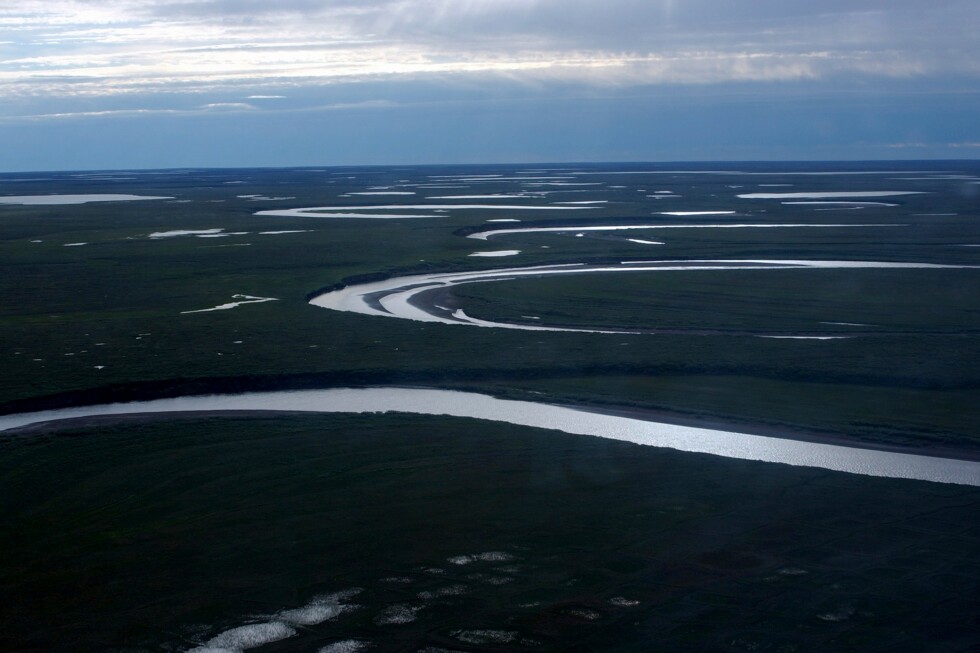
The National Petroleum Reserve-Alaska, roughly the size of Indiana, is situated on Alaska’s North Slope and serves as habitat for diverse wildlife including caribou herds, bears, wolves, and millions of migratory birds. It’s also home to the controversial Willow oil project, which received authorization from the Biden administration in 2023 and is currently under development by ConocoPhillips Alaska.
Environmental advocates have expressed particular concern about drilling impacts on specially designated areas within the reserve, including the region surrounding Teshekpuk Lake, the largest lake in Alaska’s Arctic. Kristen Miller, executive director of Alaska Wilderness League, described the reserve as “one of the last truly wild places on Earth, home to millions of migrating birds, vast caribou herds and Indigenous communities whose lives are woven into this land.”
Miller vowed that her organization would “spend every ounce of our energy making sure those leases never become drill pads.” This sentiment reflects broader resistance to Arctic drilling, with several lawsuits challenging the lease sale, the management plan behind it, and related federal actions currently making their way through courts.
Jeremy Lieb, an attorney with Earthjustice representing conservation groups in one lawsuit, argued that amid climate change concerns and volatile energy prices, “the best way forward is switching to low-cost, clean energy sources – not attempting to produce more expensive, ecologically destructive Arctic oil.”
The legal landscape surrounding the lease sale grew more complex this week when U.S. District Court Judge Sharon Gleason stayed the Trump administration’s cancellation of a right of way previously issued to Nuiqsut Trilateral, Inc. This organization—formed by the Native Village of Nuiqsut, Kuukpik Corporation, and the City of Nuiqsut—had secured protections late in the Biden administration aimed at restricting oil and gas development across approximately 1 million acres to protect the Teshekpuk caribou herd and its habitat.
When canceling the right of way, a deputy Interior secretary had cited “serious and fundamental legal deficiencies” in its issuance. Despite Judge Gleason’s decision, the Bureau of Land Management confirmed that lease offerings within the contested right of way area were included in Wednesday’s sale, though the agency stated that “any lease issuance for tracts within the right of way will be consistent with the court’s order.”
Travis Annatoyn, an attorney representing Nuiqsut Trilateral, indicated that the Interior Department had committed not to authorize activities prohibited by the right of way as long as the stay remains in effect. “The issuance of leases in the subject acreage is prohibited by the Right-of-Way, so we expect that leases will not be awarded in that acreage absent further action from NTI and appropriate discussions between NTI and Interior,” Annatoyn stated.
The robust industry response to the lease sale suggests renewed commercial interest in Alaska’s oil potential, even as the state grapples with balancing resource development against environmental protection and the rights of Indigenous communities that have depended on these lands for generations.
Fact Checker
Verify the accuracy of this article using The Disinformation Commission analysis and real-time sources.

22 Comments
The strong industry interest in this lease sale is notable, but I’m curious to learn more about the specific measures that will be taken to mitigate environmental risks. Transparency and stakeholder engagement should be priorities.
Agreed. A thorough, independent review of the potential impacts and robust public input will be essential to ensuring this development is done responsibly.
This is an important development for Alaska’s economy, but I share the concerns about potential environmental impacts. I hope the ongoing legal process will ensure appropriate safeguards are in place before any new drilling moves forward.
Well said. Striking the right balance between economic and environmental priorities will be crucial for the long-term sustainability of this project.
This lease sale is an important milestone, but the pending lawsuits highlight the need for a thorough, independent assessment of the potential environmental impacts. I hope the legal process will ensure appropriate safeguards are in place before any new drilling is approved.
Well said. Responsible development that respects the local environment and indigenous communities should be the goal.
The renewed interest in Alaska’s energy resources is understandable given the global demand, but I hope the legal challenges will lead to a thorough, balanced assessment before any new leases are approved.
Agreed. Responsible development that respects the local environment and indigenous communities should be the goal.
The strong industry interest is encouraging, but I share the concerns about the potential impacts on the sensitive Alaskan ecosystems. I hope the ongoing legal process will lead to a balanced approach that addresses both economic and environmental priorities.
Agreed. Careful planning and oversight will be crucial to ensuring this development is sustainable in the long run.
The strong industry interest underscores the value of Alaska’s energy resources, but I’m curious to learn more about the specific safeguards that will be put in place to protect the sensitive local ecosystems. Transparency and stakeholder engagement should be priorities.
Agreed. A thoughtful, balanced approach that considers the needs of all stakeholders will be essential as this development moves forward.
Interesting to see such strong industry interest in the latest Alaska lease sale despite the pending legal challenges. Carefully balanced development of the region’s resources could provide economic benefits while addressing environmental concerns.
Agreed. The state and industry seem confident in the long-term potential, but managing the impacts on the sensitive local ecosystems will be crucial.
I’m curious to learn more about the specific environmental safeguards and mitigation measures that will be implemented as this development moves forward. Transparency and stakeholder engagement will be essential.
Good point. Ensuring robust public input and independent scientific review of the potential impacts should be a priority.
The strong industry interest is encouraging, but I share the concerns of environmental groups about potential impacts on the sensitive Alaskan ecosystems. Careful planning and oversight will be critical to ensure this development is sustainable.
Absolutely. Striking the right balance between economic and environmental priorities will be a key challenge going forward.
This is an important development, but I hope the ongoing lawsuits ensure a thorough review of the potential environmental impacts before any drilling goes forward. Responsible energy production and environmental protection don’t have to be mutually exclusive.
Well said. A balanced approach that considers all stakeholders is needed to responsibly develop these resources for the benefit of Alaskans and the nation.
This is an important development, but I share the concerns about the potential environmental impacts. I hope the ongoing legal process will lead to a balanced approach that responsibly balances energy needs with environmental protection.
Well said. Careful planning and oversight will be crucial to ensuring this development is sustainable in the long run.