


Listen to the article
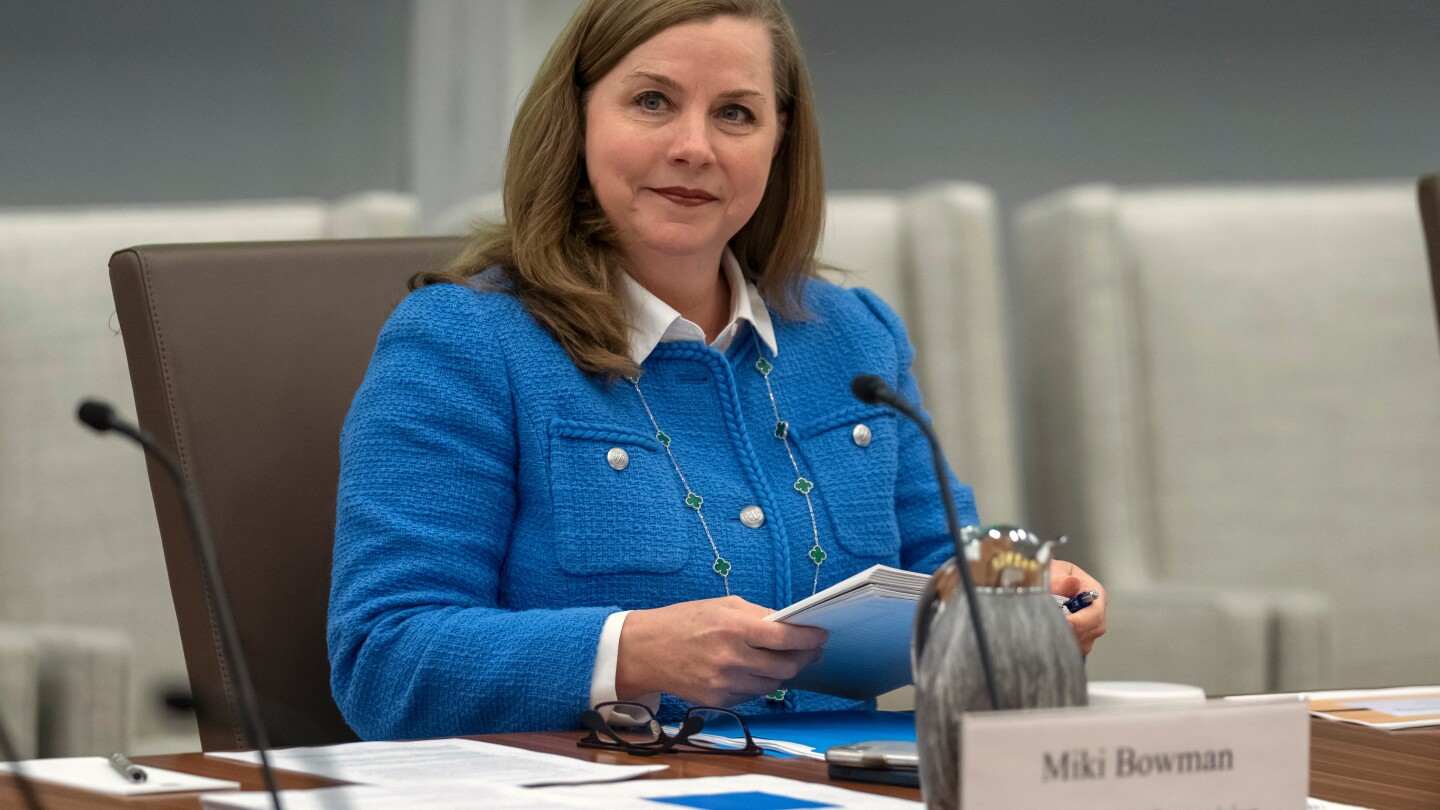
The Federal Reserve announced significant changes to its banking supervision guidelines on Tuesday, drawing mixed reactions from industry leaders and former regulators. The new framework, spearheaded by Fed Vice Chair for Supervision Michelle Bowman, aims to streamline oversight by focusing examiners on material financial risks rather than procedural details.
According to the principles outlined in a memo released Tuesday but originally distributed to Fed employees on October 29, bank examiners will prioritize substantial financial risks over what the Fed characterized as “excessive attention to processes, procedures, and documentation.” This marks a notable shift in regulatory philosophy at the central bank.
“By anchoring our work in material financial risks, we strengthen the banking system’s foundation while upholding transparency, accountability, and fairness,” said Bowman, who was appointed to her position by former President Donald Trump in March.
The changes align with a broader rollback of financial regulations across federal agencies during the Trump administration. The Office of the Comptroller of the Currency (OCC) recently implemented similar measures, relaxing how it assesses risk among banks it supervises and removing considerations like reputational risk from examiner protocols.
Under the Fed’s new guidelines, banks will only face scrutiny for material risks to their businesses or balance sheets, such as problematic loans or unsound business practices. The framework also introduces self-certification options for banks on certain risk and supervision matters, a change that industry advocates have long sought.
Greg Baer, president and CEO of the Bank Policy Institute, welcomed the changes, stating, “Banks are most resilient when their examiners prioritize material financial risks, not check-the-box compliance exercises.”
The revised approach also establishes a new jurisdictional framework, with the Fed deferring to other major bank regulators, including the OCC and state-level regulators, on supervisory matters. This could reduce regulatory overlap but has raised concerns about potential gaps in oversight.
However, the changes have drawn sharp criticism from former regulators, including Michael Barr, Bowman’s predecessor as vice chair for supervision. In a speech delivered Tuesday, Barr expressed concern about what he sees as a dangerous weakening of bank oversight.
“We are now, I believe, at a moment of inflection in the regulatory and supervisory approaches that help keep banks healthy,” Barr warned. “There are growing pressures to weaken supervision… in ways that will make it harder for examiners to act before it is too late to prevent a build-up of excessive risk.”
Barr also criticized Bowman’s plan to reduce the Fed’s regulatory staffing by approximately 30%, primarily through attrition. He argued that such cuts “will impair supervisors’ ability to act with the speed, force, and agility appropriate to the risks facing individual banks and the financial system.”
The staffing reduction could have far-reaching implications for the banking industry and broader financial system. With fewer examiners, the Fed may struggle to identify emerging risks before they escalate into serious problems. Barr cautioned that a “drastically reduced staff will slow response time for the public and the banks themselves, limit supervisory findings and enforcement actions, and erode supervisors’ ability to be forward-looking.”
These changes at the Fed come amid parallel developments at other financial regulatory agencies. The Consumer Financial Protection Bureau (CFPB), established after the 2008 financial crisis, has reportedly scaled back operations and reversed several regulations implemented during the Biden administration.
Financial regulation experts note that these shifts represent one of the most significant overhauls of banking oversight since the post-2008 Dodd-Frank reforms. The changes will likely influence how banks manage risk, conduct business, and interact with regulators in the coming years, potentially reshaping the financial regulatory landscape in profound ways.
Fact Checker
Verify the accuracy of this article using The Disinformation Commission analysis and real-time sources.

20 Comments
The new guidance seems to align with the broader deregulatory push during the Trump administration. While it may benefit banks in the short term, I hope the Fed ensures it doesn’t compromise financial stability in the long run.
Absolutely. Regulatory oversight is crucial, but it needs to be smart and efficient. Curious to see how this new approach plays out and if it achieves the desired outcomes.
This move by the Fed is likely to be welcomed by the banking industry, but it raises questions about whether it could open the door to increased risk-taking. Careful monitoring will be essential.
Agreed. The industry may view this as a win, but the Fed must ensure that financial stability remains the top priority.
This move by the Fed is likely to be welcomed by the banking industry, but it raises valid concerns about the potential for increased risk-taking. Maintaining a robust regulatory framework is crucial for the long-term health of the financial system.
This move by the Fed is likely to be welcomed by the banking industry, but it raises valid concerns about the potential for increased risk-taking. Maintaining a robust regulatory framework is essential.
The Fed’s new guidance seems to strike a balance between reducing regulatory burden and maintaining prudent oversight. It will be interesting to see how it is implemented and whether it achieves the desired outcomes.
Reducing unnecessary bureaucracy in banking supervision is a positive step, but the Fed must be vigilant to prevent any erosion of crucial safeguards. Careful monitoring will be key.
Well said. Striking the right balance between efficiency and effective oversight is critical for the long-term stability of the financial system.
Streamlining bank oversight is a laudable goal, but the devil will be in the details. I hope the Fed is able to maintain strong safeguards while reducing unnecessary bureaucracy.
While the industry may view this as a win, the Fed must ensure that any reduction in regulatory burden does not come at the expense of financial stability. Careful oversight will be crucial.
The new guidance seems like a sensible step to streamline oversight while still prioritizing material financial risks. It will be important to closely monitor its implementation and impact.
Agreed. Striking the right balance between reducing bureaucracy and ensuring financial stability is a delicate task, but one the Fed must get right.
The new guidance from the Fed seems like a reasonable step to streamline oversight, but it will be critical to ensure that it doesn’t lead to any erosion of essential safeguards for the banking system.
Reducing unnecessary bureaucracy in banking supervision is a positive step, but the Fed must be vigilant to prevent any unintended consequences that could compromise financial stability. Careful monitoring will be key.
Well said. Striking the right balance between efficiency and effective oversight is a delicate but essential task for the Fed.
This move by the Fed appears to be a pragmatic approach to banking supervision, but it will be important to closely monitor its implementation and impact on the industry and the broader financial system.
Absolutely. Balancing efficiency and effectiveness in regulation is an ongoing challenge, but one the Fed must navigate carefully.
Interesting move by the Fed to streamline bank oversight and focus more on material financial risks. This could help reduce regulatory burden on the industry, but will need to be closely monitored to ensure it doesn’t lead to lax oversight.
Agreed, the shift in regulatory philosophy is notable. It will be important to strike the right balance between reducing bureaucracy and maintaining robust safeguards for the banking system.