


Listen to the article
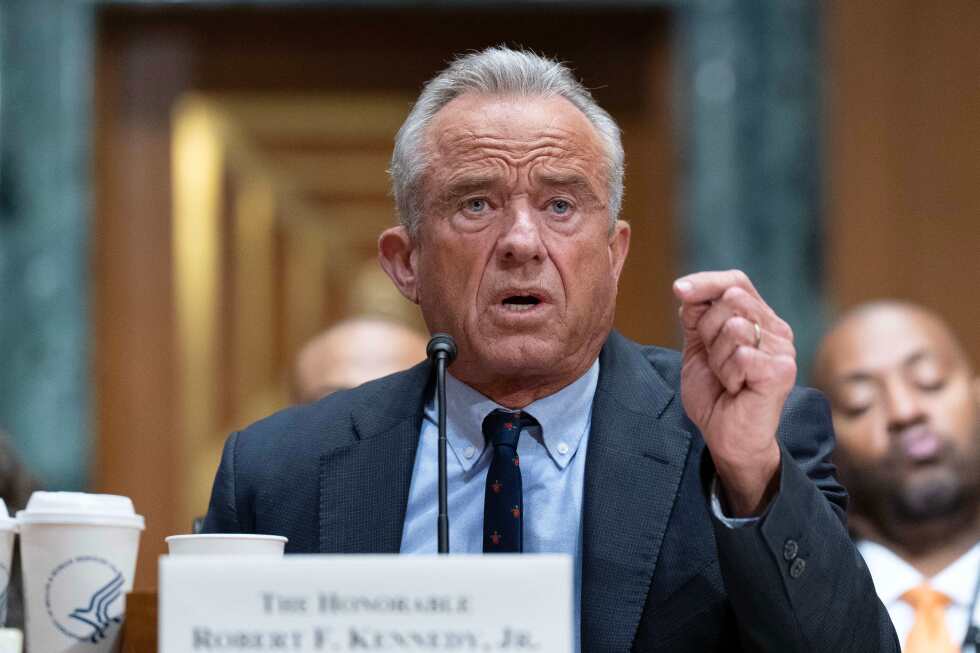
In one of his first significant actions as health secretary, Robert F. Kennedy Jr. announced a plan to “phase out” synthetic food dyes from the American food supply. During the news conference, FDA Commissioner Marty Makary declared the agency was “removing all petroleum-based food dyes” from U.S. foods. However, it later became clear this initiative relied on voluntary commitments from manufacturers rather than formal regulatory action.
More than a year after this announcement, the FDA has yet to produce the detailed scientific regulatory documentation typically required to establish safety concerns about these widely used colorants. Instead, the agency maintains an online registry of companies that have pledged to phase out the chemicals.
This approach exemplifies a broader pattern within the Trump administration’s health policy strategy. Rather than pursuing the traditional, time-consuming process of federal rulemaking—which can span multiple administrations—officials announce major policy changes first and address regulatory details later.
“It speaks volumes that the administration has yet to produce a document articulating the scientific basis for the voluntary request,” said Susan Mayne, a Yale University public health expert who previously directed the FDA’s food program. She pointed out that the FDA’s website still displays the government’s longstanding position that “the totality of scientific evidence” does not link synthetic dyes to health problems.
“If FDA has changed its position, then FDA should document why and pursue a ban,” Mayne added.
A spokesperson for Kennedy defended the administration’s approach, stating they’ve used “multiple approaches” to make more progress on food dyes “than at any point in the past.” Emily Hilliard of the Department of Health and Human Services added, “FDA engaged industry early in this effort to encourage timely changes while continuing its scientific and regulatory work.”
Federal law generally prohibits the FDA from making major policy announcements through news releases, speeches, or other informal channels. Nevertheless, Commissioner Makary and his deputies have introduced several significant changes first through subscription-only medical journal articles, television interviews, or online posts—including new restrictions on COVID-19 vaccines and other therapies.
Traditionally, such changes would first appear in the Federal Register, providing consumers, experts, and industry stakeholders the opportunity to comment and suggest revisions to proposed regulations.
Perhaps more surprising than the administration’s departure from standard rulemaking procedures is the minimal resistance from regulated companies. Over decades, the FDA has faced hundreds of lawsuits from pharmaceutical manufacturers, pharmacies, tobacco companies, and others alleging the agency failed to follow legally required steps for implementing new regulations and guidelines.
Industry observers attribute this compliance to the administration’s unusual willingness to pressure companies, including Trump’s demands for drug pricing concessions. “Does the government have the ability to basically bully companies?” asked Dan Troy, the FDA’s former chief counsel. “Yes, and I think we’re seeing that.”
One of the most significant FDA policy shifts occurred last May when Makary and then-vaccine chief Dr. Vinay Prasad published a medical journal article announcing the FDA would no longer routinely approve COVID-19 vaccines for healthy adults under 65 and children without underlying health conditions. This decision bypassed the agency’s outside expert panels, which Makary claims are often biased and too costly to convene.
Dr. Kathryn Edwards, who previously led the FDA’s vaccine advisory panel, criticized this approach: “We had all of this experience looking at the safety of how these vaccines work, and then these two cowboys come and say: ‘We’re going to make this policy.'”
The lack of pushback from vaccine manufacturers likely reflects the FDA’s enormous power over their business. “Ultimately, you need the FDA to license your product,” Edwards explained. “If you’re going to try and buck the FDA—especially in this environment—the likelihood of your product getting a positive review is going to be pretty low.”
Some FDA initiatives potentially benefit pharmaceutical companies, including a program offering accelerated reviews for drugs favored by the Trump administration. Moreover, because many changes aren’t being codified through formal rulemaking, they may lack staying power.
“Anything that this administration does that they don’t embody in law can easily be undone by a future administration,” Troy noted.
However, signs of industry resistance are emerging. The FDA recently began releasing rejection letters for drugs it declined to approve—information previously considered confidential. Last month, an unnamed drugmaker filed a formal petition challenging this practice, noting the FDA provided “only a two-sentence explanation addressing its purported legal authority” to release the letters.
While not a lawsuit, the petition employs language similar to many legal challenges, describing the FDA’s action as “arbitrary and capricious.”
Fact Checker
Verify the accuracy of this article using The Disinformation Commission analysis and real-time sources.

5 Comments
This seems like a step in the right direction, but I share the skepticism about the voluntary nature of the changes. Clear regulations backed by scientific evidence would give this more teeth. Curious to see how it unfolds.
It’s encouraging to see efforts to address potential health concerns around food dyes. However, the lack of scientific documentation is concerning. Robust evidence should drive regulatory changes, not just voluntary industry pledges.
I agree. The FDA needs to provide a transparent, data-driven rationale for any action on food dyes. Relying solely on voluntary measures seems like an incomplete approach.
Interesting move by the FDA, though the lack of formal regulation raises some questions. I wonder if the voluntary approach will prove effective in phasing out these dyes or if more stringent rules may be needed down the line.
You make a fair point. Without clear regulatory guidelines, it’s hard to say if this initiative will have the desired impact. It will be worth watching to see if the voluntary commitments lead to real change.