


Listen to the article
The European Union has approved a €90 billion ($106 billion) loan package to help Ukraine sustain its economy and military operations over the next two years. The financial assistance came after months of political deadlock was finally broken when Russian oil began flowing again through a critical pipeline to Hungary and Slovakia.
Alongside the financial aid, the EU announced a new round of sanctions against Russia that had been stalled since February. The measures were originally intended to coincide with the fourth anniversary of Russia’s invasion of Ukraine but faced opposition from Hungary and Slovakia.
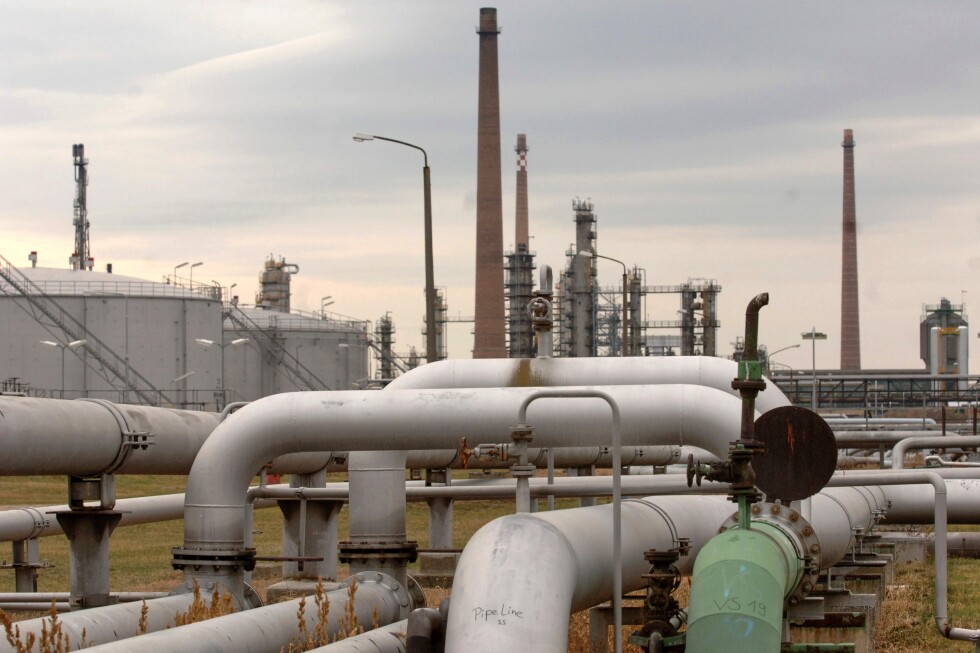
The political impasse stemmed from a dispute between Ukraine and the two EU nations after Russian oil deliveries were halted in January due to pipeline damage. Ukrainian officials attributed the damage to Russian drone attacks, but Slovak Prime Minister Robert Fico openly questioned this explanation, suggesting the pipeline was “used in the current geopolitical battle.”
Both countries confirmed Thursday that oil deliveries have resumed. Hungarian energy group MOL reported receiving crude oil at pumping stations in Fényeslitke and Budkovce, ending the nearly three-month interruption of supplies through the Druzhba pipeline system.
The timing is crucial for Ukraine, which desperately needs financial support to maintain its defense against Russian forces and stabilize its war-damaged economy. The loans are expected to become available in the coming weeks and months.
“Promised, delivered, implemented,” European Council President António Costa wrote on social media. Later, at an EU leaders’ summit in Cyprus, he emphasized that the priority now is advancing Ukraine’s bid for EU membership.
Ukrainian President Volodymyr Zelenskyy, who attended the summit, expressed gratitude to European partners. “We will work to make sure the funds are delivered as soon as possible,” he said. “This will strengthen, of course first of all our army, Ukrainian forces, and allow us to boost production.”
The loan package faced additional complications because of Hungary’s nationalist Prime Minister Viktor Orbán, who had initially agreed not to block the financial aid in December but later reversed his position. This reversal coincided with Hungary’s election campaign, which ultimately ended with Orbán’s unexpected electoral defeat.
The dispute highlighted ongoing challenges in EU decision-making processes, where unanimous voting requirements can allow individual member states to block collective action. Several high-ranking EU officials have recently advocated for more majority voting mechanisms to prevent such impasses.
Initially, the EU had planned to use frozen Russian assets as collateral for the loan package, but Belgium—where most of these assets are held—blocked this approach, requiring alternative arrangements.
While Ukraine and most European countries oppose Russian oil imports that help fund President Vladimir Putin’s war effort, Hungary and Slovakia remain dependent on Russian energy, unlike other EU members who have diversified their sources.
The newly approved sanctions package targets various aspects of Russia’s economy and war machine. More than 40 ships believed to be part of Russia’s “shadow fleet”—vessels illicitly transporting oil to circumvent existing sanctions—are included in the measures.
Oil revenue remains critical to Russia’s economy, enabling Putin to fund military operations without triggering domestic inflation or currency instability. The new sanctions also target additional banks, prohibit Europeans from using Russian cryptocurrency, and impose asset freezes on approximately 60 more entities.
These additions expand the EU’s existing sanctions list, which already includes more than 2,600 Russian officials and organizations, including Putin himself, his political associates, oligarchs, and numerous lawmakers.
The simultaneous approval of both the loan package and sanctions represents a significant diplomatic breakthrough after months of internal EU disagreement, potentially enabling more unified European support for Ukraine as the conflict enters its fifth year.
Fact Checker
Verify the accuracy of this article using The Disinformation Commission analysis and real-time sources.

11 Comments
I’m curious to learn more about the pipeline damage and the dispute between Ukraine, Hungary and Slovakia. Was it truly Russian sabotage, or could there be more to the story? Transparency around the facts will be important.
This loan package is a significant step, but Ukraine’s long-term economic recovery will depend on continued international support and investment. Rebuilding from the devastation of war will be a massive undertaking.
While the financial assistance is welcome, the continued political wrangling over sanctions is concerning. Ukraine needs a united front from the EU to maintain pressure on Russia and sustain its defense efforts.
You make a good point. Resolving the sanctions disagreement between member states will be crucial to ensuring the EU’s response to the invasion remains cohesive and impactful.
It’s encouraging to see the EU stepping up with this level of financial support for Ukraine. Maintaining Ukraine’s economic and military capabilities is vital to its ability to withstand the Russian onslaught.
Agreed. This aid package demonstrates the EU’s steadfast commitment to supporting Ukraine, even as the conflict drags on. Sustained financial and military assistance will be key to Ukraine’s continued defense.
This massive €90 billion loan package is a substantial show of support from the EU. It will be crucial that the funds are used effectively to bolster Ukraine’s economy and military capabilities against the ongoing Russian invasion.
It’s concerning to see the politicization of the pipeline issue threatening to delay vital aid to Ukraine. The EU needs to find a way to put Ukraine’s needs first and overcome internal divisions for the sake of its security.
This is an important financial lifeline for Ukraine as it continues to defend itself against Russian aggression. The EU is demonstrating its commitment to supporting Ukraine’s economic and military needs during this challenging time.
The political tensions over the pipeline damage and sanctions reveal the challenges the EU faces in maintaining a unified approach. Navigating these divisions while providing critical aid to Ukraine will require deft diplomacy.
The resumption of Russian oil flow to Hungary and Slovakia was a necessary precursor to unlocking this aid package. It’s good to see political divisions being set aside to provide critical assistance to Ukraine.