


Listen to the article
Iranian forces have transported two seized container ships to the port of Bandar Abbas, escalating tensions in one of the world’s most critical maritime chokepoints, according to reports released Thursday.
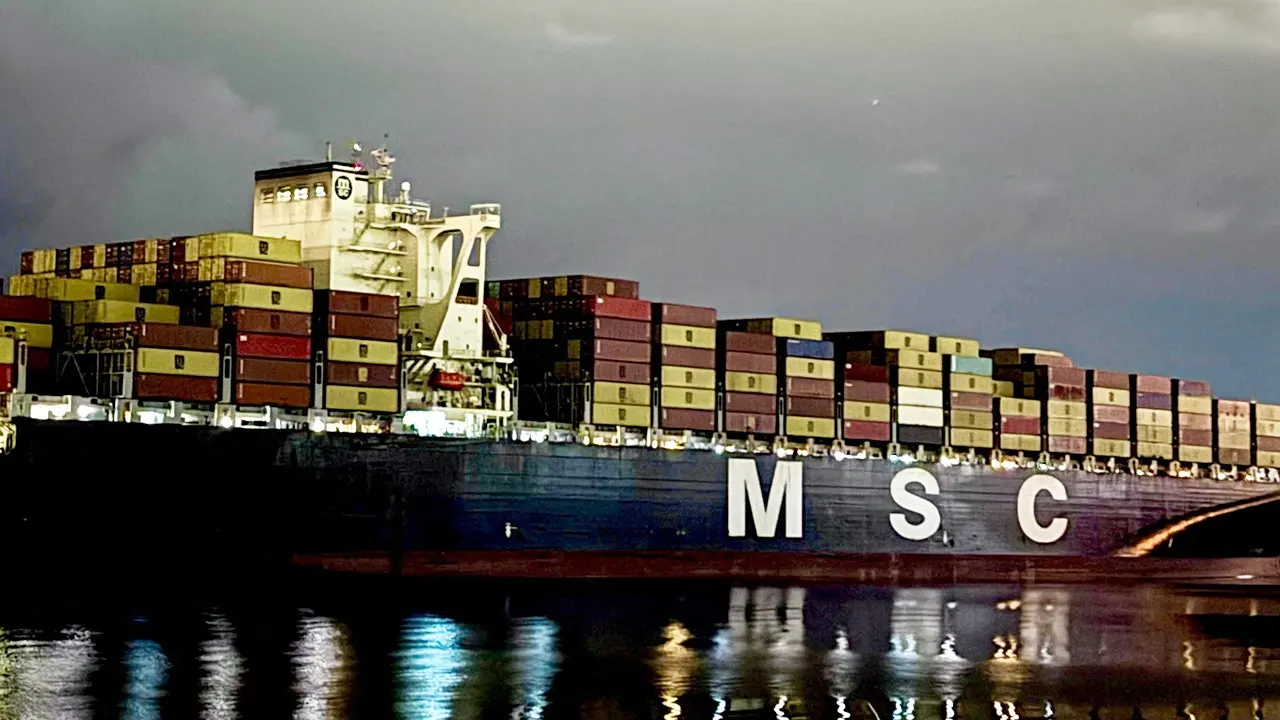
The vessels, identified as the MSC Francesca and the Epaminondas, both managed by Mediterranean Shipping Company (MSC), were seized by Iran’s Revolutionary Guard on Wednesday. The Guard claimed the ships were operating without proper authorization and had tampered with navigation systems, allegations that remain unverified by independent sources.
A relative of a crew member aboard one of the vessels described the dramatic seizure to Reuters: “Some 20 Iranians armed to the teeth stormed the ship. Sailors are under Iranians’ control, their movements on the ship are limited, but the Iranians are treating them well.”
According to sources cited by Reuters, both vessels have a combined crew of approximately 40 sailors. Filip Radulovic, Montenegro’s minister of maritime affairs, provided an update on the situation, stating: “The ship is anchored nine nautical miles from the Iranian coast. Negotiations between MSC and Iran are ongoing, our sailors are fine.”
Prior to their capture, both ships had reported coming under fire near the Strait of Hormuz, highlighting the increasingly dangerous conditions in this vital shipping lane. The Strait of Hormuz serves as a critical passageway for global energy supplies, with approximately 20% of the world’s oil passing through this narrow waterway between Iran and the Arabian Peninsula.
The seizures appear to be retaliatory in nature, coming just days after U.S. forces intercepted an Iranian-flagged cargo ship named Touska in the Gulf of Oman as it approached Iranian waters on Sunday. The Touska remains in U.S. custody while American forces inspect what maritime security sources describe as potential “dual-use” cargo—materials that could serve both civilian and military purposes—following its voyage from Asia.
This tit-for-tat escalation unfolds against the backdrop of increased U.S. military activity in the region. The American military continues to enforce a blockade of Iranian ports, with U.S. Central Command reporting Thursday that it has redirected 33 vessels since the blockade began.
The situation represents a significant escalation in tensions between Iran and Western powers in a region already fraught with geopolitical complexities. Maritime security experts warn that continued hostilities in the Strait of Hormuz could have serious implications for global shipping and energy markets, potentially driving up insurance costs and affecting supply chains worldwide.
The Strait of Hormuz has long been a flashpoint for regional tensions. As the primary maritime route connecting Persian Gulf oil producers with international markets, disruptions to shipping in this narrow waterway can have immediate effects on global oil prices and energy security.
For shipping companies like MSC, one of the world’s largest container shipping lines, such seizures present significant operational and security challenges. These incidents may force shipping companies to reconsider routing options, potentially leading to longer transit times and increased costs for global trade.
Diplomatic efforts to secure the release of the vessels and their crews are likely underway, though neither MSC nor government officials have provided details on these negotiations. The safety of the crew members remains a primary concern as international observers closely monitor the situation.
The Pentagon has previously warned about the potential long-term implications of Iranian actions in the strait, with reports suggesting it could take up to six months to clear Iranian mines from the waterway should the situation further deteriorate.
As the standoff continues, maritime security analysts warn that these incidents risk further destabilizing an already volatile region, with potential repercussions extending far beyond the immediate parties involved.
Fact Checker
Verify the accuracy of this article using The Disinformation Commission analysis and real-time sources.

14 Comments
This incident underscores the strategic importance of the Strait of Hormuz and the need for robust maritime security in the region. Careful diplomacy will be required to prevent further escalation.
It will be important to closely monitor the negotiations between MSC and Iran to ensure a peaceful resolution that respects international law and the safety of the crew.
The Iranian seizure of these container ships in the Strait of Hormuz is a concerning development that could have far-reaching implications. Maintaining open and secure maritime passages is crucial for the global economy.
It will be important to closely monitor the negotiations between the shipping company and Iran to ensure a peaceful resolution that respects international law and the safety of the crew.
This incident in the Strait of Hormuz highlights the ongoing geopolitical tensions in the region. Securing safe passage through this critical maritime chokepoint is essential for global trade and energy supplies.
I’m curious to learn more about the specific allegations made by Iran against these ships. Independent verification of the claims would be important to fully understand the situation.
This event in the Strait of Hormuz is a reminder of the delicate balance of power in the region and the potential for disruptions to global supply chains. Diplomatic efforts to de-escalate the situation will be critical.
I hope the crew members are able to return home safely. The security of maritime navigation in the Strait of Hormuz is essential for global trade and energy security.
The seizure of these container ships by Iranian forces is concerning and could potentially disrupt global supply chains if not resolved quickly. Diplomatic efforts to deescalate the situation will be crucial.
I hope the crew members are treated well and released safely. Maintaining the security and freedom of navigation in the Strait of Hormuz is in everyone’s interest.
This incident highlights the ongoing geopolitical tensions in the Middle East and the importance of maintaining stability and security in the Strait of Hormuz. Diplomatic efforts to de-escalate the situation will be crucial.
I’m curious to learn more about the specific allegations made by Iran against these ships. Independent verification of the claims would help provide a clearer picture of the situation.
The seizure of these ships by Iran is a concerning development that could have broader implications for global trade and energy markets. Maintaining open and secure maritime passages is crucial.
I wonder if this incident is connected to the broader geopolitical tensions in the region or if it is an isolated incident. Clarity on the motivations behind the seizure would be helpful.