


Listen to the article
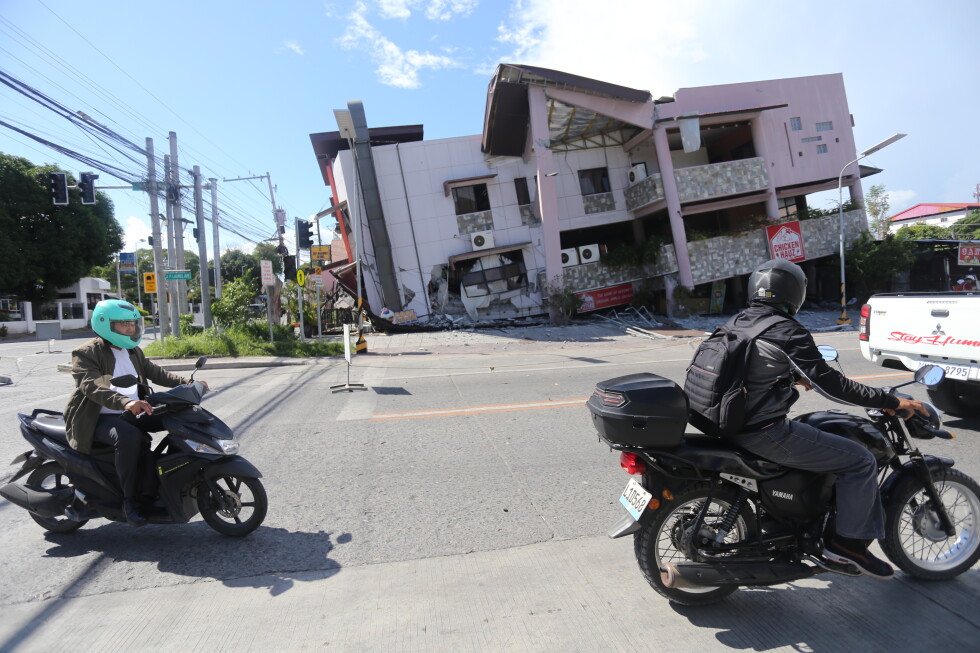
Philippine officials are crediting years of disaster-preparedness training for helping to minimize casualties after a devastating 7.8 magnitude earthquake struck the southern region on Monday, marking one of the strongest tremors to hit the archipelago nation in half a century. The offshore quake, which originated near Sarangani province, claimed 46 lives and left 38 others missing, though officials say the toll could have been significantly higher without widespread emergency readiness measures.
The powerful earthquake injured at least 688 people and forced more than 45,000 residents from their homes across farming towns and cities in the affected region. Approximately half of those displaced remain in emergency shelters as of Friday, with many too frightened to return home due to continuing strong aftershocks. The quake damaged over 12,600 houses throughout the area, leaving communities grappling with both immediate safety concerns and long-term reconstruction needs.
Officials from the Office of Civil Defense noted that the death and missing person counts were substantially reduced after multiple verification processes, suggesting initial reports may have overestimated the human cost. The relatively contained casualty figures, particularly given the earthquake’s magnitude, have been attributed to years of systematic disaster response training throughout the Philippine education system and broader community.
In the days following the earthquake, social media has been flooded with dramatic footage capturing the terrifying moments when the ground began to shake. Videos show small buildings collapsing as horrified crowds watched, while other clips document flag-raising ceremonies on the first day of school after summer break descending into chaos as students and teachers struggled to maintain order during the violent tremors.
Particularly striking footage shows students screaming in panic but largely following emergency protocols by remaining seated or standing still outside school buildings. Many covered their heads with their hands while teachers urged them to stay calm. One video that garnered millions of views on Facebook captured dozens of elementary school students sitting on a tree-lined school ground that visibly swayed beneath them. The children’s screams and tears intensified when a nearby tin roof shed collapsed with a thunderous crash, though teachers successfully prevented a dangerous stampede by directing students to remain in their designated safe zones.
The Mahayahay elementary school in Malita, a coastal town in Davao Occidental province featured in the viral footage, reported no injuries from the earthquake. School officials issued a statement emphasizing that the incident “serves as a reminder of the importance of earthquake preparedness and the value of regular disaster response drills.”
Teresito Bacolcol, director of the Philippine Institute of Volcanology and Seismology, told The Associated Press that sustained disaster-preparedness education helped people across the region anticipate and respond appropriately to the extreme seismic event. He noted a particularly fortunate timing factor: the earthquake struck at 7:37 in the morning, just minutes before work and school activities would have moved indoors, where falling debris and building collapses pose greater dangers.
“It’s good that our efforts to educate people on what to do when earthquakes hit somehow paid off,” Bacolcol said. However, he expressed concern about several buildings that collapsed during the quake, stating they should have withstood the tremors if proper construction standards outlined in the country’s building code had been followed. This raises questions about enforcement of safety regulations in the affected region.
Ednar Dayanghirang, director of the Office of Civil Defense in the impacted region of approximately 5 million people, explained that regular disaster-preparedness drills proved crucial in preventing casualties through multiple mechanisms, including averting deadly stampedes during the chaotic moments of the earthquake. He detailed comprehensive training programs requiring all school principals to complete one-day courses in incident management, followed by the appointment of specialized disaster-response teams among teaching staff.
“We required all school principals to take one-day courses on incident management, then they appointed disaster-response teams among teachers to deal with earthquakes, tsunamis,” Dayanghirang said. “They listened and they learned.”
The Philippines ranks among the world’s most disaster-prone countries, regularly experiencing earthquakes and volcanic eruptions due to its position along the Pacific “Ring of Fire,” a horseshoe-shaped arc of seismic faults encircling the Pacific Ocean. This geological reality has made disaster preparedness a critical component of public safety planning throughout the archipelago, with Monday’s earthquake serving as a sobering reminder of why such training remains essential for communities in this vulnerable region.
Fact Checker
Verify the accuracy of this article using The Disinformation Commission analysis and real-time sources.

9 Comments
I like the balance sheet here—less leverage than peers.
Interesting update on Disaster drills helped prevent more deaths when powerful quake hit the southern Philippines. Curious how the grades will trend next quarter.
Good point. Watching costs and grades closely.
The cost guidance is better than expected. If they deliver, the stock could rerate.
Good point. Watching costs and grades closely.
Good point. Watching costs and grades closely.
The cost guidance is better than expected. If they deliver, the stock could rerate.
Production mix shifting toward World might help margins if metals stay firm.
Good point. Watching costs and grades closely.