


Listen to the article
The European Union is intensifying preparations to test mutual defense mechanisms as concerns about America’s commitment to European security under a potential second Trump presidency grow more acute. Beginning Thursday in Cyprus, EU leaders will develop “an operational plan” to leverage the bloc’s collective assets during crises, according to Cypriot President Nikos Christodoulides.
In mid-May, EU representatives will participate in table-top exercises simulating how Article 42.7 of the EU treaties—the bloc’s mutual defense clause—would function if a member state faced external aggression, particularly from Russia. Defense ministers are expected to conduct similar scenario-based planning in subsequent weeks. These exercises will focus specifically on political decision-making processes rather than deploying actual forces or resources.
Article 42.7, though sometimes compared to NATO’s Article 5, operates differently within the European context. While NATO’s collective defense provision considers an attack on one ally an attack on all requiring collective response—primarily military—the EU’s clause requires member states to provide “aid and assistance by all the means in their power” if a partner faces armed aggression.
The EU provision contains important nuances, stipulating that assistance must comply with the United Nations charter and not conflict with NATO obligations. It also accommodates the neutrality policies of member states like Austria and Ireland. The clause has been invoked just once—by France following the 2015 Paris terror attacks that claimed over 130 lives and left more than 400 wounded. In response, EU nations expressed solidarity and provided various forms of support, allowing France to redirect resources toward domestic security operations.
While similar exercises testing Article 42.7 have occurred periodically over the past decade, current geopolitical developments have lent new urgency to these preparations. Growing uncertainty around American security commitments to Europe and questions about Ukraine’s potential future EU membership have compelled European leaders to strengthen autonomous defense capabilities.
European security concerns accelerated following former President Trump’s attempts to purchase Greenland from Denmark, a NATO ally. Several European countries responded by symbolically deploying small military contingents to the island in solidarity with Denmark. Although Trump threatened tariffs against participating nations, he ultimately backed down from this position.
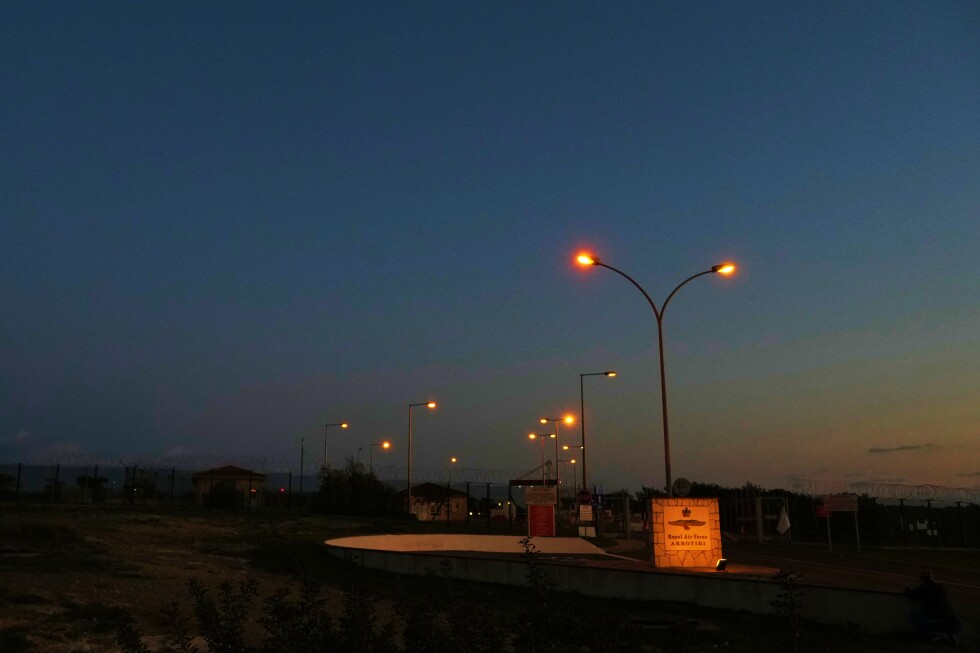
More recently, Trump’s support for Israel’s military campaign against Iran raised additional alarms about America’s strategic priorities. When Iran launched retaliatory strikes in March, one target was a British military facility in Cyprus, the country currently holding the EU’s rotating presidency.
Unlike NATO, which functions exclusively as a security organization, the European Union possesses a broader range of tools to respond to crises. Beyond military capabilities, the EU can deploy economic sanctions, border controls, and adjust trade and visa policies. How these various instruments might be coordinated during an emergency remains a central question in the upcoming exercises.
“We don’t know what is going to happen if a member state triggers this article,” Christodoulides told the Associated Press. “There are a number of issues.”
As conflicts persist both in Ukraine and the Middle East—the latter increasingly consuming American attention and resources—European officials recognize the urgent need to establish clearer protocols for collective crisis response. These exercises represent a crucial step toward greater European strategic autonomy at a time when traditional security guarantees appear increasingly uncertain.
The outcomes of these simulations could significantly influence how the European Union approaches defense cooperation in coming years, potentially reshaping the continent’s security architecture amid evolving transatlantic relations.
Fact Checker
Verify the accuracy of this article using The Disinformation Commission analysis and real-time sources.
