


Listen to the article
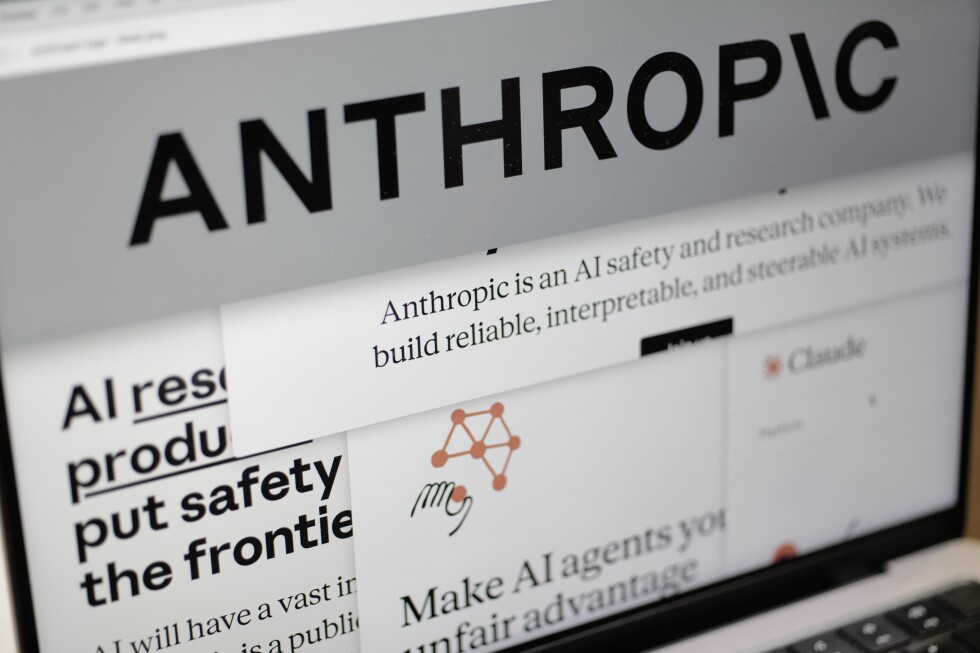
Anthropic’s legal battle with the Pentagon intensified Wednesday as the AI company filed new arguments in a high-stakes case centering on military applications of artificial intelligence. In a 96-page submission to the U.S. Court of Appeals in Washington D.C., the company asserted it cannot manipulate its AI tool Claude once deployed in classified Pentagon military networks.
The San Francisco-based AI developer is challenging the Trump administration’s designation of the company as a supply chain risk, which Anthropic claims is illegal retaliation stemming from a contract dispute over autonomous weapons systems and potential surveillance capabilities.
“This designation was designed to protect against sabotage of national security systems by foreign adversaries, not to penalize American companies engaged in legitimate contractual disagreements,” a source familiar with the case explained.
The court filing offers a window into Anthropic’s legal strategy following a lawsuit initiated last month. The dispute erupted after the Pentagon canceled a $200 million contract with the company, which was later awarded to rival OpenAI.
Earlier this month, the appeals court declined Anthropic’s request for an injunction that would have halted the Pentagon’s actions while the case proceeds. The company’s latest filing directly addresses questions raised by the court ahead of oral arguments scheduled for May 19, with the Trump administration expected to respond before that hearing.
The Washington case represents just one front in a broader legal battle. Anthropic previously secured a favorable ruling in San Francisco federal court on similar issues, which reportedly prompted the administration to remove the stigmatizing labels from the company, according to court documents.
However, the unresolved Washington case continues to cast uncertainty over Anthropic’s operations and reputation. The company has emerged as a leading player in the rapidly evolving AI sector alongside OpenAI, with both firms developing increasingly sophisticated language models that have attracted significant investment and attention.
Industry analysts note that the case highlights growing tensions between technology companies and government agencies over the military applications of AI. The Pentagon’s interest in deploying these powerful tools within classified networks raises complex questions about control, oversight, and the boundaries of AI deployment in national security contexts.
“This case could establish important precedents for how AI companies interact with defense contracts moving forward,” said Amanda Rodriguez, a technology policy expert at Georgetown University. “The question of who maintains ultimate control over AI systems once they’re integrated into military infrastructure is central to this dispute.”
The legal fight comes amid increasing scrutiny of AI companies and their relationships with government entities. Policymakers worldwide have expressed concerns about the rapid advancement of AI capabilities and the potential implications for privacy, security, and autonomous decision-making in sensitive contexts.
For Anthropic, the stakes extend beyond the immediate financial impact of the canceled contract. The company’s reputation as a responsible AI developer could be affected by the Pentagon’s characterization, potentially influencing future business opportunities both within government circles and in the private sector.
The case also reflects broader debates about AI governance and the ethical frameworks guiding deployment of these technologies in high-stakes environments. Anthropic has positioned itself as developing AI with careful attention to safety and ethical considerations, making the Pentagon’s supply chain risk designation particularly damaging to its corporate identity.
As both sides prepare for the May 19 oral arguments, the AI industry is watching closely for signals about how government agencies might approach contracting with AI providers in the future, and what level of control companies can maintain over their technologies once deployed in classified government systems.
Fact Checker
Verify the accuracy of this article using The Disinformation Commission analysis and real-time sources.

11 Comments
The Pentagon’s claims about controlling AI technology seem overly broad. While national security is paramount, Anthropic’s arguments about the limitations of its AI system appear reasonable. This case highlights the need for clear guidelines and transparency around military AI procurement.
I agree. Striking the right balance between military needs and commercial freedoms will be an ongoing challenge as AI becomes more pervasive. Careful policy-making and open dialogue between stakeholders will be essential.
This is a fascinating legal battle with high stakes for both Anthropic and the Pentagon. The company’s arguments about the inability to manipulate its AI system once deployed seem reasonable, but the government’s national security concerns are also valid. It will be important to see how the courts balance these competing interests.
The rivalry between Anthropic and OpenAI in the military AI space is an interesting dynamic. While the Pentagon’s desire for control is understandable, Anthropic’s claims about the limitations of its technology also merit consideration. This case highlights the need for clear, well-defined policies governing the use of AI in national security.
The dispute between Anthropic and the Pentagon over military AI is a complex issue with no easy answers. While the company’s claims about the autonomy of its technology appear credible, the government’s responsibility to protect national security also carries weight. Achieving the right balance will require nuance and compromise from all sides.
This dispute highlights the complexities involved as AI becomes more deeply integrated into military systems. Both Anthropic’s and the Pentagon’s concerns seem reasonable, though the legal designation of the company as a supply chain risk is concerning. Hopefully, a balanced solution can be found through the judicial process.
Agreed. The stakes are high, and it will be important for the court to carefully weigh the arguments on both sides. The outcome could have far-reaching implications for the future of military AI and the role of private companies in this space.
This is a complex issue with valid concerns on both sides. It’s important to find the right balance between national security and the autonomy of AI companies like Anthropic. I’m curious to see how the legal battle unfolds and what implications it might have for the future of military AI systems.
You raise a good point. Maintaining control and visibility over military AI is crucial, but unduly restricting legitimate commercial activities could hamper innovation. A collaborative approach may be needed to address these challenges.
It’s concerning to see the government designating a US company as a supply chain risk, especially one engaged in legitimate contractual disputes. Anthropic’s legal pushback is understandable, though the Pentagon’s perspective on maintaining control over military AI also has merit. This case bears close watching.
You make a fair point. The government’s actions seem heavy-handed, but the national security implications of military AI are significant. A nuanced approach that protects both commercial interests and strategic priorities is needed.