


Listen to the article
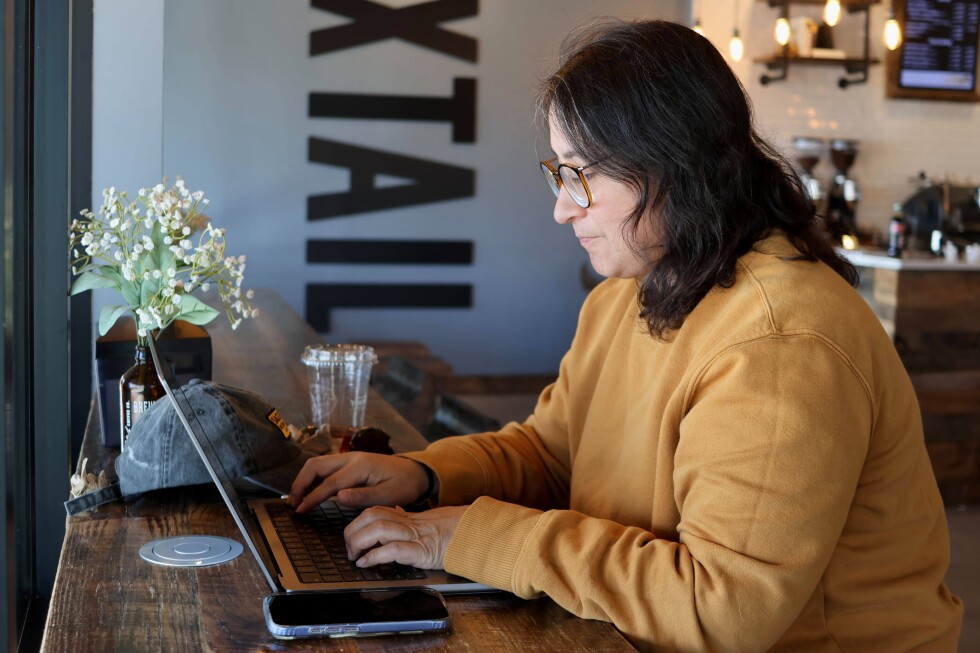
Digital nomads and remote workers who set up their laptops in public spaces face significant privacy and security challenges that many overlook, cybersecurity experts warn.
The rise of remote work, accelerated by the COVID-19 pandemic and enabled by widespread high-speed internet, has transformed cafes, hotel lobbies, airport lounges, and co-working spaces into makeshift offices. While offering flexibility, these environments pose risks that require vigilance to protect sensitive information.
Many companies now provide specific guidelines for employees working remotely. The British government, for example, explicitly cautions staff working with classified information about the risks of public spaces, noting they are “more freely accessible to people without the appropriate clearance and need-to-know.”
Some organizations prohibit employees from working in crowded public venues like coffee shops altogether due to data privacy concerns. Others maintain restrictions on working from certain countries, highlighting the importance of reviewing employer policies before settling in at the local café with your laptop.
Visual privacy remains a primary concern for remote workers. Cybersecurity professionals recommend finding secluded seating with your back to a wall to prevent “shoulder surfing” – when others can view your screen, either intentionally or accidentally. For additional protection, privacy filters that limit screen visibility from side angles can be invaluable tools for those handling sensitive information.
Perhaps the greatest risk comes from public Wi-Fi networks, which cybersecurity experts, including the National Security Agency (NSA), strongly advise against using. Networks without password protection leave data vulnerable to theft or manipulation, but even password-protected public Wi-Fi doesn’t guarantee security.
“A malicious actor can set up a fake access point, also known as an evil twin, to mimic the nearby expected public Wi-Fi, resulting in that actor having access to all data sent over the network,” the NSA warns in its cybersecurity guidance.
Instead, remote workers should use mobile hotspots through their smartphones, creating more secure mini-networks through cellular connections. For enhanced security, a virtual private network (VPN) encrypts data traffic through private tunnels to secure servers, making information unreadable to potential interceptors. While many companies provide VPN solutions for employees, individual subscriptions are widely available for independent workers.
Beyond digital precautions, physical security cannot be overlooked. Laptops and other devices left unattended become targets for theft, making it essential to keep equipment secure at all times. The British government’s security guidance reminds workers to “be aware of whether you can be overheard by any unauthorized individuals, such as members of the public, or smart listening devices” when handling sensitive information.
Audio privacy presents another challenge. Remote workers engaged in video calls or phone conversations about confidential matters should be mindful of their surroundings. Raising your voice to be heard on a call while in a busy public space can inadvertently broadcast sensitive information to everyone nearby.
As remote work continues to evolve as a standard practice across industries, the responsibility for information security increasingly falls on individual workers. Understanding these risks and implementing appropriate safeguards allows digital nomads and remote employees to maintain productivity while protecting their own and their employers’ data from compromise.
Companies looking to support remote workers effectively should consider providing comprehensive security training along with the necessary tools, such as VPNs and privacy screens, to ensure employees can work confidently and securely from any location.
Fact Checker
Verify the accuracy of this article using The Disinformation Commission analysis and real-time sources.

8 Comments
This is a good reminder that remote work comes with increased security risks. Employees need to be vigilant about protecting sensitive data when working from public spaces. Strong privacy and security practices are essential, even in casual settings.
Absolutely. Companies should provide clear guidance on secure remote work policies to keep their data and systems safe.
This article highlights some important risks that remote workers need to be aware of. While the flexibility of public spaces is appealing, the potential exposure of sensitive information is a serious concern that shouldn’t be taken lightly.
As the remote work trend continues, these privacy and security considerations will only become more crucial. Keeping up with the latest best practices and company policies is key for digital nomads and remote employees.
Agreed. Staying vigilant and proactive about data protection is essential for remote workers, no matter the location.
Interesting article on the security implications of remote work in public settings. The visibility of screens and potential for shoulder surfing are real concerns that shouldn’t be overlooked. Proper training and tech solutions are important to address these issues.
I can see both the benefits and challenges of remote work in public spaces. The flexibility is appealing, but the privacy and security concerns are valid. It’s critical that workers and employers collaborate to mitigate those risks effectively.
Well said. A balanced approach is needed to enable the advantages of remote work while properly safeguarding sensitive information.