


Listen to the article
Amazon’s Zoox Launches Free Robotaxi Service in San Francisco, Challenging Waymo
Amazon’s self-driving vehicle subsidiary Zoox has begun offering free robotaxi rides in select San Francisco neighborhoods, marking a significant step in its effort to compete with industry leader Waymo. The expansion, announced Tuesday, is currently limited to passengers who previously registered on a waiting list.
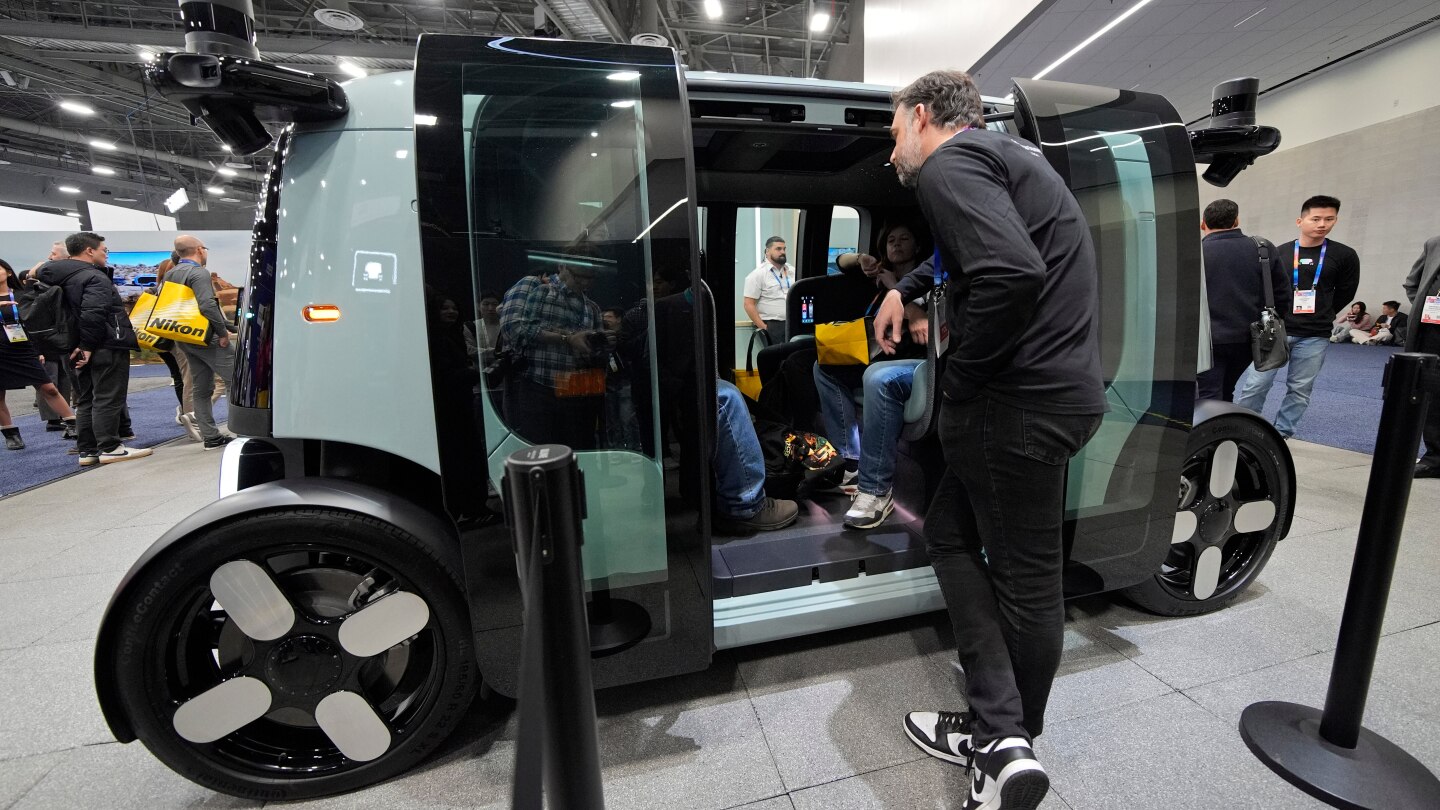
The San Francisco launch comes less than three months after Zoox introduced its first ride-hailing service along the Las Vegas Strip. Unlike Waymo, which has been charging passengers since its Phoenix debut five years ago, Zoox has yet to implement fares for its distinctive gondola-shaped vehicles that operate without steering wheels.
The free service represents a crucial milestone in Zoox’s development as it prepares to eventually charge fares similar to Waymo and traditional ride-hailing platforms like Uber and Lyft. Amazon entered the autonomous driving sector in 2020 with its $1.2 billion acquisition of Zoox, signaling the e-commerce giant’s serious intentions in this emerging transportation market.
Before Zoox can begin monetizing its San Francisco operations, the company must secure approval from California regulators. Waymo received similar clearance in August 2023 after addressing safety concerns raised by city officials. Since then, Waymo’s robotaxis have become increasingly common throughout San Francisco, with some tourists now considering rides in self-driving vehicles as essential to their city experience as trips on the city’s historic 152-year-old cable cars.
Waymo, which originated as a secret Google project in 2009, has established a significant lead in the autonomous ride-hailing market. The company currently operates in San Francisco, San Jose, Los Angeles, Atlanta, and Austin, with plans to expand to numerous other U.S. cities next year.
In a demonstration of its technological advancement and growing confidence, Waymo recently extended its service routes beyond urban streets onto highways in San Francisco, Los Angeles, and Phoenix. The company also announced on Tuesday its intention to launch in five additional U.S. markets: Miami, Dallas, San Antonio, Houston, and Orlando, though passenger service in these cities won’t begin until 2024.
Amazon is similarly positioning Zoox for nationwide expansion, with Austin and Miami among its target markets. To support these ambitious growth plans, Amazon converted a former bus factory in Hayward, California—approximately 25 miles southeast of San Francisco—into a specialized robotaxi manufacturing facility. The plant represents a substantial investment in Zoox’s future, with a projected annual production capacity of up to 10,000 vehicles.
The robotaxi sector has seen accelerating development and investment in recent years as technology companies and traditional automakers race to capture market share in what many analysts predict will become a transformative transportation industry. The competition between Waymo and Zoox highlights the significant financial and technological resources being directed toward autonomous vehicle development.
For San Francisco residents, the expansion of robotaxi services represents both an opportunity to experience cutting-edge transportation technology and a continued evolution of the city’s mobility landscape. The region has become a critical testing ground for autonomous vehicle companies due to its challenging urban environment, diverse weather conditions, and tech-savvy population.
As Zoox works to secure regulatory approval for paid services and expand its operational footprint, the company’s progress will be closely watched by industry observers, investors, and potential competitors looking to enter the autonomous ride-hailing market.
Fact Checker
Verify the accuracy of this article using The Disinformation Commission analysis and real-time sources.

5 Comments
Autonomous vehicle technology is advancing rapidly, and Zoox’s free service in San Francisco could accelerate its adoption. However, regulatory hurdles and public acceptance remain significant challenges. It will be important to monitor Zoox’s progress and any incidents that could impact public trust.
The lack of steering wheels in Zoox’s vehicles is an intriguing design choice. I wonder how passengers will feel about the lack of manual controls and whether it will impact their willingness to use the service. Safety will be crucial as Zoox expands beyond Las Vegas.
Amazon’s acquisition of Zoox demonstrates their commitment to the self-driving car market. Offering free rides is a smart move to attract early users and gather valuable data to improve their technology. I’m curious to see if Zoox can maintain its advantage over rivals as the market matures.
The free rides are a smart strategy to gain market share, but Zoox will need to find a sustainable business model to compete long-term. As they prepare to charge fares, they’ll need to balance affordability with profitability. I’m curious to see how they differentiate their service from traditional ride-hailing.
This is an exciting development for the autonomous vehicle industry. Zoox’s free robotaxi service in San Francisco could be a game-changer, challenging leaders like Waymo. It will be interesting to see how they compete on fares and services once they start monetizing.