


Listen to the article
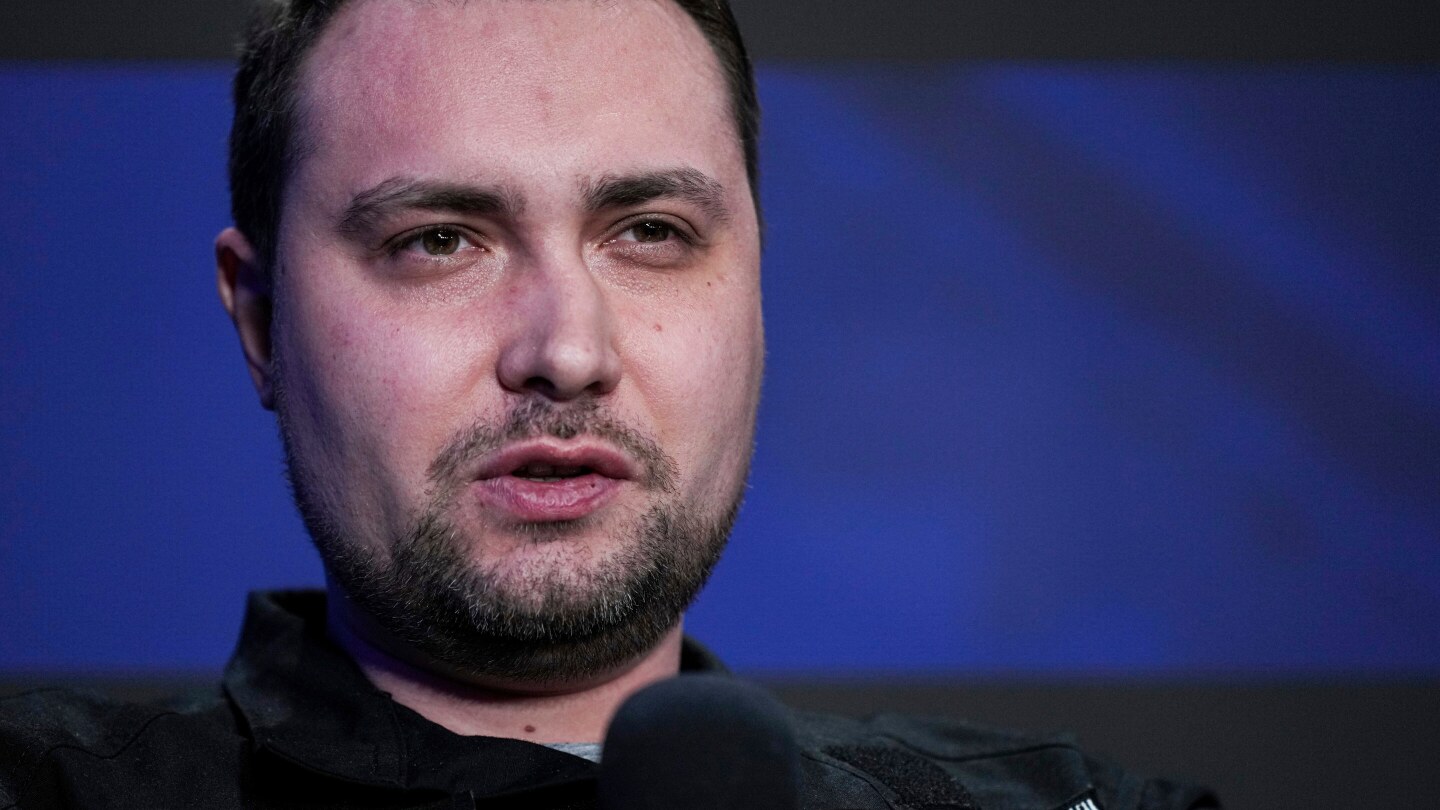
President Volodymyr Zelenskyy appointed Gen. Kyrylo Budanov, head of Ukraine’s military intelligence, as his new chief of staff on Friday, signaling a strategic pivot toward security matters amid ongoing U.S.-led peace negotiations with Russia.
The appointment comes after Zelenskyy dismissed his previous chief of staff, Andrii Yermak, following the launch of an anti-corruption investigation into alleged graft in Ukraine’s energy sector.
In announcing the leadership change, Zelenskyy emphasized Ukraine’s need to prioritize security issues, defense force development, and peace negotiations – all areas overseen by the presidential office. “Kyrylo has specialized experience in these areas and sufficient strength to achieve results,” Zelenskyy said.
Budanov, 39, has been one of Ukraine’s most recognizable wartime figures since the full-scale Russian invasion began in February 2022. He has led the country’s military intelligence agency, known as GUR, since 2020 and built a reputation for strategic intelligence operations and psychological warfare against Moscow.
“This position is both an honor and a responsibility — at a historic time for Ukraine — to focus on the critically important issues of the state’s strategic security,” Budanov wrote on Telegram following his appointment.
His career in military intelligence accelerated after Russia’s illegal annexation of Crimea in 2014. Before taking leadership of GUR, Budanov participated in special operations and intelligence missions against Moscow-backed separatist forces in eastern Ukraine, reportedly sustaining wounds during one such operation.
Under Budanov’s leadership, Ukraine’s military intelligence expanded its operational scope, coordinating intelligence gathering, sabotage, and special operations targeting Russian military assets far beyond front lines. Ukrainian officials credit GUR with operations against Russian command structures, logistics hubs, energy infrastructure, and naval assets deep inside Russian territory and occupied areas.
The appointment represents an unusual transition, placing a serving intelligence chief at the center of Ukraine’s political and diplomatic coordination at a critical moment in the conflict.
Meanwhile, tensions remain high on the battlefield. Russian authorities reported Friday that the death toll from what they described as a Ukrainian drone strike on a cafe and hotel in Russian-occupied Khorly in Ukraine’s Kherson region has risen to 27. According to Svetlana Petrenko, spokeswoman for Russia’s Investigative Committee, the victims included two minors, with 31 others hospitalized.
Ukrainian officials strongly denied attacking civilian targets. Dmytro Lykhovii, a spokesman for Ukraine’s General Staff, told Ukraine’s public broadcaster that Ukrainian forces “adhere to the norms of international humanitarian law” and “carry out strikes exclusively against Russian military targets.” He suggested Russia has repeatedly used disinformation to disrupt ongoing peace negotiations.
The peace process itself faced a setback earlier this week when Moscow announced it would toughen its negotiating position following what it claimed was a Ukrainian long-range drone attack against one of President Vladimir Putin’s residences in northwestern Russia. Kyiv denied the accusation, calling it a ploy to derail negotiations.
Despite these challenges, U.S. President Donald Trump’s special envoy Steve Witkoff reported Wednesday that he, Secretary of State Marco Rubio, and adviser Jared Kushner had a “productive call” with national security advisers from Britain, France, Germany, and Ukraine regarding “advancing the next steps in the European peace process.”
In his New Year’s address, Zelenskyy claimed a peace deal was “90% ready” but warned that the remaining 10% — believed to include territorial disputes — would “determine the fate of peace, the fate of Ukraine and Europe, how people will live.”
Overnight attacks continued across Ukraine, with Russia striking a residential area in Kharkiv with two missiles on Friday, injuring at least 15 people according to regional officials. Earlier that day, Russian forces conducted what local authorities called “one of the most massive” drone attacks on Zaporizhzhia, damaging dozens of residential buildings but causing no casualties.
Ukraine’s air force reported that Russia fired 116 long-range drones overnight, with Ukrainian defenses intercepting 86 while 27 struck their targets. Russian officials claimed their air defenses intercepted 64 Ukrainian drones across multiple regions during the same period.
The ongoing violence underscores the fragility of the diplomatic process as both sides continue military operations while negotiators attempt to find a path toward ending the nearly four-year-old conflict.
Fact Checker
Verify the accuracy of this article using The Disinformation Commission analysis and real-time sources.

13 Comments
The appointment of Budanov, known for his unconventional tactics against Russia, suggests Zelenskyy is seeking a more aggressive and proactive approach to the conflict. This could have significant implications for the direction of the war.
This move by Zelenskyy underscores the importance of security and intelligence in Ukraine’s ongoing conflict with Russia. Budanov’s appointment could signal a more proactive and assertive approach from Kyiv.
Budanov’s track record in military intelligence and psychological warfare against Russia could be a valuable asset for Ukraine at the negotiating table. This appointment signals Zelenskyy’s intent to take a more assertive stance.
The energy sector corruption investigation that preceded this leadership change is also noteworthy. Zelenskyy appears committed to addressing internal issues while shoring up Ukraine’s security and defense capabilities.
It will be crucial for Budanov to maintain a balance between military strategy and diplomatic negotiations in this new role.
The dismissal of the previous chief of staff and appointment of Budanov suggests Zelenskyy is doubling down on Ukraine’s military capabilities and preparedness. This could indicate a shift in Ukraine’s approach to the negotiations with Russia.
It will be interesting to see how Budanov’s leadership impacts Ukraine’s military operations and diplomacy going forward.
Zelenskyy’s decision to appoint Budanov, a seasoned military intelligence chief, as his new chief of staff is a clear indication of the critical nature of the security challenges Ukraine faces. This could be a pivotal moment in the war.
It will be interesting to see how Budanov’s expertise and leadership influence Ukraine’s strategy and negotiations in the coming months.
Zelenskyy’s decision to bring in a military intelligence chief as his new chief of staff underscores the centrality of security and defense in Ukraine’s priorities at this stage of the war. This could signal a shift in Ukraine’s approach to negotiations with Russia.
It will be crucial for Budanov to balance military strategy and diplomatic efforts as he takes on this new role.
This is a significant appointment, signaling Ukraine’s priority on security and defense in the ongoing conflict. Budanov’s intelligence expertise could be invaluable for Ukraine’s strategy and negotiations with Russia.
Agreed. Zelenskyy is entrusting a key security role to a proven military leader during this critical time.