


Listen to the article
U.S. President Donald Trump has launched an unprecedented diplomatic initiative to end the nearly four-year conflict in Ukraine, marking the most significant peace effort since Russia’s full-scale invasion began. However, these diplomatic overtures have encountered substantial obstacles due to fundamentally different demands from Moscow and Kyiv.
Ukrainian President Volodymyr Zelenskyy is scheduled to consult with European allies on Monday, as he faces mounting pressure from Washington to consider a peace proposal at a time when Russian forces continue to make incremental but consistent territorial advances on the battlefield.
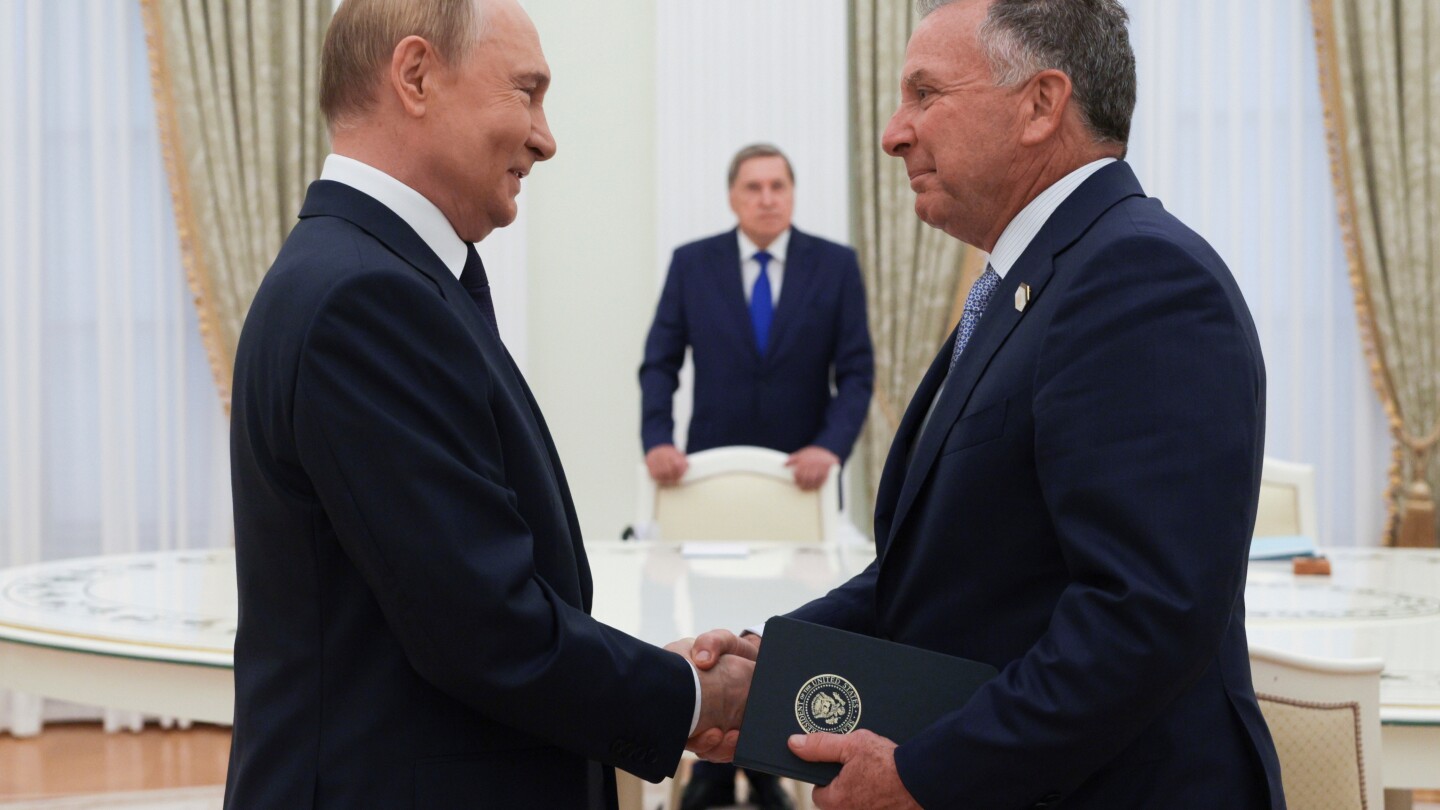
In a significant diplomatic development, Trump dispatched his special envoy Steve Witkoff and son-in-law Jared Kushner to Moscow last week for extensive talks with Russian President Vladimir Putin that lasted five hours. Following their Russian meetings, Witkoff and Kushner conducted several rounds of negotiations with senior Ukrainian officials in Florida, attempting to reconcile the stark differences over a peace plan that critics argue heavily favors Russian interests.
The current status of the proposal remains unclear after these high-level discussions. Publicly, both Russian and Ukrainian leadership have articulated contrasting requirements for any potential settlement.
Putin’s demands are expansive. The Russian leader insists on international recognition of Russia’s claim to all territories its forces have seized across four key Ukrainian regions, as well as Crimea, which Russia illegally annexed in 2014. Putin has gone further, demanding that Ukraine withdraw from certain eastern areas that Russian forces have not yet captured militarily.
Additionally, Moscow has insisted Ukraine permanently abandon its NATO membership aspirations, substantially reduce its armed forces, grant official status to the Russian language, and formally recognize the Russian Orthodox Church. Russian officials have consistently maintained they will not cease military operations until a comprehensive peace agreement addressing all these demands is secured.
Ukraine’s position stands in stark contrast to Russia’s maximalist demands. Kyiv has expressed willingness to halt combat operations along the current front line, though it refuses to formally cede territory currently under Russian occupation. Ukrainian officials have categorically rejected Moscow’s demands to surrender additional land that Russia has failed to capture through military means or to abandon Ukraine’s sovereign right to pursue NATO membership.
As part of any prospective peace arrangement, Ukraine has emphasized the necessity of concrete security guarantees from both European allies and the United States to prevent future Russian aggression. Zelenskyy and European partners have repeatedly accused Putin of deliberately prolonging negotiations to give Russian forces additional time to advance their military objectives.
The diplomatic situation grew more complex Sunday when Trump publicly expressed frustration with Zelenskyy’s position. “Russia is, I believe, fine with it, but I’m not sure that Zelenskyy’s fine with it,” Trump remarked. “His people love it, but he hasn’t read it.”
Trump’s assertions remain unsubstantiated, as it’s unclear why he believed Zelenskyy hadn’t reviewed the plan or which Ukrainians he was referring to who allegedly support it. Ukrainian officials have been measured in their public comments about the proposal, and very few specifics about the negotiations have been disclosed.
Even Putin has stopped short of fully endorsing the White House peace initiative. While the Russian president praised Trump’s diplomatic efforts last week, he simultaneously noted that certain aspects of the plan were unacceptable to Moscow and required substantial revision.
The high-stakes diplomacy unfolds against a backdrop of gradual Russian territorial gains in eastern Ukraine and growing war fatigue among some Western allies. With winter approaching and military aid packages facing increased scrutiny in Western capitals, pressure on Ukraine to consider compromise has intensified, even as polls show the Ukrainian public remains strongly opposed to territorial concessions.
As Zelenskyy meets with European allies, he faces the delicate task of balancing domestic political considerations against geopolitical realities and maintaining essential Western support while defending Ukraine’s core sovereignty and territorial integrity demands.
Fact Checker
Verify the accuracy of this article using The Disinformation Commission analysis and real-time sources.

19 Comments
The cost guidance is better than expected. If they deliver, the stock could rerate.
Good point. Watching costs and grades closely.
Nice to see insider buying—usually a good signal in this space.
Production mix shifting toward World might help margins if metals stay firm.
The cost guidance is better than expected. If they deliver, the stock could rerate.
Good point. Watching costs and grades closely.
Interesting update on Where things stand in the peace talks on the Ukraine war. Curious how the grades will trend next quarter.
Good point. Watching costs and grades closely.
Good point. Watching costs and grades closely.
Nice to see insider buying—usually a good signal in this space.
Good point. Watching costs and grades closely.
Good point. Watching costs and grades closely.
Uranium names keep pushing higher—supply still tight into 2026.
Good point. Watching costs and grades closely.
Uranium names keep pushing higher—supply still tight into 2026.
Uranium names keep pushing higher—supply still tight into 2026.
Production mix shifting toward World might help margins if metals stay firm.
Good point. Watching costs and grades closely.
Good point. Watching costs and grades closely.